



The Poha You Probably Know
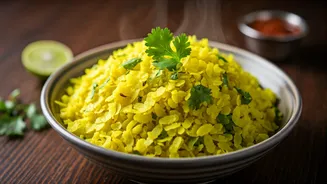
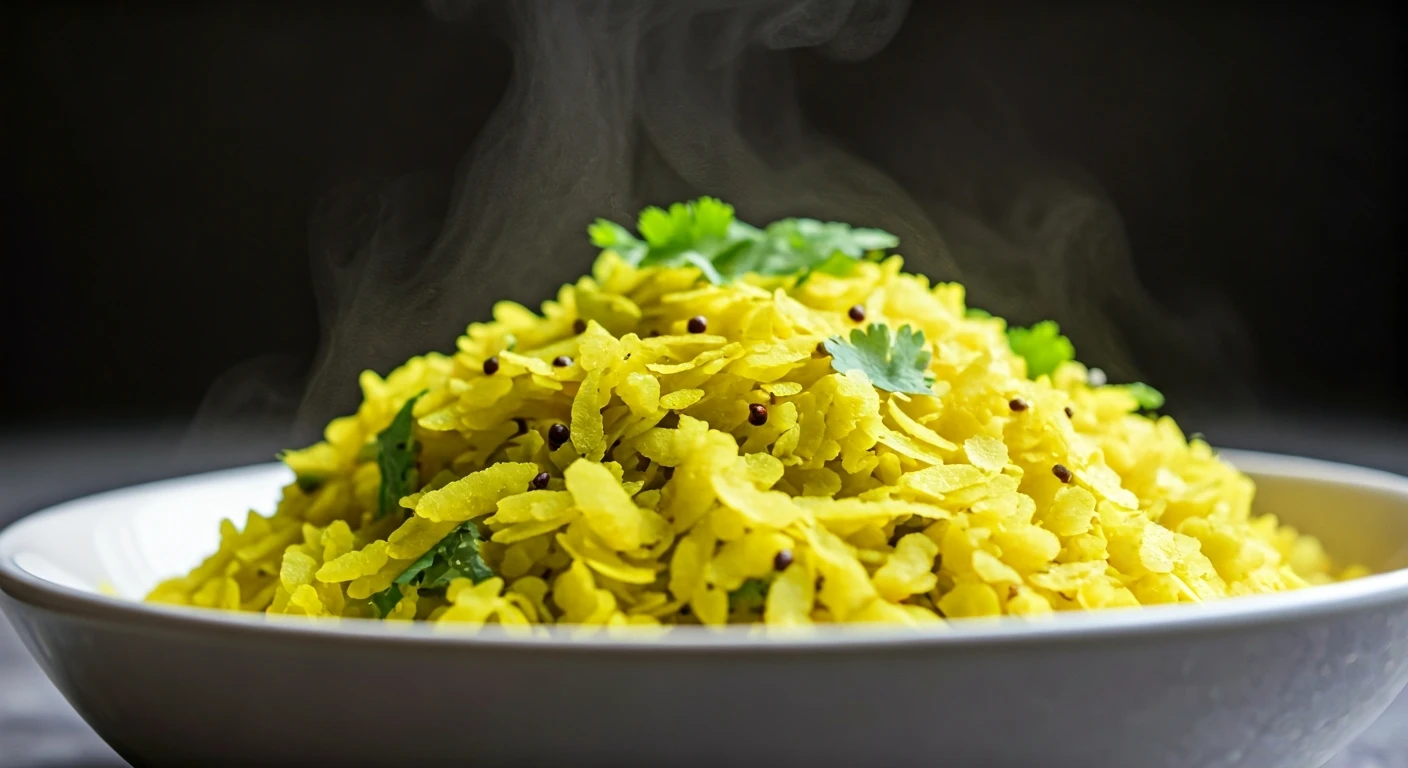
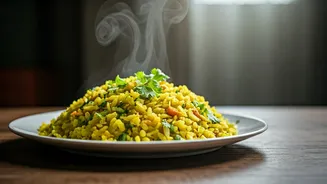
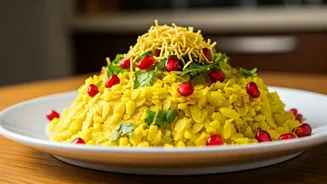
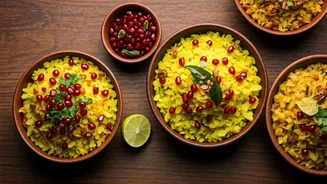
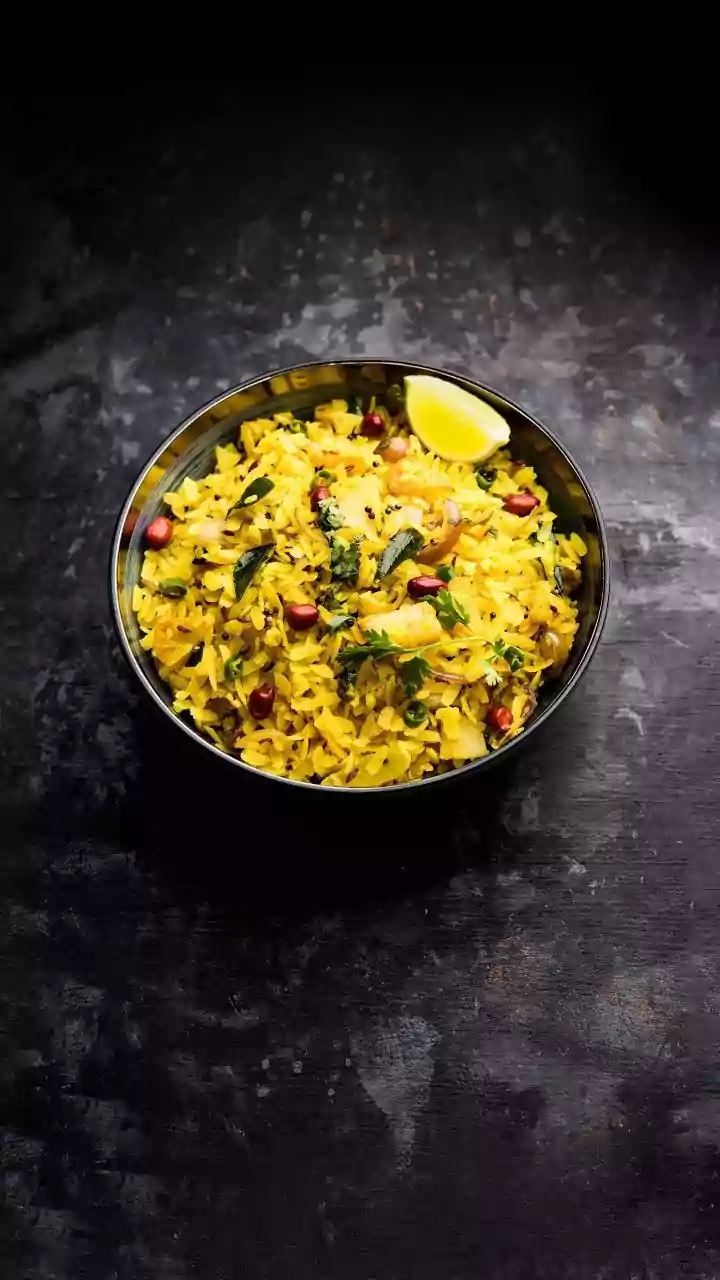
For many Americans familiar with Indian cuisine, “poha” means one thing: the iconic Maharashtrian breakfast dish, Kanda Poha. It’s a warm, savory, and wonderfully fluffy preparation. Flattened rice flakes are briefly soaked and then sautéed with onions
(kanda), potatoes, mustard seeds, turmeric, and curry leaves. Often finished with a squeeze of lime, fresh cilantro, and crunchy peanuts or sev, it’s a hearty, flavorful dish that has rightfully become a brunch staple in Indian cafes across the U.S. It’s a masterclass in turning a simple pantry ingredient into a complex and satisfying meal. This is the delicious, familiar benchmark against which we can explore the wider world of flattened rice.
An Introduction to Chirer Pulao
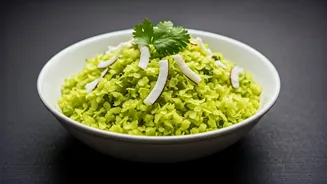
Now, travel east to the state of West Bengal, and the word for flattened rice, “chire,” leads you to something entirely different: Chirer Pulao. While the name contains “pulao,” which usually implies a cooked rice dish, the most beloved version of this Bengali specialty is often a no-cook affair. It’s a testament to quick, efficient, and delicious food preparation, especially suited for warm, humid climates. At its heart, Chirer Pulao is about rehydrating the flattened rice and mixing it with fresh, cooling ingredients. It’s less of a cooked “meal” and more of an assembled snack or light breakfast, prized for its simplicity and refreshing qualities. Think of it as a savory-sweet rice salad rather than a stir-fry.
The Flavor and Texture Twist
The key difference lies in both preparation and flavor profile. Where Kanda Poha is cooked and built on a foundation of sautéed aromatics, Chirer Pulao is all about the mix. The flattened rice is typically rinsed and soaked briefly in water or sometimes even milk or yogurt until it’s soft but not mushy. The flavor profile also takes a sharp turn. Instead of the savory, turmeric-forward notes of its western counterpart, Chirer Pulao leans into a delightful sweet-and-tangy combination. The key players are often plain yogurt (dahi or doi), which lends a creamy tang, freshly grated coconut for texture and sweetness, and a sprinkle of sugar or a drizzle of date palm jaggery for that characteristic Bengali sweet touch. A pinch of salt balances it all out. It’s a cooling, calming dish, worlds away from the peppery, mustard-seed-popping energy of Kanda Poha.
A Dish for Every Occasion
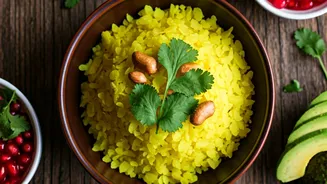
In Bengal, Chirer Pulao is a versatile favorite. It serves as a quick, fuss-free breakfast for those busy mornings when you don’t want to turn on the stove. It’s also a popular evening snack (tiffin), perfect with a cup of tea. Because it requires no cooking, it’s a go-to during certain religious festivals or fasting days when lighting a fire for cooking is traditionally avoided. One of its most popular forms is “Doi Chire,” which literally translates to “yogurt and flattened rice,” often served with seasonal fruits like mango or banana. There are savory cooked versions too, which might include fried nuts, raisins, and mild spices, but the no-cook, yogurt-based version remains a uniquely Bengali experience.
How to Try It at Home
The beauty of Chirer Pulao is its accessibility. You don’t need a complicated recipe, just a feel for the ingredients. Start with a cup of thick flattened rice (avoid the very thin, papery kind, which will turn to mush). Place it in a strainer and rinse it under cold water for about 30 seconds. Let it sit for 5-10 minutes to soften. Once the flakes are tender, transfer them to a bowl. Add a few generous spoonfuls of plain, whole-milk yogurt, a handful of freshly grated or desiccated coconut, a teaspoon or two of sugar, and a pinch of salt. Mix gently. That’s it. You’ve made a basic version. From there, you can customize it by adding sliced bananas, chopped mangoes, or a sprinkle of toasted nuts. Let it sit for a few minutes for the flavors to meld, and enjoy it immediately.