





Beyond the Shaker Bottle
Not long ago, getting a post-workout protein fix meant dealing with messy powders, a clunky shaker bottle, and the inevitable lumpy, lukewarm chug. The rise of ready-to-drink (RTD) protein shakes is, first and foremost, a story about convenience. Companies
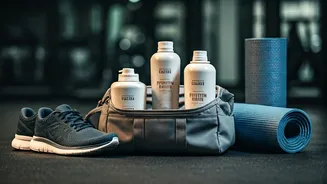
have cracked the code on creating smooth, shelf-stable, and surprisingly palatable formulas that eliminate all the prep and cleanup. For busy professionals, parents squeezing in a workout, or anyone who values efficiency, the appeal is obvious. You can toss one in a gym bag, a car cup holder, or a work tote without a second thought. This grab-and-go factor has been the single biggest driver in transforming protein from a dedicated ritual into an everyday convenience, much like a morning coffee.
The Nutritional Lowdown
Of course, convenience is useless if the nutrition isn't there. A good protein drink delivers a significant dose of, well, protein—typically 20 to 40 grams per serving. This is the key macronutrient for repairing the microscopic muscle tears caused by exercise, which is how muscles grow stronger. Most drinks use whey or casein, both derived from milk, as they are 'complete' proteins containing all essential amino acids. However, the plant-based market has exploded, with high-quality options made from soy, pea, and brown rice protein becoming widely available. The real challenge for consumers is looking past the protein count. Many popular drinks are loaded with added sugars to improve taste, sometimes rivaling a can of soda. A truly 'essential' drink should be high in protein but low in sugar and unnecessary fillers.
Is the Timing Really Everything?
The old gym lore preached the importance of the “anabolic window”—a 30-minute period post-workout where you absolutely had to consume protein or your workout was wasted. Modern sports science has largely softened this stance. While it's still beneficial to get protein within a few hours of training to aid recovery, the panic-chugging isn't necessary. This new understanding actually makes RTD protein drinks more versatile. Yes, they are perfect for a quick post-workout recovery fuel. But they're also a great option for a satiating afternoon snack that prevents you from reaching for the office donuts, a way to boost the protein content of a light breakfast, or even a stopgap meal on an incredibly hectic day. Their role has expanded from just recovery to overall daily nutrition management.
How to Choose a Winner
Navigating the beverage aisle can be overwhelming. To find a quality protein drink, start by turning the bottle around and reading the nutrition label, not the flashy marketing on the front. First, look for at least 20 grams of protein; this is a solid dose for muscle repair and satiety. Next, check the sugar content. Aim for a drink with less than 5 grams of added sugar—or ideally, zero. Many brands use natural, zero-calorie sweeteners like stevia or monk fruit. Finally, scan the ingredient list. Can you pronounce most of them? Shorter ingredient lists are generally better. Whether you choose whey, casein, or a plant-based blend depends on your dietary needs and preferences, but the principles of high protein, low sugar, and clean ingredients apply across the board.