






A Global Gut-Health Craze Arrives
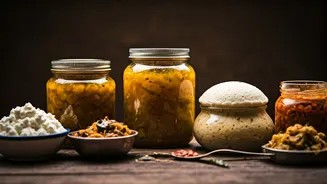
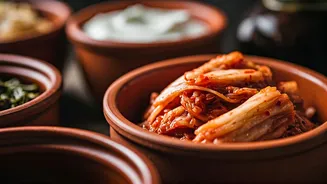
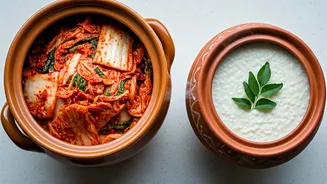
Walk into a high-end grocery store in Delhi or Bangalore, and you’ll see shelves once reserved for pickles and chutneys now crowded with newcomers. Gleaming jars of spicy Korean kimchi sit next to fizzy, jewel-toned bottles of kombucha. Sourdough bread,
with its distinctive tang born of a fermented starter, has become a status symbol for home bakers. This isn't a niche health-food phenomenon; it’s a mainstream movement. For a growing number of urban Indians, fermentation has become synonymous with wellness, sophisticated taste, and a connection to global culinary currents. Driven by social media influencers and a post-pandemic surge in health consciousness, these international ferments are finding a surprisingly receptive audience. The appeal is twofold: they offer complex, exciting flavors that align well with the Indian palate, which has long appreciated sour and pungent notes, while also promising the gut-healing benefits of probiotics that have become a worldwide wellness obsession.
Rediscovering India’s Own Traditions
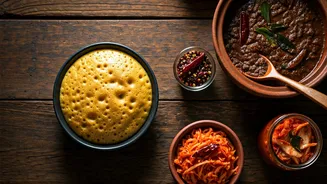
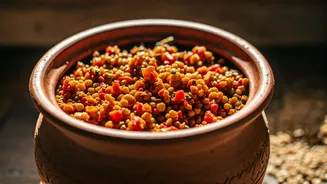
But to see this as a purely imported trend is to miss the bigger story. The “Kanji” in the headline refers to a vast category of traditional Indian fermented drinks and porridges, often made from rice, carrots, or beets. For every new kombucha brewery, there are countless home cooks rediscovering recipes for kanji, dosa batter, and the fermented rice water known as ‘pazhamkanji’—dishes that have nourished communities for centuries. India has one of the world’s richest and most diverse histories of fermentation, from the idlis and dosas of the south to the fermented bamboo shoots of the northeast and the milk-based dahi (yogurt) found in nearly every home. What’s new is the conscious celebration and commercialization of these practices. Chefs and food entrepreneurs are now looking inward, mining their own heritage for inspiration. They’re branding and bottling regional ferments, giving them a modern makeover, and reintroducing them to a generation that may have lost touch with these traditions.
Why Now? The Perfect Fermented Storm
So why is this all happening now? Several factors have converged to create this fermentation boom. First, the global wellness movement has primed consumers to be interested in probiotics and gut health. Words like ‘microbiome’ are no longer confined to scientific journals. Second, there’s a growing desire for authenticity and sustainability in food. Fermentation is a natural preservation method that reduces waste and connects people to a more elemental way of cooking. Finally, the internet has acted as a massive catalyst. A home cook in Chennai can learn how to make kimchi from a YouTube tutorial by a Korean grandmother, while a chef in New York can discover the wonders of Indian kanji through a food blogger’s Instagram post. This cross-pollination of ideas is what makes India’s current fermentation era so dynamic. It’s not just about adopting foreign foods or reviving old ones; it’s about the creative space in between.
A Taste of Modern India
The result is a culinary landscape that is more exciting than ever. You might find a trendy restaurant serving tacos with a filling of ‘gundruk,’ a fermented leafy green from Nepal and parts of India, or a cafe offering a tasting flight of different regional rice kanjis. Home cooks are experimenting with sourdough dosas and kimchi-stuffed parathas. This fusion isn't forced; it’s an organic reflection of a modern, globally connected India that is also increasingly proud of its own deep-rooted heritage. The humble process of fermentation—of letting time and microbes work their magic—has become a powerful metaphor for the country's own cultural evolution. It’s a process of transformation, where the best of the old and the new combine to create something entirely fresh, yet deeply familiar.