


The Promise of a Soil-Free Future
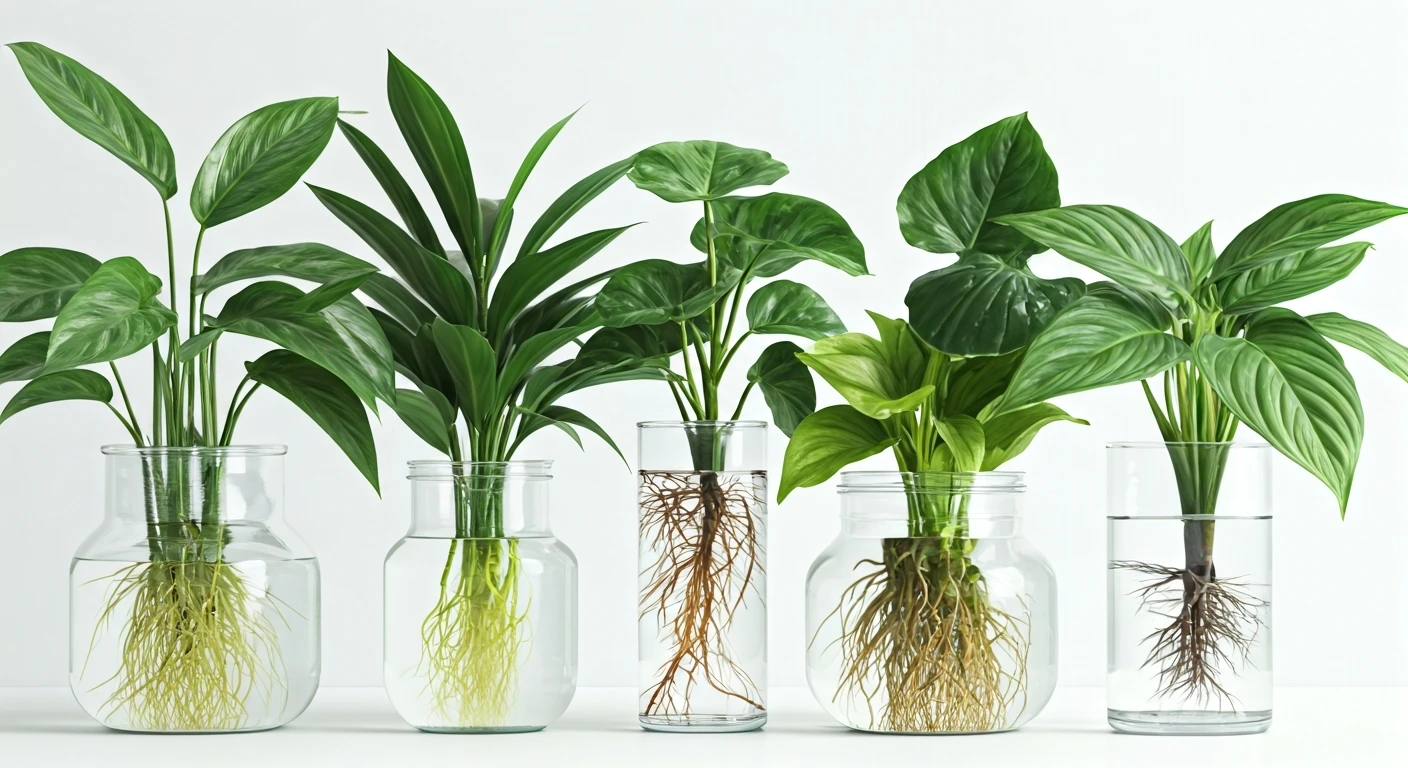
The secret revolution happening on plant-obsessed social media feeds isn't about a new type of soil; it's about getting rid of it altogether. Welcome to the world of soilless and semi-hydroponic growing. This isn't some sci-fi laboratory setup. It's a practical
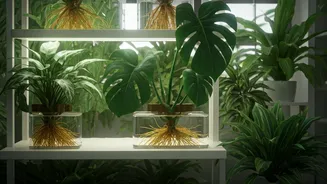
approach that replaces traditional potting mix with inert, sterile substrates like clay pebbles, volcanic rock, or other porous materials. The core idea is simple: give roots a stable structure to grow into while delivering water and nutrients in a more controlled, cleaner way. This shift does more than just eliminate mud on your white rug. It can lead to fewer pest problems (especially fungus gnats, which lay eggs in damp topsoil), reduce the risk of over-watering, and provide your plant's roots with exceptional aeration, often leading to stronger, healthier growth.
LECA: The Clay Pebble Powerhouse
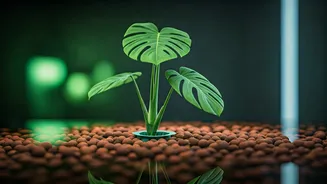
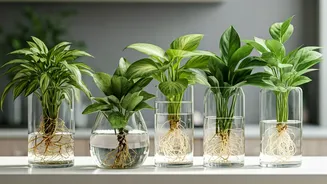
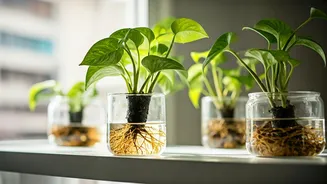
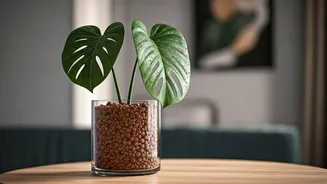
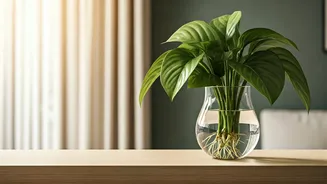
If you've seen a plant sitting in a glass vase full of little brown balls, you've seen LECA. Standing for Lightweight Expanded Clay Aggregate, these baked clay pebbles are like tiny, porous sponges. They don’t contain any nutrients themselves, but they are fantastic at wicking water up from a reservoir at the bottom of the pot. This process provides the roots with a constant, gentle supply of moisture without ever being submerged, which is the leading cause of root rot. The spaces between the pebbles allow for incredible airflow. LECA is also infinitely reusable—a simple boil or soak in diluted peroxide between uses makes it good as new. The main catch? Since the clay is inert, you are in complete control of nutrition. You’ll have to add a hydroponic-formulated fertilizer to your water to keep your plants fed.
Pon: The All-in-One Substrate
For those who find the idea of mixing their own fertilizer intimidating, there’s pon. A high-quality substrate created by the German brand Lechuza but now widely imitated, pon is a mix of mineral components like pumice, lava rock, and zeolite. The magic of pon is that it comes pre-loaded with a slow-release fertilizer that can feed a plant for up to six months. The zeolite in the mix helps regulate water and nutrient distribution while maintaining a stable pH. It functions similarly to LECA, wicking water from a reservoir, but offers a more 'plug-and-play' experience. It’s denser and less prone to floating, making it feel more like traditional potting. Many plant collectors swear by pon for their high-value aroids, like Alocasias and Anthuriums, which thrive on the consistent moisture and aeration it provides.
Making the Switch: A Gentle Guide
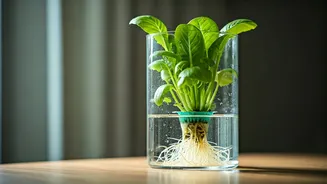
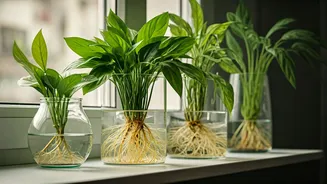
Transferring a plant from soil to a soilless medium can be stressful—for both you and the plant. The key is to be gentle and thorough. Start by removing the plant from its pot and carefully massaging as much soil from the root ball as possible. Then, use a bowl of lukewarm water to rinse the roots completely clean. This is the most crucial step; any remaining soil or organic matter can rot in a hydroponic environment. Snip away any dead or mushy roots with sterile scissors. Once clean, you can place the plant in its new pot (often a self-watering pot or a cache pot with a nursery pot inside) and fill in around the roots with your chosen substrate, be it LECA, pon, or something else. For the first few weeks, just use plain water without nutrients to allow the plant to acclimate and grow its new 'water roots,' which are better adapted to this environment.