





Beyond the Usual Suspects
When Americans dream of the Himalayas, they might picture the peaks of Nepal or the spiritual hubs of Dharamshala. Within India, the go-to mountain getaways have long been places like Shimla and Manali—former British hill stations now bustling with hotels,
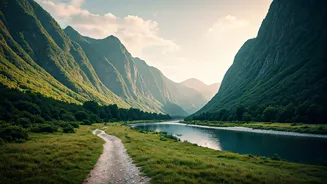
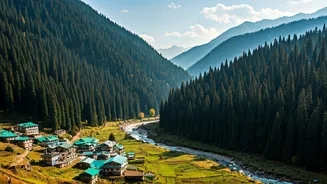
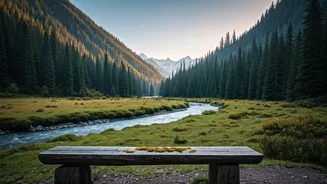
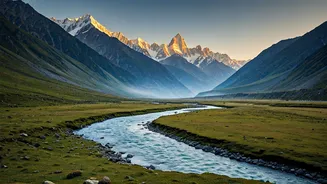
tourist shops, and traffic. While beautiful, they can sometimes feel like just another city, but with better views. Tirthan Valley, located in the Kullu district of Himachal Pradesh, is the antithesis of this. Lying along the Tirthan River and serving as the gateway to the Great Himalayan National Park, a UNESCO World Heritage Site, the valley has deliberately sidestepped the frenetic development that has overwhelmed its more famous neighbors. There are no sprawling resorts or noisy market streets. Instead, you'll find a string of small, riverside villages and a pace of life dictated by the flow of the river and the changing of the seasons.
The Art of the Slow Reset
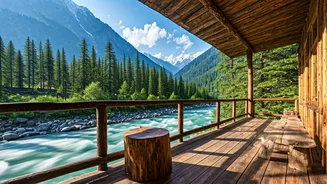
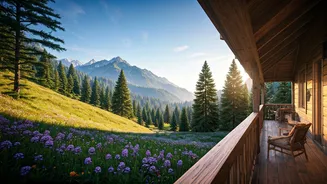
The term “slow reset” perfectly captures the Tirthan experience because the main attraction is the absence of attractions. This isn't a place for ticking off a checklist. A day in Tirthan is measured in simple, profound moments. It's waking up in a traditional wooden homestay, the sound of the river rushing below your balcony. It’s sipping chai while talking to your host family, who likely have lived here for generations. It’s spending an afternoon with a book by the water’s edge, your only interruption a local angler trying their luck for trout. The valley encourages you to put your phone down not because there’s no signal (there often is), but because there’s something far more compelling right in front of you. This is travel as restoration, not as a frantic accumulation of experiences. It’s a chance to decompress and recalibrate your internal clock to a more natural rhythm.
An Antidote to Over-Tourism
Tirthan Valley’s magic lies in what it lacks. By consciously promoting eco-tourism and a homestay-centric model, the region has preserved its authenticity. The communities here are stakeholders in conservation, not just operators in a tourism machine. This creates a powerful contrast with other destinations straining under the weight of their own popularity. While other mountain towns grapple with pollution and unregulated construction, Tirthan focuses on sustainable practices. The Great Himalayan National Park at its doorstep is an untouched wilderness, accessible only by foot, ensuring that its pristine beauty remains intact. For the conscious traveler, visiting Tirthan feels like a vote for a better, more sustainable way to explore the world. It’s proof that a destination’s greatest asset can be its commitment to staying small, quiet, and deeply connected to its roots.
Where Nature Is the Main Event
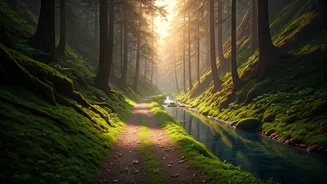
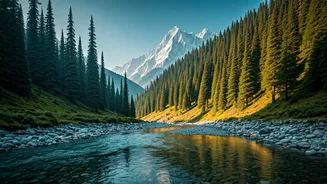
The activities in Tirthan are refreshingly analog. The valley is famous for its brown and rainbow trout, and angling is a popular, meditative pastime. Short, easy hikes lead to hidden waterfalls and serene meadows, with more challenging multi-day treks available for the adventurous heading into the National Park. Bird-watching is exceptional, with hundreds of species making their home in the protected forests. But you don’t need an agenda to appreciate it. The simple act of walking along the river, crossing a rickety wooden bridge, or watching the evening light filter through the deodar cedar and pine trees is an experience in itself. It’s a place that reminds you of the profound luxury of clean air, clear water, and uninterrupted quiet—a sensory reset that lingers long after you’ve left.