






The New Definition of Luxury
The language of luxury is changing. While high-end finishes and exclusive locations still matter, today’s affluent buyers are increasingly focused on experience and wellness. They don’t just want a home that looks good; they want a home that feels good,
intuitively. This shift places less emphasis on conspicuous consumption and more on a seamless, optimized living environment. Enter automated climate control, a technology moving from a nerdy nice-to-have to a non-negotiable feature in high-end developments. It represents the evolution of luxury from what you can see—the Italian stone, the designer fixtures—to what you can feel: a perfectly temperate, healthy, and responsive space that anticipates your needs before you’re even aware of them.
More Than a Smart Thermostat
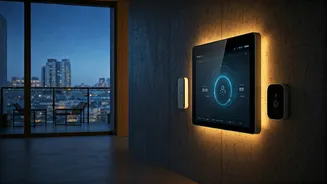
When we talk about automated climate control in this context, we’re not just talking about a Nest thermostat you can control from your phone. The systems being integrated into new luxury condos are vastly more sophisticated. These are centralized, AI-powered HVAC systems that function like a building’s central nervous system. They use a network of discreet sensors to learn occupancy patterns, tracking which rooms are used and when. The system can then proactively cool the living room ahead of your arrival from work or warm the master bathroom just before your morning alarm. By pulling real-time weather data, it can pre-emptively adjust for a coming heatwave or cold snap, ensuring the indoor temperature remains perfectly stable without any manual input. This isn't just about temperature; it’s about managing humidity, air purity, and even airflow, creating a truly bespoke atmospheric bubble for residents.
Efficiency Becomes a Selling Point
Ironically, one of the most compelling aspects of this high-tech luxury is its efficiency. Traditionally, large, glass-walled condos have been notoriously difficult and expensive to heat and cool. Advanced automated systems solve this problem with remarkable precision. By only conditioning the spaces that are in use and optimizing energy consumption based on predictive algorithms, these systems can significantly reduce a building's carbon footprint and a resident's utility bills. For developers, this is a powerful marketing tool. They can now sell “green luxury” that isn’t about sacrifice but about superior engineering. In a world where sustainability is an increasing concern even among the ultra-wealthy, offering a home that is both opulent and efficient is a major competitive advantage.
Why Developers Are Betting On It
For real estate developers in competitive markets like New York, Miami, and Los Angeles, differentiation is key. As architectural styles and interior finishes begin to look similar from one tower to the next, technology offers a new frontier for one-upmanship. By the time projects currently in the planning stages are completed around 2026, integrated, intelligent climate control is projected to be a baseline expectation, not a futuristic perk. Developers who invest in this infrastructure now are future-proofing their assets. It allows them to justify premium pricing and appeal to a younger, more tech-savvy generation of buyers who expect the same level of seamless integration from their home as they do from their smartphone. It’s a silent, powerful amenity that works around the clock to deliver the one thing everyone wants: total comfort.