



A Road Trip on a Plate
Imagine starting your meal with a deconstructed Lowcountry boil from South Carolina, moving on to a course inspired by New Mexican chiles, and finishing with a dessert that reimagines Michigan's beloved Mackinac Island fudge. This is the new frontier
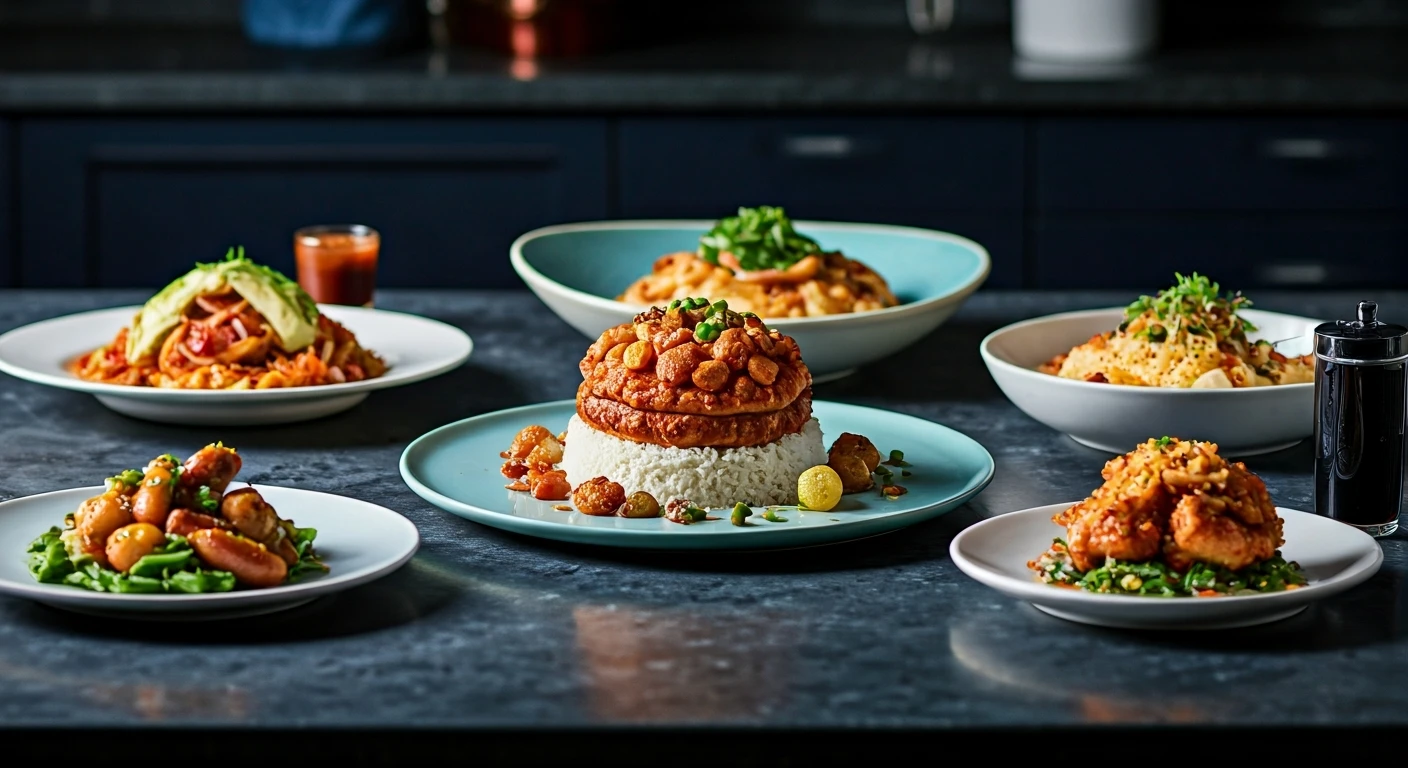
of tasting menus, a concept that's turning restaurant tables into cross-country expeditions. Instead of focusing on a single cuisine or a chef's personal history, these 'state-hopping' or 'regional tour' menus are a deliberate celebration of America’s vast and varied culinary landscape. It’s a concept that treats the United States not as a monolith, but as a collection of distinct, flavorful destinations worthy of exploration. Each dish acts as a postcard from somewhere else, a miniature story told through ingredients, techniques, and local traditions.
From Concept to Cutting Edge
While not yet a mainstream movement, this hyper-regional focus has appeared in some of the country’s most ambitious kitchens. Chicago's celebrated restaurant 'Next,' a venture from the Alinea Group, is famous for completely changing its theme every few months. Over the years, it has offered menus that function as deep dives into specific places and times, including a 'Tour of South America' and a 'Hollywood' menu. More recently, tasting menus have begun looking inward, exploring the diversity within the U.S. itself. You might find a D.C. restaurant offering a menu that traces the Potomac River's culinary history, or a California chef creating a tribute to the iconic dishes of Route 66. These aren't just collections of classic recipes; they are often modern interpretations that honor the spirit of a place while showcasing the chef's own creative vision.
The Post-Pandemic Palate
It’s no coincidence that this trend is gaining traction now. After years of travel restrictions and pent-up wanderlust, diners are hungry for novelty and escape. A state-hopping menu offers a powerful form of armchair travel, providing a sense of discovery and adventure without the need for a plane ticket. It taps into a collective desire to reconnect not just with new experiences, but with our own country. For many, the pandemic reinforced a sense of place and a curiosity about the communities just beyond our doorstep. This style of dining satisfies that curiosity, offering an experience that is both comforting in its familiarity (it's American food, after all) and thrilling in its execution. It’s a way to explore the country's cultural fabric through its most accessible medium: food.
The Chef's Creative Challenge
For chefs, crafting a state-hopping menu is a monumental undertaking. It requires the skills of a historian, a geographer, and a logistician. They dive into old cookbooks, research agricultural histories, and hunt down specialty purveyors to source ingredients like Louisiana crawfish, Wisconsin cheese curds, or Vermont maple syrup. This approach pushes them far beyond their classical training, demanding versatility and a deep respect for traditions that may not be their own. It's also a powerful statement. By dedicating a menu to the breadth of American cuisine, chefs are implicitly arguing that the nation's foodways are as complex, nuanced, and worthy of fine-dining reverence as those of France, Italy, or Japan. They are championing the idea that a perfectly smoked Texas brisket or a thoughtfully composed Florida Keys-inspired ceviche belongs in the same conversation as a truffle-laden pasta.