


Pruning Isn't Punishment, It's Partnership
Let’s reframe the snip. For many new plant parents, pruning feels like a high-stakes surgery they’re not qualified to perform. The fear of making a wrong cut and killing a beloved plant is real. But in the wild, plants get 'pruned' all the time by weather,
animals, and their own life cycles. Pruning is a way to partner with your plant’s natural tendencies, guiding its growth in a way that makes it healthier, stronger, and more beautiful inside your home. Think of it as a conversation. By removing dead or dying leaves, you’re telling the plant, “Stop wasting energy here and focus on new growth.” By trimming leggy vines, you’re encouraging it to become fuller and more lush rather than sparse and stringy. It helps the plant allocate its finite resources to the areas that matter most, resulting in a more robust and vibrant specimen.
The 'Why': More Than Just a Haircut
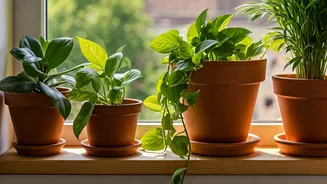
The benefits of a good prune go far beyond simple aesthetics. First, it promotes fuller growth. When you snip the dominant, terminal bud at the end of a stem, many plants respond by activating dormant buds further down, leading to a bushier, more compact shape. This is how you fix a 'leggy' plant that's all stem and no substance. Second, pruning improves plant health. Removing yellowing, brown, or diseased leaves prevents potential problems from spreading and improves air circulation around the base of the plant, which can help ward off common pests and fungal issues. Dead foliage does nothing for the plant and can become a breeding ground for problems. Finally, for vining plants like pothos or philodendrons, pruning is the gift that keeps on giving. Those cuttings can often be propagated in water or soil to create entirely new plants for free.
When and What to Cut
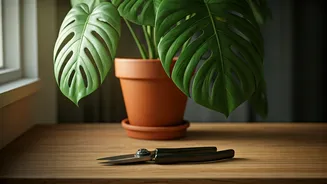
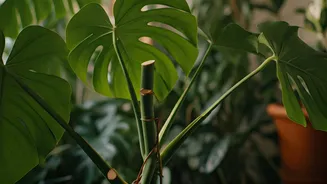
Timing is important, but don't overthink it. The best time to perform a major prune is during the active growing season—spring and early summer. This gives your plant plenty of energy and light to recover quickly and push out new growth. However, you can and should remove dead or yellowing leaves any time you see them. This is basic maintenance, like dusting your shelves. As for what to cut, start with the obvious. A simple rule is to look for the three 'D's: anything Dead, Damaged, or Diseased. These parts are either a drain on the plant’s energy or a potential source of infection. Snip them off without hesitation. Beyond that, look for 'directional' opportunities. Are there stems growing into a wall or crossing over each other in an awkward tangle? Pruning these can improve the plant's overall shape. Is your monstera getting too wide for its corner? Trace a leaf back to its main stem and make a clean cut. Your plant will be just fine.
The Right Tools and a Simple Technique
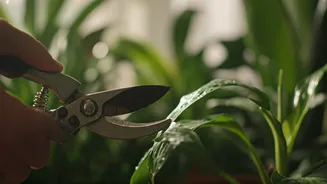
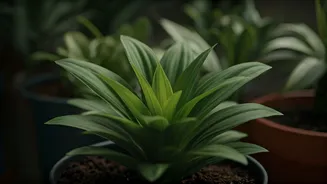
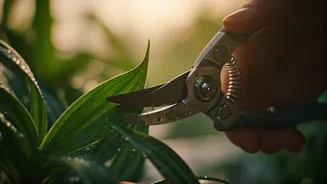
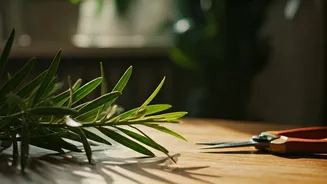
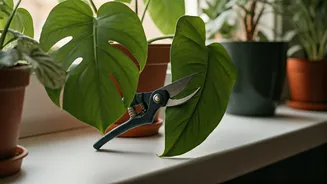
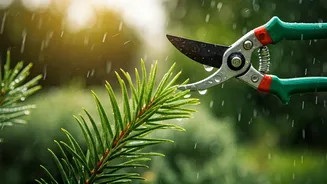
You don't need a professional kit. For most houseplants, a clean, sharp pair of scissors or small pruning shears is all you need. The key word here is *clean*. Wipe the blades with rubbing alcohol before and between plants to avoid spreading any potential diseases. A dirty tool is the fastest way to turn a helpful cut into a harmful one. The technique is simple: find a node. A node is a small bump on the stem where new leaves, roots, or stems emerge. When you trim a stem, make your cut about a quarter-inch above a node. This encourages the plant to branch out from that point. For leaves without a long stem (like those on a snake plant), cut them as close to the base or soil line as possible. Never remove more than 25-30% of the plant at one time. If a plant needs a major overhaul, do it in stages over a few months. Start small. Make one or two cuts on a leggy pothos. You’ll be rewarded with new growth in a few weeks, and that success will build your confidence.