

The Backlash to 'Fast Furniture'
For years, the path to a stylish home seemed paved with flat-pack boxes and identical, minimalist decor. But for a growing number of Millennial and Gen Z homeowners, that model is losing its luster. After years of living in transient rentals furnished
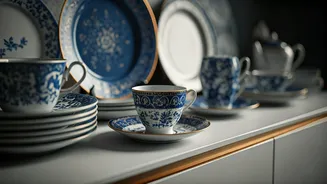
with convenient, disposable items, the permanence of homeownership is sparking a desire for permanence in their belongings. They’re consciously moving away from the world of 'fast furniture'—trendy, low-cost items not built to last—and investing in pieces that feel more significant. This isn't just about build quality; it's a reaction against the sea of sameness that populates both big-box stores and algorithm-driven social media feeds. A handmade ceramic mug, a custom-built bookshelf, or a hand-knotted rug isn't just an object; it's a statement against disposability.
Searching for Story and Authenticity
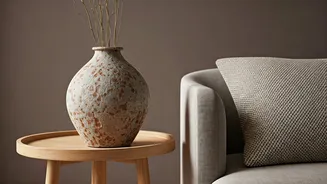
In an era of digital saturation, authenticity has become the ultimate luxury. Young homeowners want their spaces to tell a story, and a mass-produced end table sourced from a global supply chain doesn't have much to say. A piece bought directly from the artisan who made it, however, comes with a built-in narrative. It carries the mark of the maker—a slightly imperfect glaze, the grain of reclaimed wood, the unique weave of a textile. This desire for story is a direct counterpoint to the curated, often impersonal perfection of Instagram and Pinterest. While these platforms can be a source of inspiration, they also create a pressure to conform to fleeting trends. Choosing a handmade piece is an act of curating a personal identity, not just a room. It’s about owning something that no one else has, making their first real home feel truly their own.
Conscious Consumerism Comes Home
This trend is more than just an aesthetic preference; it’s an ethical one. The same values that drive choices about organic food or sustainable fashion are now shaping home decor. Younger generations are acutely aware of the environmental and social costs of mass production. They’re asking questions: Where did this come from? Who made it? What is its impact on the planet? Opting for handmade often provides comforting answers. It means supporting a small business or a local artist rather than a faceless corporation. It can mean choosing items made from sustainable, reclaimed, or locally sourced materials. In this light, spending a bit more on a hand-thrown vase isn't an extravagance; it's a value-aligned investment in a more sustainable and equitable economy. It’s a vote with their wallet for the kind of world they want to live in.
Redefining 'Handmade' for the Digital Age
When you hear 'handmade,' your mind might jump to chunky macrame wall hangings or lumpy pottery from a summer camp. But the modern artisan economy is far more sophisticated and diverse. Today, 'handmade' encompasses a vast range of goods. It includes high-design, minimalist furniture from a small woodworking studio in Oregon, sleek ceramic dishware from a potter in Brooklyn, and limited-edition art prints from a graphic designer in Austin. Marketplaces like Etsy, along with the rise of artisan-focused platforms and even Instagram, have made it easier than ever for consumers to connect directly with makers. This digital bridge allows for customization and connection, turning a simple transaction into a collaborative and personal experience. It's a global craft fair at your fingertips, offering everything from bespoke lighting fixtures to hand-poured, small-batch candles.