




The Whole Truth: Radical Honesty
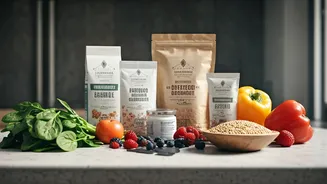
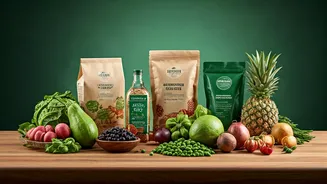
Imagine a protein bar that lists its ingredients in giant letters right on the front of the package. That’s the entire brand ethos of The Whole Truth (TWT), a Mumbai-based startup that has captured the attention of health-conscious urban Indians. Their
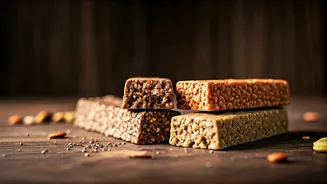
core promise is radical transparency—no hidden sugars, no soy, no artificial sweeteners, no false claims. Their bars are made from a simple base of nuts, dates for sweetness, and clean protein sources like whey or pea protein. Flavors don't just mimic candy bars; they elevate familiar tastes. Think rich Double Cocoa or a nutty Peanut Butter, both with a satisfyingly dense, chewy texture that feels more like a homemade treat than a processed snack. TWT’s success signals a major shift in the Indian market, where consumers are increasingly skeptical of opaque labels and are willing to pay a premium for food they can trust.
Yoga Bar: Ancient Grains, Modern Snack
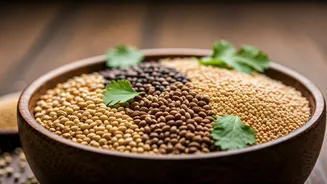
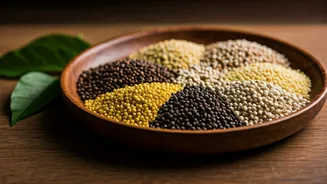
While many U.S. brands focus on high-tech protein isolates, Yoga Bar built its empire on the power of traditional Indian ingredients. Their bars are often packed with millets (like ragi and jowar), amaranth, and seeds—ancient grains that are naturally high in protein and fiber and have been staples of the Indian diet for centuries. This isn't just a health play; it's a cultural one. By incorporating these familiar, trusted ingredients, Yoga Bar creates a product that feels both innovative and deeply rooted. Their flavor profiles reflect this, with options like Cardamom & Fig or Chocolate Chunk & Nut drawing on classic combinations. They offer a less dense, more grain-forward texture than their competitors, almost like a supercharged granola bar, appealing to consumers looking for a wholesome, anytime snack rather than a heavy-duty post-workout refuel.
Max Protein: The Candy Bar Alternative
For every consumer seeking clean labels and ancient grains, there's another who just wants their protein bar to taste like a guilt-free Snickers. Max Protein, from Indian wellness giant RiteBite, expertly fills this niche. Their strategy is one U.S. consumers know well: recreate the taste and texture of popular candy bars. With a signature multi-layer format featuring a soft nougat-like base, a layer of caramel or fruit, and a chocolate coating, these bars are unabashedly decadent. Flavors like Choco Fudge, Choco Almond, and Peanut Butter are designed to satisfy sweet cravings while delivering a solid 20 to 30 grams of protein. While they may not win over the hardcore clean-eating crowd, Max Protein has become a dominant force in gyms, convenience stores, and supermarkets by proving that high-protein snacks don't have to be a chore to eat.
HYP: For the Serious Athlete
Targeting the dedicated fitness community, HYP (short for 'High-Yielding Protein') is all about performance. Their marketing is less about wellness lifestyle and more about macros, muscle recovery, and workout fuel. These bars are lean, mean, and packed with a high dose of whey protein, often boasting a protein-to-calorie ratio that rivals top American performance brands. What makes them stand out in the Indian context is their commitment to creating palatable flavors without compromising on the nutritional panel. They steer clear of the overly sweet profiles of candy-bar-style competitors, opting for more refined tastes like Triple Chocolate Brownie and Salted Caramel Cookie. This focus on serious athletes has earned HYP a loyal following among bodybuilders and runners who read nutrition labels first and foremost, proving there's a growing, sophisticated market for no-compromise performance food.
The Rise of Niche Flavors
Beyond the big players, the most exciting part of the Indian protein bar scene is the explosion of uniquely local flavors. Smaller, artisanal brands are experimenting with ingredients and tastes you’d never find in a U.S. health food store. Imagine bars flavored with masala chai spices, sweetened with jaggery (an unrefined cane sugar with a molasses-like taste), or infused with saffron and pistachio, echoing traditional Indian sweets (mithai). Some brands incorporate sattu, a roasted gram flour popular in Northern India as a high-protein staple. These innovations show the market isn't just adopting a Western trend; it's adapting and reinventing it, creating a new vocabulary of flavor for healthy snacking.