



When More Was More
For the better part of two decades, status was broadcast through technology. The satisfying snap of a flip phone, the sleek profile of the first iPhone, the person in the airport lounge furiously typing on a BlackBerry—these were the markers of someone
important, someone connected. Being “always on” was a sign of indispensability. A hotel’s five-star rating was reinforced by its lightning-fast Wi-Fi, its in-room tablets controlling everything from the curtains to the room service, and the sheer number of flat-screens available. Technology was an amenity, and more was always better. This philosophy bled into our homes and social lives, where the latest smartphone or biggest TV was a clear signal of success. The hum of constant connectivity was the soundtrack of modern achievement.
The Luxury of Logging Off
But a funny thing happened when everyone got a supercomputer in their pocket: the novelty vanished, and the noise became overwhelming. As screens became ubiquitous, their power as a status symbol evaporated. Now, the opposite is true. In an era of information overload and algorithmic anxiety, what has become truly scarce—and therefore, truly valuable—is a moment of uninterrupted peace. Undivided attention is the new currency. The ability to be fully present, to engage in deep conversation without the phantom buzz of a phone, or to simply be alone with your own thoughts has become a rare privilege. The new luxury isn't about being connected to the world; it’s about having the resources and the discipline to disconnect from the digital noise and reconnect with yourself and the people physically in front of you.
Checking In, Tuning Out
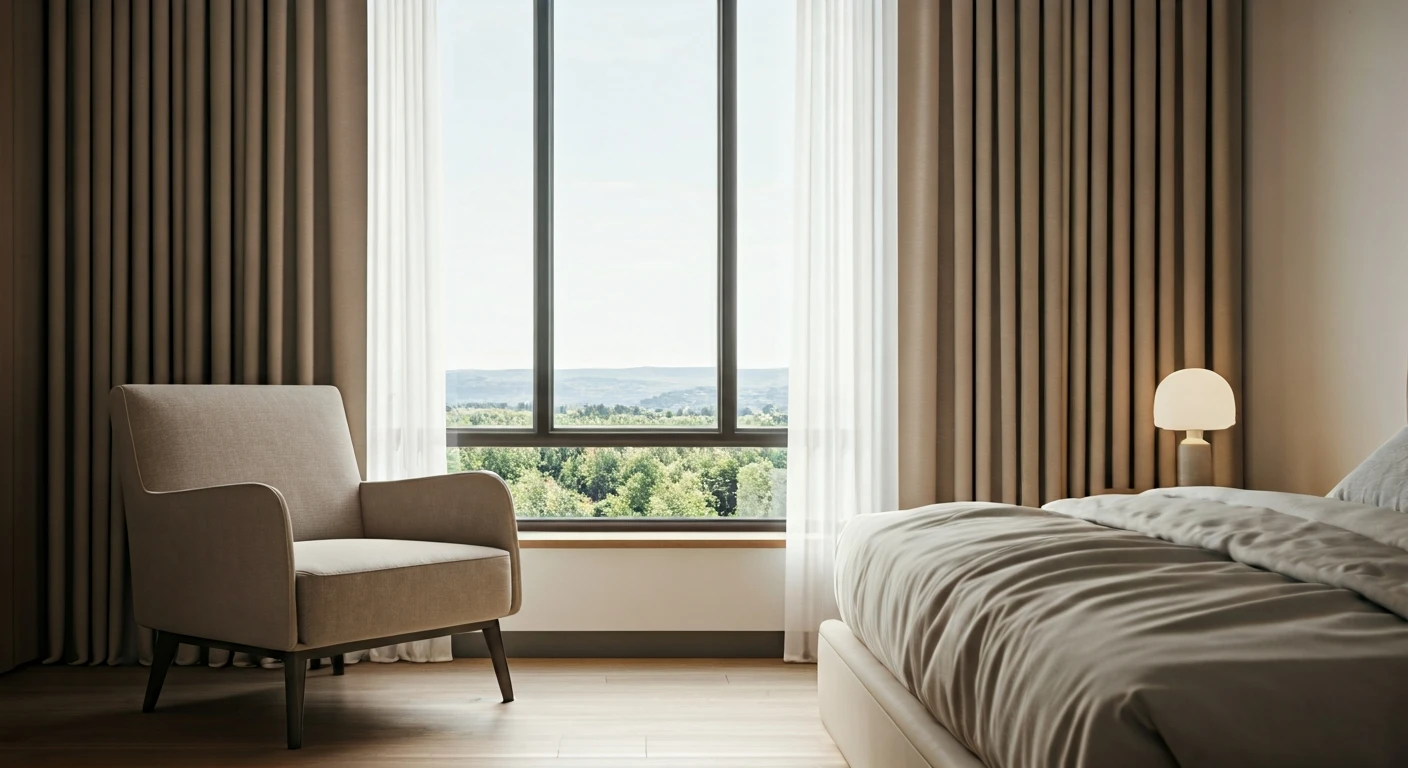
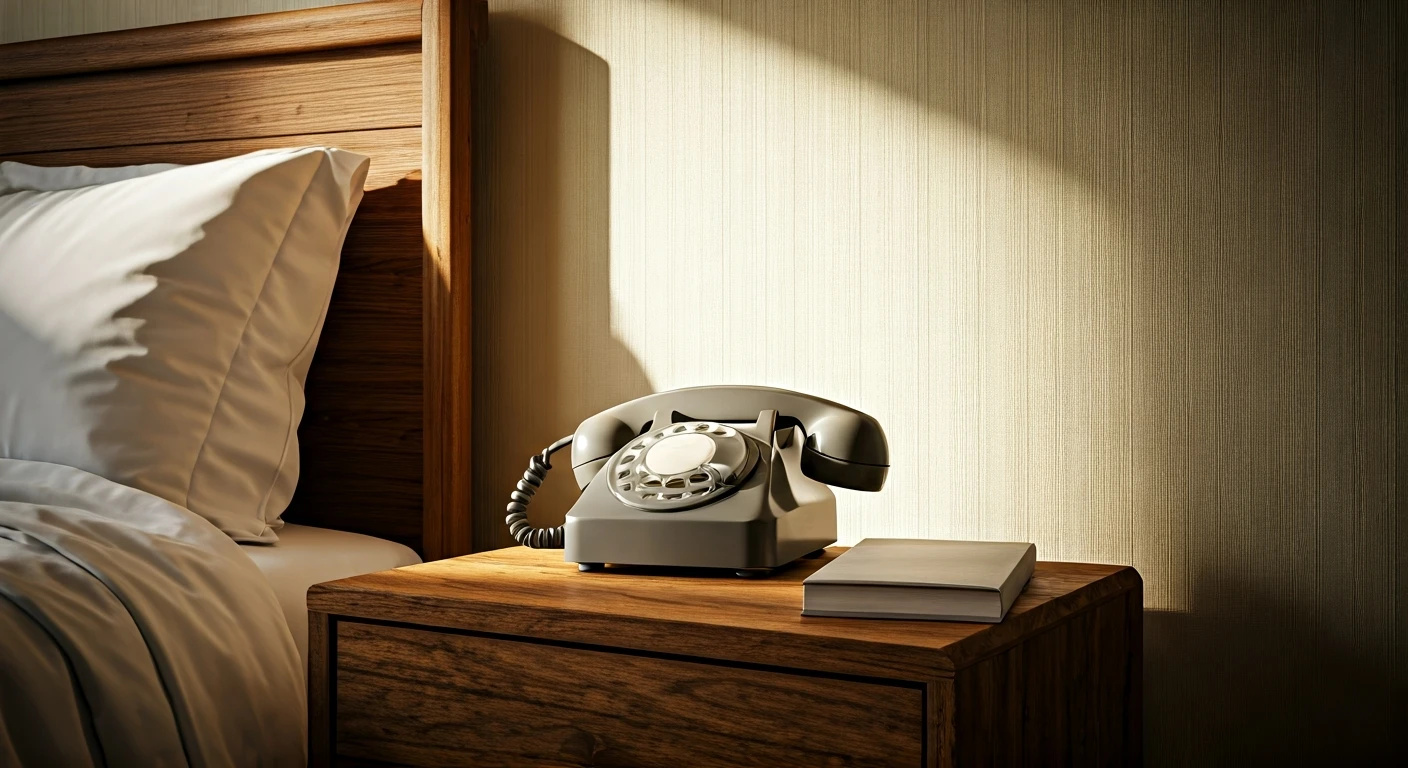
Nowhere is this shift more apparent than in the world of high-end hospitality. The most exclusive resorts and retreats are no longer bragging about their bandwidth; they’re marketing their deliberate lack of it. Places like the Post Ranch Inn in Big Sur famously lack TVs in their rooms, encouraging guests to focus on the stunning natural views. Restaurants from Los Angeles to New York have instituted phone-free policies, offering a small discount or simply a more civilized dining experience in return. Some hotels offer “digital detox” packages, providing guests with a lockbox for their devices upon arrival and suggesting analog activities like reading, hiking, or painting instead. This isn't about deprivation; it's about curation. They are selling an experience that is increasingly impossible to find elsewhere: a protected space free from the tyranny of the urgent, a genuine five-star feeling that comes from stillness, not stimulation.
Bringing It Home
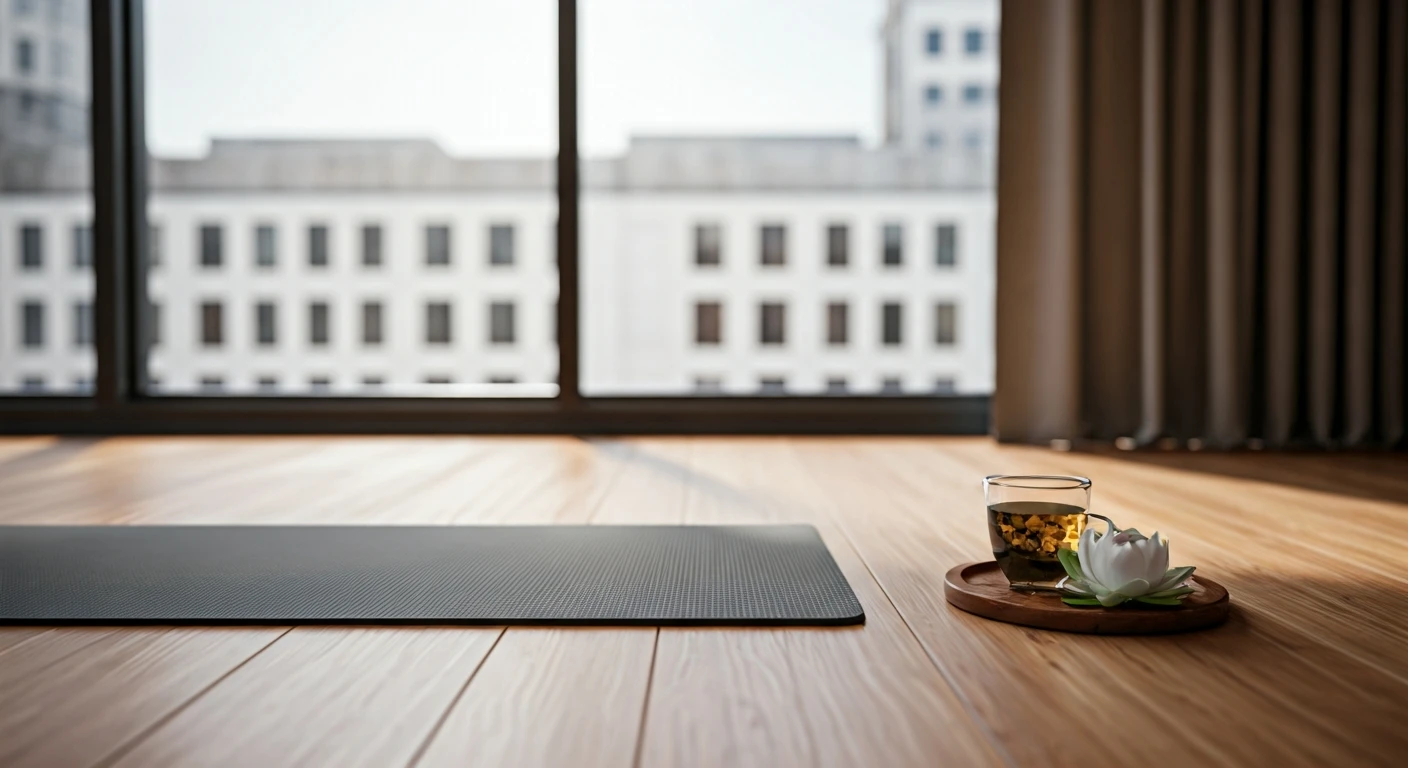
While a week at a tech-free spa may be the pinnacle of this trend, the principle is being adopted by people everywhere. The “five-star feeling” is being cultivated not just on vacation, but in daily life. It’s the simple, declarative act of putting a basket by the front door for phones during dinner parties. It’s the conscious decision to leave your phone in another room for the first and last hour of the day. It’s rediscovering analog hobbies—baking bread, learning an instrument, woodworking—that engage the hands and quiet the mind in a way that scrolling never can. This isn't a Luddite rejection of technology, but a sophisticated rebalancing of it. It’s an acknowledgment that while our devices are powerful tools, our time and attention are our most precious, non-renewable resources. The ultimate power move is deciding for yourself where those resources are spent.