
The Anti-Extravagance Statement
For generations, the 'romance flex' was about conspicuous consumption. It was the five-star hotel, the impossible-to-get theater tickets, the multi-carat surprise. But in an age of digital burnout and performative posting, a counter-trend has emerged.
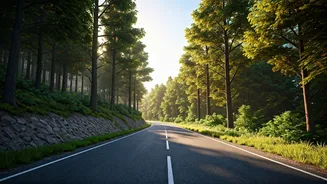
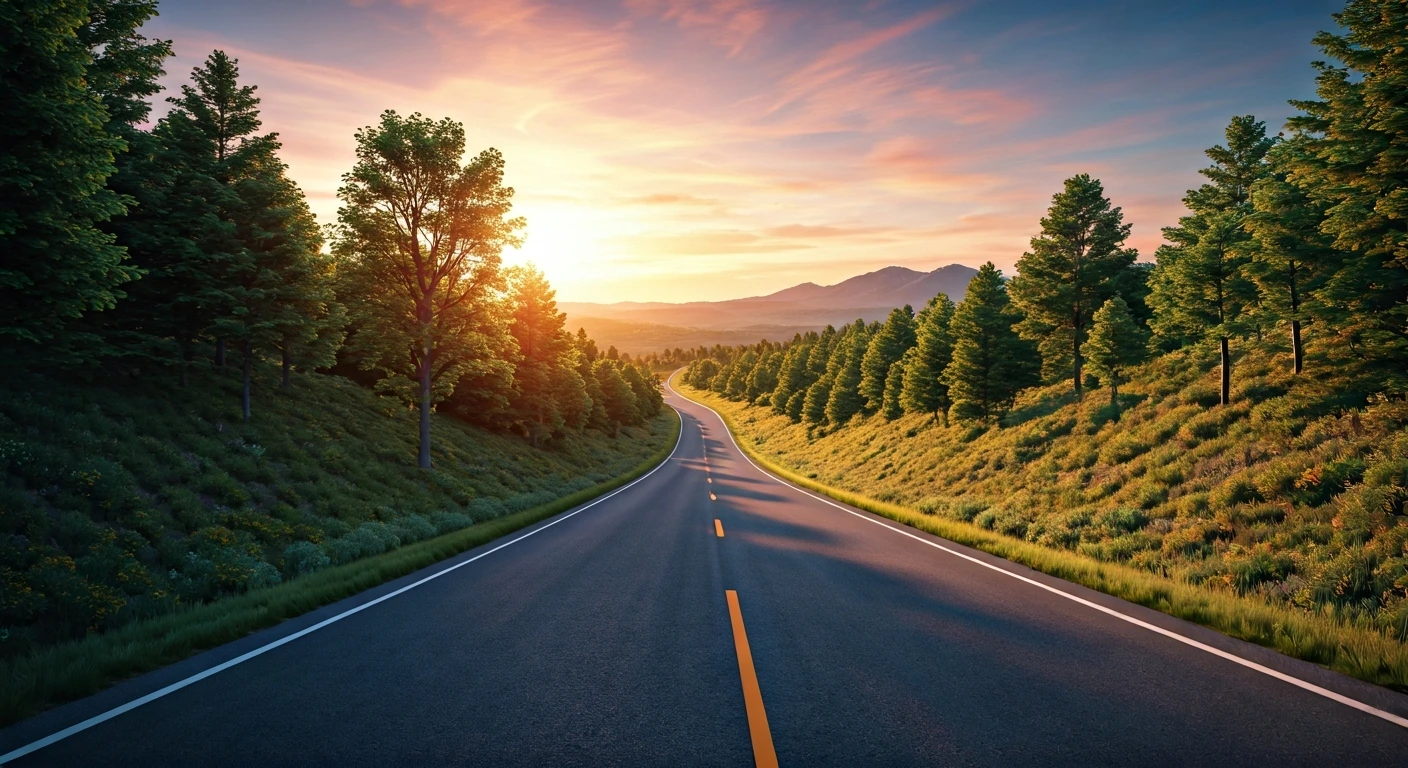
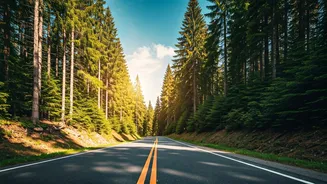
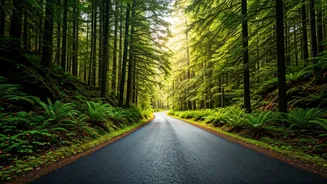
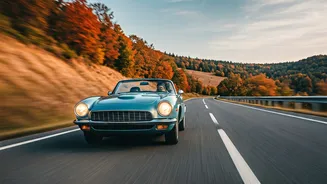
The ultimate luxury, it seems, is no longer what you can buy, but what you can experience—quietly, privately, and authentically. Enter the lush forest road. A drive under a canopy of green, with light filtering through the leaves and the only soundtrack being your tires on the pavement and a shared playlist, has become a powerful romantic statement. It’s an act that says, 'I don't need to impress you with money; I just want to share a beautiful, peaceful moment with you.' This isn't about proving you can afford a trip; it's about proving you have the taste and intention to curate a perfect, simple experience.
A Post-Pandemic Yearning
This shift didn't happen in a vacuum. The pandemic fundamentally rewired our relationship with travel and leisure. Confined to our homes and immediate vicinities, we rediscovered the great outdoors and the freedom of the open road. National parks saw record attendance, and the classic American road trip was reborn not as a budget vacation, but as a desirable escape. The forest road is the spiritual successor to this movement. It captures that same feeling of discovery and escape, but distills it into a smaller, more intimate package. It’s a low-stakes adventure that offers a high emotional reward. After years of being told to stay put, the simple act of moving through a beautiful, tranquil landscape feels like a profound privilege. It’s a shared reclamation of freedom, a small adventure for two that feels both safe and wonderfully wild.
The 'Soft Launch' of Scenery
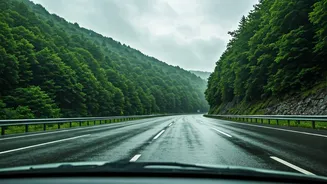
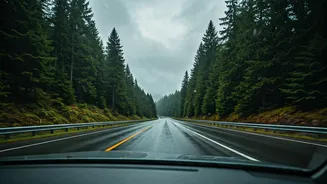
Of course, if a flex happens and it’s not on Instagram, did it really happen? The forest road trend thrives on social media, but in a way that’s subtly different from the geotagged infinity pools of Bali. The photos are less about 'Look where I am' and more about 'Look how this feels.' Think blurry shots of a green tunnel from a passenger seat, a hand held over a center console with a verdant backdrop, or a dashboard view of a winding, empty road ahead. It’s a visual 'soft launch'—not of a new relationship, but of a state of mind. It’s aspirational but feels achievable. You don't need a passport or a massive budget, just a car, some gas, and a sense of direction (or lack thereof). This aesthetic taps into the broader appeal of #cottagecore and #naturecore, celebrating a slower, more deliberate way of being that feels like an antidote to the hustle and noise of modern life.
How to Find Your Own Green Tunnel
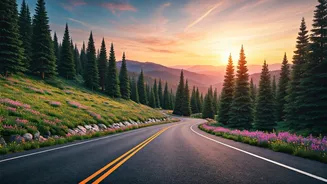
The beauty of this trend is its accessibility. You don’t need to be near a famous scenic byway like the Blue Ridge Parkway in Virginia and North Carolina or the Kancamagus Highway in New Hampshire, though those are certainly prime examples. This magic can be found almost anywhere. Look for state parks, national forests, or even large county parks near you. Often, the access roads leading into these areas are more beautiful and less trafficked than the main thoroughfares. Pull up a map and look for the squiggly green lines that wind through patches of green. The goal isn't a destination; the road *is* the destination. The perfect forest road is one that encourages you to slow down, roll down the windows, and disconnect from everything but the person sitting next to you and the scenery unfolding ahead.