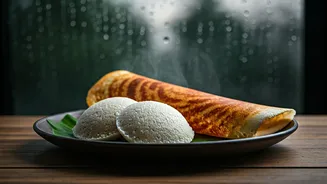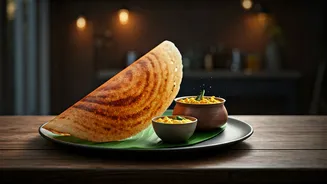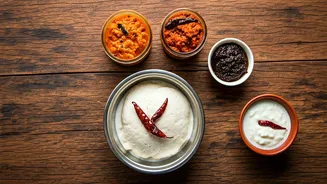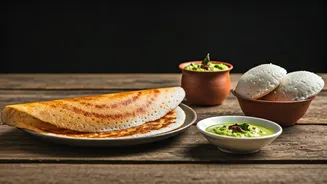



More Than Just Dosa and Idli
When Americans think of Indian food, the first things that come to mind are often creamy curries or sizzling tandoori chicken. But a quieter, more profound culinary tradition has shaped the subcontinent’s diet for centuries: fermentation. For many, the experience
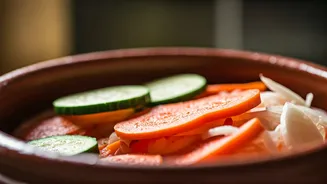
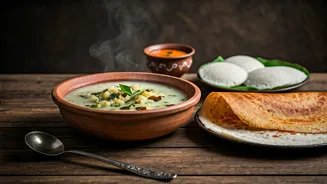
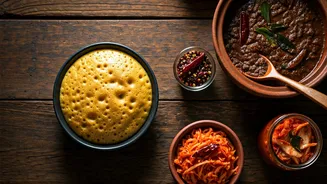
stops at dosa (a crispy crepe) and idli (a savory steamed cake), both made from a fermented rice and lentil batter. While delicious, they are just the opening act in a vast and regionally diverse play. From the pungent, mustard-infused kanji of the north—a probiotic-rich drink made from black carrots—to the fluffy, tangy dhokla of Gujarat, India’s fermentation map is sprawling. In Bengal, there's panta bhat, a humble dish of fermented leftover rice that cools the body and provides sustained energy. In the Himalayas, gundruk (fermented leafy greens) and sinki (fermented radish) are staples. This isn't a new-age health fad; it's a deeply ingrained cultural practice born from the necessity of preserving food through hot climates and lean seasons.
The Gut Health Connection
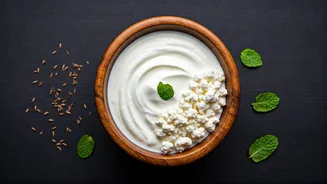
So why the comeback now? The answer lies partly in a global wellness trend that has finally caught up with ancient wisdom. As Americans spend billions on probiotic supplements and artisanal kombucha, many in India—and in the Indian diaspora—are looking back to their own kitchens. These traditional foods are naturally teeming with beneficial bacteria that support a healthy gut microbiome, which science increasingly links to everything from immunity and digestion to mental health. This isn't your grandmother’s vague advice to “eat your pickles.” It’s a scientifically-backed understanding that the slow, controlled action of microbes not only preserves food but transforms it into a superfood. The fermentation process breaks down anti-nutrients, making vitamins and minerals more bioavailable. For a generation obsessed with optimizing health, the discovery that a bowl of curd rice or a glass of spiced buttermilk (chaas) is a world-class probiotic powerhouse feels like a revolutionary, yet deeply familiar, revelation.
An Answer for the Modern Kitchen
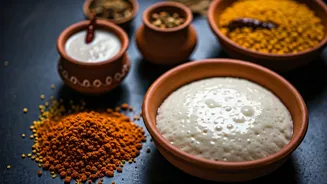
The “practical” part of this comeback is just as crucial. In an age of meal-prepping and time-saving kitchen hacks, fermentation offers a compelling proposition. While the process itself takes time—a batter resting overnight, a pickle jar souring over days—the active work required is minimal. It’s a form of slow-cooking orchestrated by microbes, not you. A batch of idli-dosa batter prepared on a Sunday can provide quick, healthy breakfasts for days. A jar of homemade mango pickle adds an explosion of complex flavor to a simple meal, no elaborate sauce-making required. Fermentation unlocks umami, sourness, and depth that would otherwise take hours of simmering or a laundry list of ingredients to achieve. This makes it the perfect antidote to the modern dilemma of wanting flavorful, wholesome food without spending all evening in the kitchen. It’s the ultimate low-effort, high-reward culinary technique.
From Family Secrets to Startups
This revival isn't just happening in home kitchens. It's being fueled by a new generation of chefs, entrepreneurs, and food bloggers who are documenting, celebrating, and commercializing these traditions. Social media is filled with influencers sharing their family’s secret pickle recipes or tutorials on making the perfect dosa batter from scratch. At the same time, a wave of new startups is making these flavors accessible to everyone. You can now find small-batch, artisanal kanji, ready-to-cook fermented batters, and regional pickles online and in specialty stores. Chefs in modern Indian restaurants from New York to New Delhi are deconstructing and reimagining fermented dishes, putting them in the fine-dining spotlight. This movement is reclaiming fermentation from being seen as merely “old-fashioned” and repositioning it as a sophisticated, sustainable, and essential part of modern Indian identity.