




The Backlash Against Sameness
Imagine the uniform of the 2010s: skinny jeans, a fast-fashion top, and sneakers that were ubiquitous from Mumbai to Milwaukee. For a long time, aspiration in India, as in many places, meant access to global brands like Zara, H&M, and Forever 21. Malls
became temples of a certain kind of Western-influenced modernity. But a quiet fatigue has set in. For India’s Gen Z and younger millennials—a demographic cohort larger than the entire population of the United States—that cookie-cutter aesthetic no longer holds the same appeal. They grew up with these brands, and the novelty has worn off. Now, the ultimate style flex isn't wearing what everyone else has; it's wearing something no one else can find. It’s a shift from consuming to curating.
Your Instagram Feed Is the New Flea Market
A key engine of this change is social media, but not in the way you might think. Instead of just being a place for influencers to push the latest mass-market trend, Instagram has become India’s biggest flea market. A vibrant ecosystem of “thrift stores” has exploded on the platform. These are not brick-and-mortar shops, but curated accounts run by young entrepreneurs who source, style, and sell pre-loved and vintage clothing through Instagram posts and Stories. A seller might post a vintage floral dress from the ‘90s, and the first person to comment “Sold” gets it. This creates a sense of scarcity and discovery. Each piece has a past, a story, which makes it inherently more interesting than a factory-fresh T-shirt. It’s a treasure hunt, and it’s democratizing the thrill of finding a one-of-a-kind garment.
Heritage, but Make It Modern
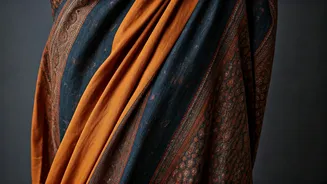
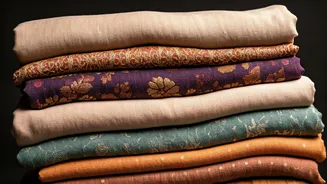
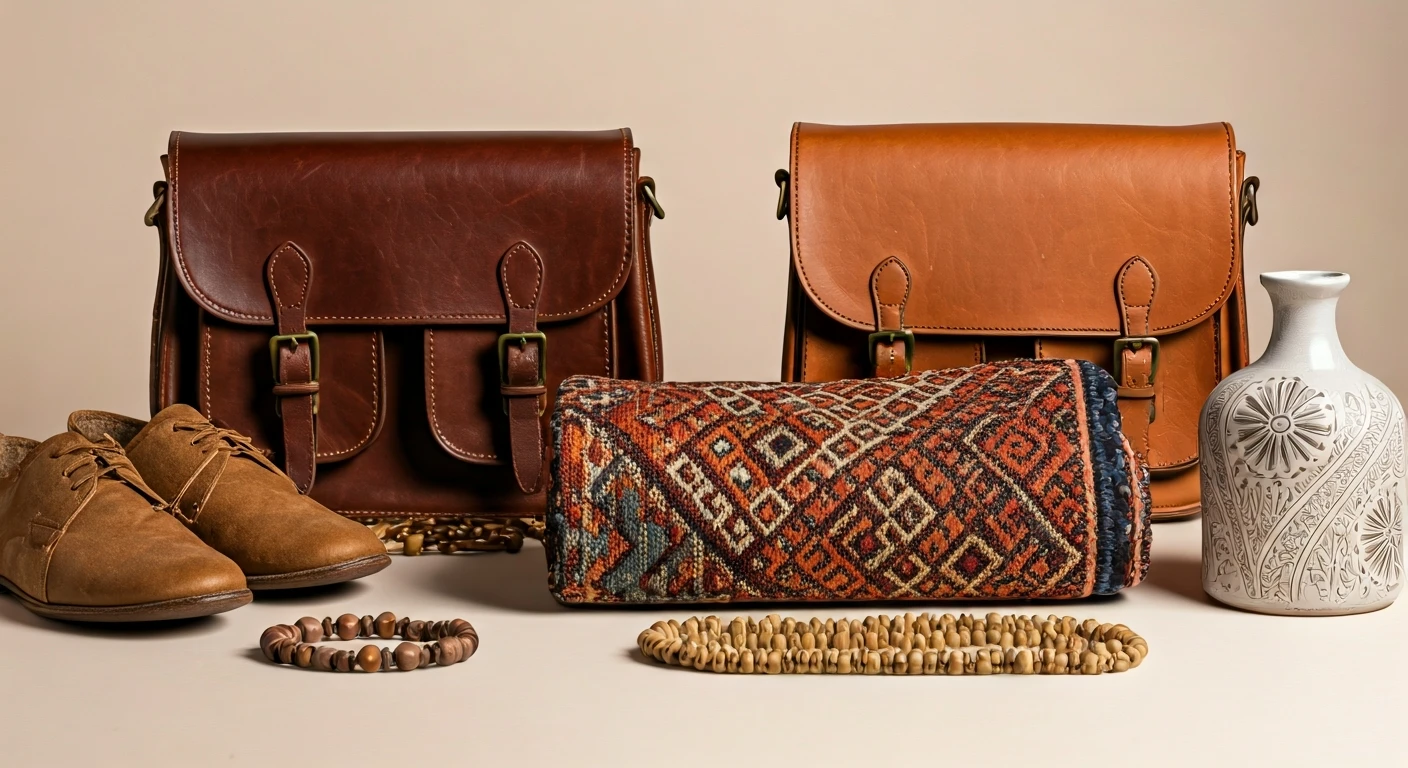
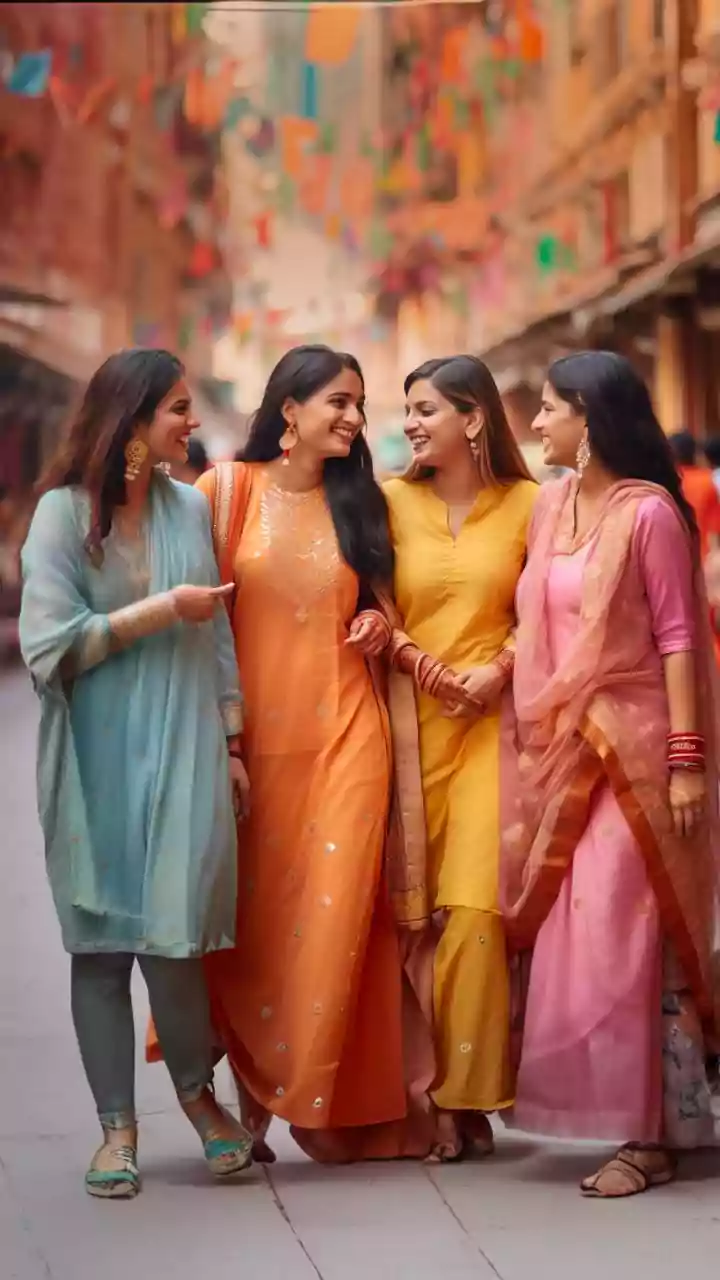
This movement isn't just about adopting Western vintage trends; it's also about a powerful reconnection with India's own rich textile heritage, remixed for the 21st century. Young consumers are looking past the heavy, formal occasion-wear their parents might favor and discovering the beauty of indigenous fabrics and crafts for everyday life. Think a hand-block printed top from Rajasthan paired with wide-leg jeans, or a breezy jacket made from hand-spun Khadi fabric thrown over a simple dress. They are supporting small, direct-to-consumer (D2C) brands that work with local artisan clusters. This isn't about preserving tradition in a museum; it's about wearing it, living in it, and giving it new context. It’s a way of expressing a distinctly modern Indian identity—one that is globally connected but proud of its local roots.
The Story Is Part of the Style
Ultimately, the desire for a “collected” wardrobe is a search for narrative. Fast fashion is anonymous; its story is one of factories and shipping containers. But a thrifted jacket, a piece from a small D2C designer, or an artisan-made scarf has a story you can tell. It could be the story of the person who owned it before, the craftsperson who wove the fabric, or the young entrepreneur you bought it from on Instagram. This new wave of Indian fashion is about sustainability, but it’s also about soul. It’s a conscious choice to build a wardrobe that reflects a personal journey, where each item is a chapter. It’s less about following trends and more about collecting pieces that resonate on a deeper level, transforming the act of getting dressed from a routine into a form of personal storytelling.