



The Great Summer Exodus
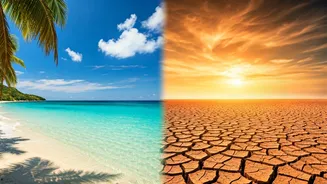
For an American, summer vacation might conjure images of beach trips planned in February. In India, the calculus is different. When the mercury climbs past 110 degrees Fahrenheit in cities like Delhi and Jaipur, the collective consciousness turns north.
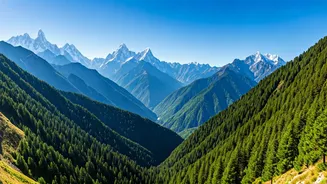
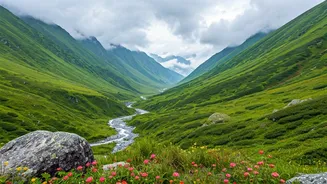
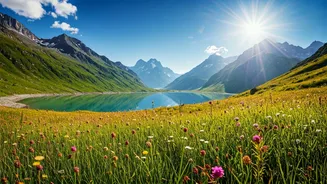
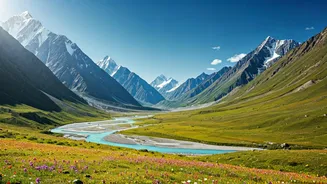
The destination: the Himalayas. Hill stations like Shimla, Manali, and Mussoorie—once sleepy summer capitals for the British Raj—transform into bustling, jam-packed escape valves for the subcontinent's new and rapidly growing middle class. This isn't just a holiday; it's a seasonal migration, a desperate flight from the oppressive, suffocating heat of the plains. The desire isn't merely for a pleasant trip; it's a primal need for breathable air and relief from the sweltering urban furnace.
What 'Without Planning' Really Means
The headline's reference to “Europe-level planning” hints at a cultural disconnect. For many Western travelers, a vacation is a project, planned months in advance with flights, hotels, and itineraries locked in. The corresponding Indian trend isn't about a lack of foresight but a different logic of spontaneity. Professional life in urban India can be unpredictable, with leave often approved at the last minute. Family and friend groups, the bedrock of Indian social life, often make travel decisions collectively and impulsively over bustling WhatsApp chats. The plan might be as simple as: “It’s a long weekend, the heat is unbearable, let's drive to the mountains.” The rise of domestic budget airlines and online travel agents like MakeMyTrip and Goibibo has supercharged this behavior, making it possible to book a flight, car, and hotel on a Wednesday for a Friday departure. It’s a culture that prioritizes flexibility and togetherness over the rigid, pre-packaged efficiency of a color-coded spreadsheet.
The Chaos of a Shared Impulse
Here's the catch: when millions of people have the same spontaneous idea at the same time, the result is anything but relaxing. The roads leading to popular hill stations become parking lots. News channels flash images of bumper-to-bumper traffic snaking for miles up mountain roads, turning a five-hour drive into a 15-hour ordeal. Upon arrival, travelers who didn't book ahead—or even those who did—find a chaotic scene. Hotels are sold out, with remaining rooms going for exorbitant prices. Local resources, especially water, are strained to the breaking point. The very peace and quiet that people are seeking is obliterated by the sheer volume of humanity seeking it alongside them. The phenomenon has become a predictable part of the summer news cycle, a national spectacle of 'overtourism' concentrated into a few key weekends and destinations.
A Sign of a New, Aspirational India
Ultimately, this travel style is a powerful symbol of modern India. It reflects a country with a massive, young population and a burgeoning middle class with newfound disposable income and aspirational goals. For many, this is the first generation in their family with the means to take vacations for leisure rather than just visiting relatives. Social media amplifies the trend, as Instagram feeds fill with friends posing against misty mountain backdrops, creating a potent fear of missing out (FOMO) that drives yet more people to join the exodus. This isn't just a trip; it’s a status marker, a declaration that one has arrived. The chaos is seen as a manageable, almost expected, side effect of participating in a collective, aspirational experience. It's the price of admission for a taste of the good life, enjoyed on their own terms.