
The Vibe: Chaos vs. Calm
Manali, once a sleepy Himalayan village, has become a victim of its own success. For the uninitiated, arriving in peak season can feel less like a mountain retreat and more like arriving at Times Square during a holiday rush. The main thoroughfares, particularly
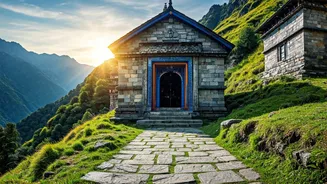
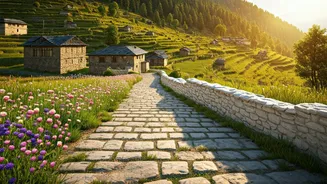
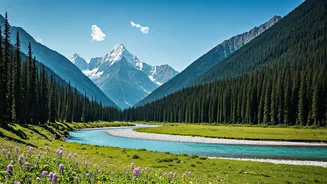
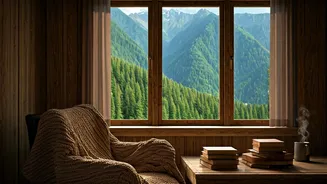
Mall Road, are a chaotic symphony of honking cars, bustling shops selling identical souvenirs, and restaurants blasting popular music. It’s a place of high energy, packed with tourists, adventure brokers, and a constant, thrumming momentum. It’s exciting, if that’s what you’re looking for. Naggar, just a 45-minute drive away, exists in a different era. Perched on a slope overlooking the Beas River, it feels a world away from Manali's frenzy. The air is quieter, punctuated by birdsong and the distant rush of the river, not traffic. The pace is unhurried. Instead of a frantic central market, you'll find winding lanes, traditional stone-and-timber homes, and locals going about their day. It’s a town that invites you to slow down, breathe deeply, and simply be present in the mountains, not just consume them.
The Itinerary: Adrenaline vs. Art
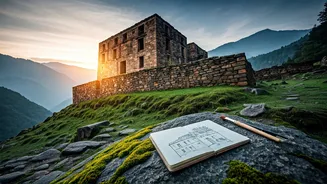
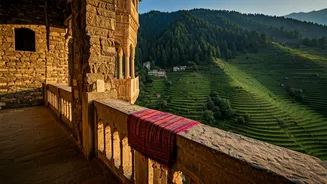
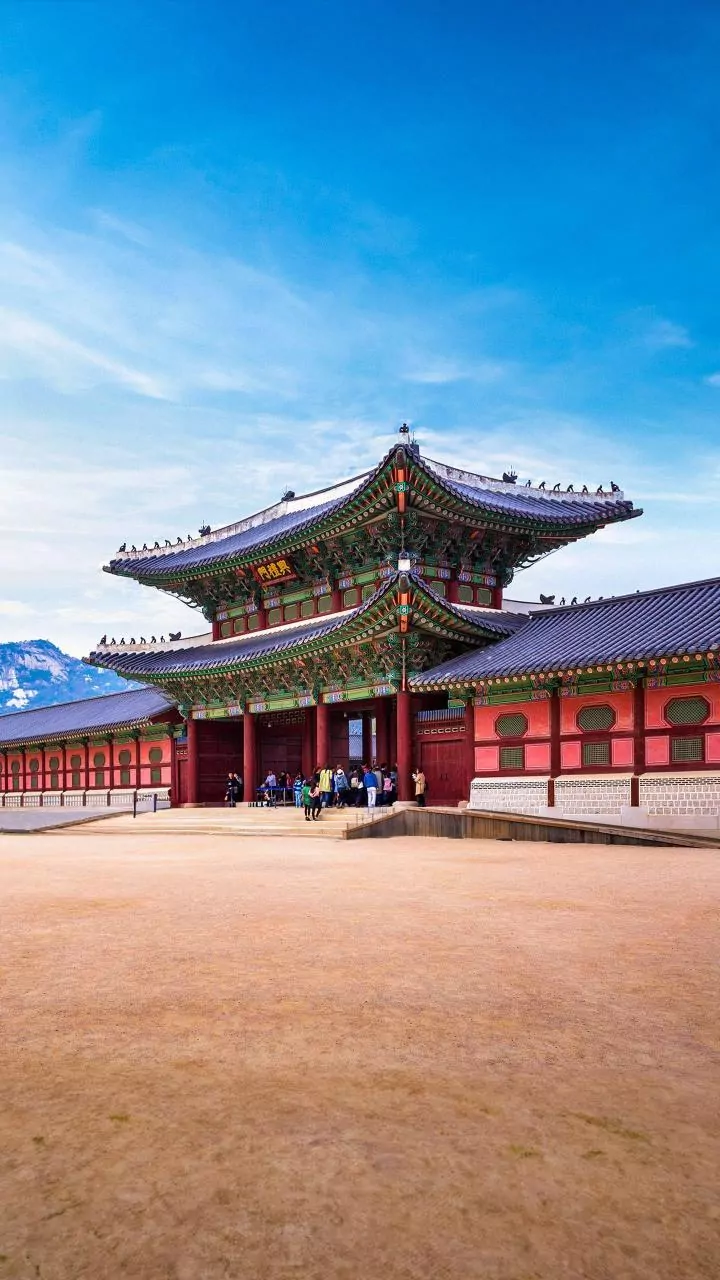
A trip to Manali is often built around a checklist of high-octane activities. You can go paragliding in the Solang Valley, tackle whitewater rafting on the Beas, rent a motorbike for a thrilling (and risky) mountain ride, or use it as a base for the trek to Hampta Pass. The café scene is vibrant, offering everything from Israeli food to Italian coffee, catering to an international backpacking crowd. The focus is on doing things, collecting experiences, and often, getting that perfect Instagram shot. Naggar’s attractions are more contemplative. Its crown jewel is the Naggar Castle, a magnificent 15th-century structure made of wood and stone, offering panoramic views of the Kullu Valley. It was once the capital of the Kullu kingdom, and its history is palpable. A short walk away is the Nicholas Roerich Art Gallery, a small museum dedicated to the famous Russian artist who settled here. His paintings capture the ethereal beauty of the Himalayas. The activities in Naggar are simpler: take long walks through apple orchards and pine forests, visit ancient temples, or find a quiet spot to read a book with a cup of chai. It’s about immersion, not adrenaline.
Your Stay: Concrete Hotels vs. Heritage Homestays
Accommodation in Manali runs the gamut, but the landscape is dominated by large, multi-story hotels that compete for the best view, often blocking each other in the process. While you can find luxury resorts and budget hostels, the overwhelming feel is that of a commercial tourist town built for high-volume turnover. Naggar offers a more intimate experience. While it has a few hotels, its charm lies in its guesthouses and homestays. Many are traditional Himachali homes, built in the beautiful *kath-kuni* architectural style, offering a genuine glimpse into local life. Waking up in a room with wooden beams, eating a home-cooked meal prepared by your hosts, and hearing stories about the village is a completely different kind of travel. It’s a stay that connects you to the place, rather than just providing a bed for the night.
The Crowd: Who Is Each Place For?
So, who should go where? Manali is for the traveler who thrives on energy and social interaction. It’s for the young backpacker looking to meet people from around the world, the group of friends on a whirlwind adventure trip, or the family that wants easy access to a wide array of restaurants and activities. If your idea of a vacation involves a bustling nightlife and a packed itinerary, Manali delivers. Naggar is for the traveler seeking refuge. It's for the artist, the writer, the couple on a romantic getaway, or anyone who wants to connect with the culture and nature of the Himalayas on a deeper level. It’s for those who believe the best part of being in the mountains is the peace and quiet. If you prefer conversations over crowds and heritage over hype, Naggar is your sanctuary.