

The Foundation: Fermented Batters
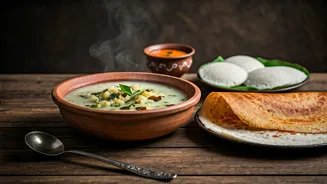
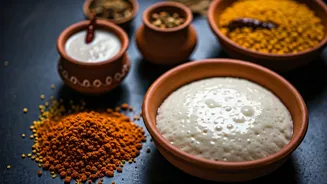
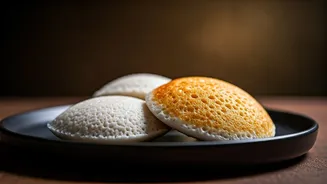
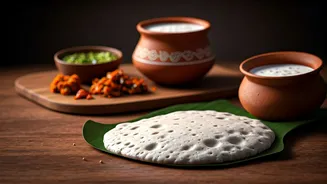
The heart of many beloved South Indian meals lies in a humble, bubbly batter. Dishes like the crispy, crepe-like dosa and the fluffy, steamed idli aren't just delicious; they're probiotic powerhouses. Both start with a simple mix of rice and lentils that
are left to ferment for hours, sometimes overnight. This natural fermentation process does two wonderful things. First, it populates the batter with beneficial lactic acid bacteria, the very same type of 'good guys' found in many probiotic supplements. Second, it starts to break down the starches and proteins, making the final dish easier to digest and its nutrients more available to your body. Even the popular Gujarati snack, dhokla—a savory, steamed cake made from fermented chickpea flour—follows the same principle. So when you’re enjoying that pillowy idli, you’re not just eating a carb; you’re consuming a food teeming with history and live cultures.
The Creamy Cooler: Dahi and Lassi
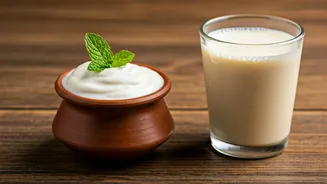
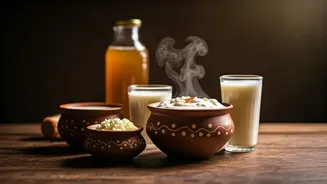
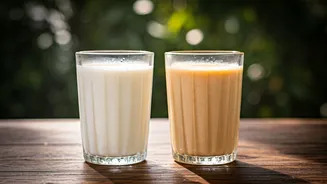
No Indian meal feels complete without a cooling counterpoint, and that's often where dahi (homemade yogurt or curd) comes in. Served on the side of a spicy curry, whipped into a refreshing raita with cucumber and mint, or blended into a savory or sweet lassi, dahi is perhaps the most obvious and accessible probiotic on the Indian plate. Unlike many commercially produced yogurts that can be loaded with sugar and pasteurized after fermentation (killing the live cultures), traditional homemade dahi is simply milk and a starter culture, brimming with live bacteria. It’s used to temper heat, aid digestion, and add a creamy, tangy richness to a meal. A simple bowl of dahi with a pinch of salt and roasted cumin is a classic digestif in its own right, proving that the best wellness hacks are often the simplest.
The Tangy Sidekick: Achar (Pickles)
Walk into any Indian grocery store and you'll find an entire aisle dedicated to achar, or Indian pickles. These intensely flavored, spicy, and sour condiments are a staple, but not all are created equal when it comes to gut health. The key is to look for pickles that are lacto-fermented, not simply preserved in vinegar. Traditional pickles made with ingredients like mango, lime, or chilies are often packed with salt and spices and left to cure in the sun. This age-old process encourages the growth of beneficial lactobacillus bacteria, which act as a natural preservative while creating a complex, tangy flavor and a probiotic-rich condiment. A tiny spoonful of authentic, fermented achar on the side of your dal and rice doesn't just add a jolt of flavor—it introduces a dose of diverse microbes to your gut microbiome.
The Drinkable Digestif: Kanji
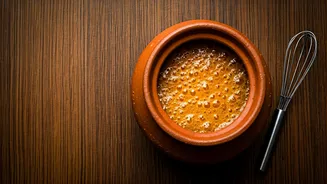
While lassi is the famous yogurt-based drink, the world of fermented Indian beverages goes much deeper. Enter kanji, a traditional North Indian drink that’s a testament to rustic fermentation genius. Typically made in the winter with dark purple 'kali gajar' (black carrots), water, salt, and ground mustard seeds, the mixture is left to ferment in a ceramic or glass jar in the sun for several days. The result is a tart, tangy, and deeply savory drink with a distinctive purple hue. The fermentation process, driven by the mustard seeds and natural yeasts, creates a beverage that’s not only a flavorful aperitif but is also traditionally consumed to aid digestion. It’s a perfect example of how fermentation was used not just for preservation but for creating functional, health-supportive foods and drinks.
Assembling Your Probiotic Plate
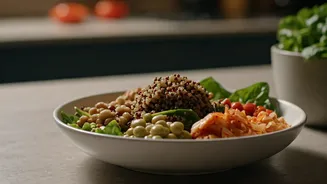
The real magic isn't in any single item, but in how they come together. An ideal 'probiotic plate' is a balanced ecosystem. You might have a dosa (probiotic) served with sambar, a lentil stew rich in fiber (prebiotic fuel for your gut bacteria). On the side, a small bowl of raita (probiotic) and a spoonful of fermented mango pickle (probiotic) add layers of flavor and microbial diversity. This combination of probiotic-rich fermented foods and prebiotic-rich vegetables, lentils, and whole grains is the essence of the traditional Indian approach to eating. It’s not about isolating a single 'superfood,' but about creating a synergistic meal where every component plays a role in delivering flavor, nourishment, and gut-friendly benefits. It's a system that has been naturally promoting digestive wellness long before 'gut health' became a buzzword.