



Start with Compression Cubes
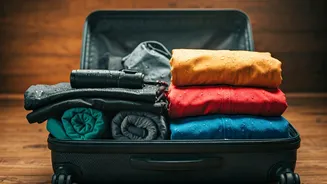
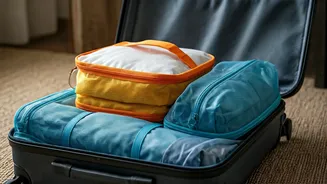
The foundation of any organized suitcase is the packing cube, but for humid destinations, they serve a dual purpose. First, they bring order, allowing you to group items by type—shirts in one, bottoms in another, undergarments in a third. This modular
system makes finding what you need effortless, preventing you from rummaging through your entire bag and exposing everything to damp air. Second, choose compression cubes. By squeezing out excess air, they not only save a surprising amount of space but also create a less permeable barrier for your clothes. While not fully waterproof, a tightly packed nylon cube offers significant protection against the ambient moisture that can make fabrics feel perpetually clammy. When you arrive, you can move the cubes directly into drawers, keeping your clothes contained and protected from musty hotel furniture.
Create a Fortress with Dry Bags
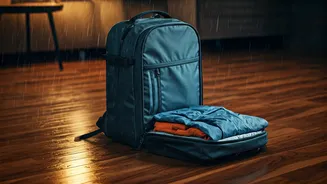
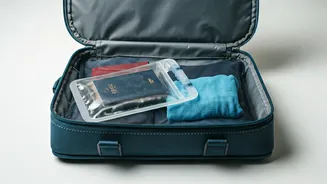
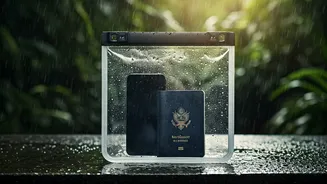
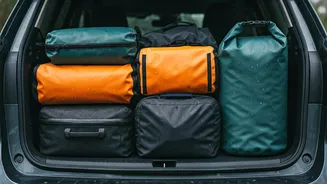
Don't mistake dry bags as gear exclusively for kayakers and campers. For a monsoon-season trip, a lightweight dry bag is your non-negotiable insurance policy. These roll-top sacks are designed to be fully waterproof, making them the perfect fortress for your most vulnerable items. Dedicate one small dry bag (around 2-5 liters) for your 'disaster kit': your passport, backup credit cards, any essential medication, and a portable battery pack. If you get caught in a downpour or your luggage sits on a wet tarmac, these critical items remain completely protected. A second, slightly larger dry bag can house your primary electronic devices, like a camera, Kindle, or tablet. It’s a small, inexpensive step that provides total peace of mind, turning a potential trip-ruining moment into a minor inconvenience.
Tame the Tech with a Dedicated Pouch
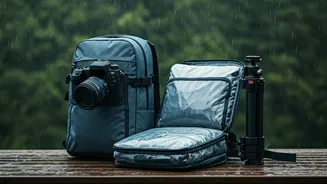
In wet weather, disorganized electronics are more than just an annoyance; they're a liability. Cords, chargers, and adapters thrown loosely into a bag are prone to damage from condensation or accidental spills. An electronics organizer—a padded, zippered pouch with multiple elastic loops, mesh pockets, and dividers—is the command center for your tech. It keeps your charging bricks, cables, international adapters, and headphones neatly separated and easy to find. More importantly, the contained, often water-resistant case provides a crucial layer of defense. You’ll never again have to frantically untangle a damp cord in a dim hotel room or worry that a leaky water bottle has zapped your only phone charger.
Prevent Spills with a Smart Toiletry Kit
A toiletry bag leak is bad on any trip; in a humid climate, it’s a sticky, semi-permanent disaster. Upgrade to a hanging toiletry bag with clear, waterproof compartments. The hanging design is a game-changer in small, steamy bathrooms, keeping your essentials off wet countertops and easily accessible. The segregated plastic pockets mean that if a shampoo bottle explodes, the mess is contained to one section, saving the rest of your kit. It also helps you stay organized. Keep liquids on one side, dry goods like cotton swabs and makeup on another, and your toothbrush and toothpaste in an external pocket. This system minimizes time spent with your bag open, again reducing exposure to humid air.
Embrace the 'Wet/Dry' Pouch
Every rainy-season packing list needs a secret weapon: the dedicated 'wet/dry' pouch. This is where you’ll quarantine items that become casualties of the weather. Think of it as a mobile isolation chamber. Did you get caught in a sudden storm? Your drenched socks and the outer layer of your jacket go straight into this pouch. Took a final swim before heading to the airport? Your damp swimsuit has a home that won't make everything else in your luggage smell like chlorine and mildew. These bags are typically made with a waterproof lining that keeps moisture locked in, protecting the rest of your belongings. It’s an elegant solution to the age-old problem of what to do with the wet stuff, and it’s infinitely better than the default—a flimsy, non-breathable plastic grocery bag.