



1. High-Performance Wiper Blades
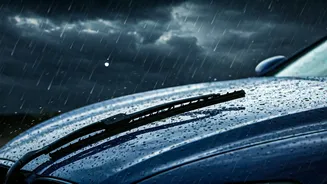
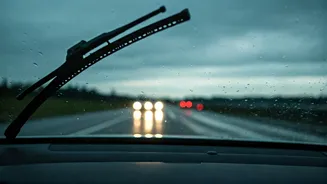
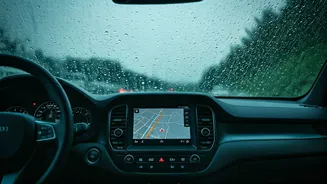
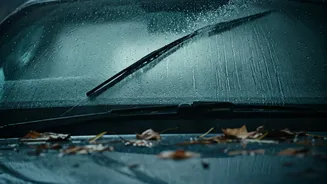
Your first line of defense against a downpour isn't just a new pair of wipers—it's the *right* pair. Standard, frame-style wipers have multiple pressure points that can wear unevenly, leading to streaks and chattering right when you need a clear view.
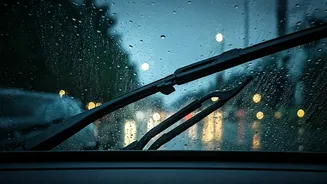
An upgrade to modern beam-style blades is a game-changer. These wipers are designed with a solid, one-piece construction that applies uniform pressure across the entire blade. The result is a cleaner, quieter wipe, especially at highway speeds where wind can lift conventional wipers off the glass. They also perform better in winter, as their sleek design prevents ice and snow from building up in a clunky frame. For a relatively small investment, beam blades provide a massive and immediate improvement in visibility and driver confidence.
2. Hydrophobic Glass Treatment
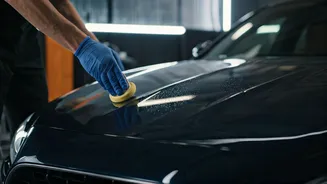
This might be the most underrated upgrade for rainy weather. A hydrophobic glass treatment is a polymer coating you apply to your windshield that causes water to bead up and roll right off. Think of it like waxing a car, but for your glass. At speeds over 35-40 mph, the airflow over your car is often enough to blow the water beads away without you even needing to use your wipers. This dramatically improves visibility and reduces the distraction of constantly moving blades. While DIY spray-on products offer a good temporary effect, a professionally applied or more durable consumer product can last for months. It makes driving in light to moderate rain significantly less taxing and acts as a powerful backup to your wipers in a heavy deluge.
3. Tires with Superior Wet Traction
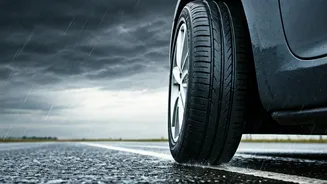
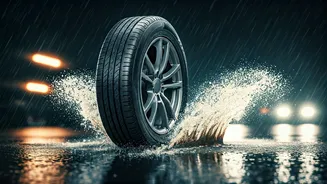
Your tires are the only part of your car that actually touches the road, and their ability to handle water is critical. Hydroplaning—when a layer of water builds up between your tires and the road surface, causing a loss of traction and control—is a serious risk. While any tire with legal tread depth is better than a bald one, an upgrade to tires specifically engineered for wet performance makes a world of difference. Look for tires with deep, circumferential grooves, which are designed to channel water out from under the contact patch. High-silica rubber compounds also improve grip on slick surfaces. You don't necessarily need expensive, high-performance summer tires; many top-tier all-season models now boast excellent wet-weather ratings. Check professional reviews and the tire's official specs for its wet-traction grade before you buy.
4. All-Weather Floor Liners
This upgrade is less about visibility and more about preserving your sanity and your car's interior. During a rainy season, you're constantly tracking in water, mud, and debris. Standard cloth floor mats quickly become saturated, leading to a musty smell, potential mold growth under the carpet, and a permanently stained interior. Custom-fit, all-weather floor liners are a worthy investment. Unlike generic flat mats, these liners are laser-measured to fit the exact contours of your car's footwells, with raised edges that contain spills and melted slush. They create a waterproof basin that captures everything, protecting your carpet from damage. When they get dirty, you simply pull them out, hose them off, and they're good as new. It's a simple upgrade that keeps your car clean and helps maintain its resale value.
5. Brighter, Better-Aimed Headlights
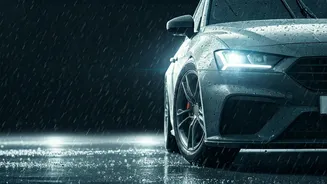
Heavy rain and road spray create a curtain of water that can severely limit how far you can see, especially at night. If your car has older, dimmer halogen bulbs, upgrading to a quality set of LED or HID bulbs can dramatically improve your ability to see—and be seen. Modern bulbs produce a brighter, whiter light that cuts through the gloom more effectively, illuminating lane lines, road signs, and potential hazards much earlier. However, this upgrade comes with a critical responsibility: proper alignment. A brighter bulb in a poorly aimed headlight housing will blind oncoming drivers, creating a danger for everyone. If you upgrade your bulbs, ensure your headlights are professionally aimed. The goal is to light up the road ahead, not the cabins of other cars.