


More Than Just Using Leftovers
First, let’s get one thing straight: no-waste cooking isn’t just about reheating last night’s casserole. It’s a full-blown culinary philosophy centered on using every part of an ingredient. Think “root-to-stem” for vegetables and “nose-to-tail” for animals.
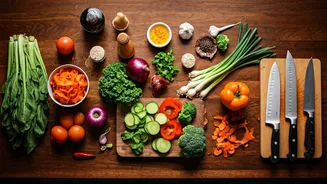
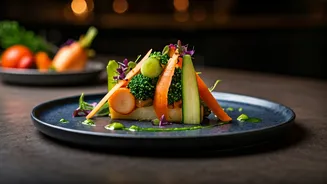
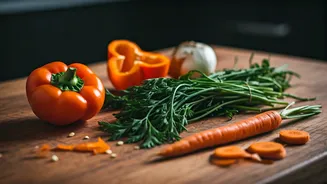
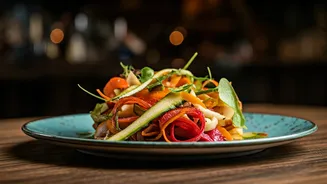
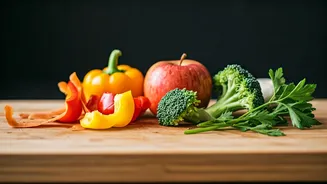
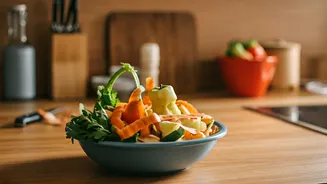
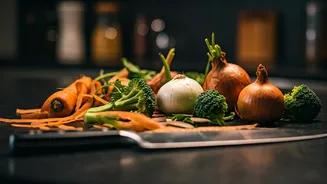
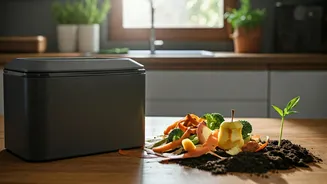
In these burgeoning classes, students learn to see potential where they once saw trash. That broccoli stalk you’ve been tossing? It can be shaved into a crisp, delicious slaw. Those carrot tops? They’re the base for a vibrant, peppery pesto. Even coffee grounds can be repurposed into everything from steak rubs to garden fertilizer. This isn't a new concept—our grandparents and great-grandparents were masters of frugality out of necessity. But its modern revival is less about grim austerity and more about creative empowerment. It reframes cooking as a puzzle: how can you transform what you already have into something new and exciting? Instead of a restrictive chore, it becomes a game of ingenuity, turning kitchen scraps into gourmet gold.
The Perfect Storm of Modern Anxieties
So why is this trend taking off right now? It’s a perfect storm of economic, environmental, and cultural pressures. The most obvious driver is sticker shock at the grocery store. As food prices climb, the average American household is looking for any way to stretch their budget. According to the USDA, a significant portion of the food purchased in the U.S. ends up in the trash, representing hundreds, if not thousands, of dollars wasted per family each year. A no-waste approach offers a direct, tangible way to fight back against inflation, making every dollar spent on groceries go further. Then there’s the growing eco-consciousness, particularly among Millennials and Gen Z. The environmental cost of food waste is staggering—it’s a major contributor to methane emissions in landfills. For a generation grappling with climate anxiety, adopting a no-waste lifestyle feels like a concrete, positive action they can take in their own homes. It’s a small-scale solution to a global-scale problem, which feels both manageable and meaningful.
What You Actually Learn in Class
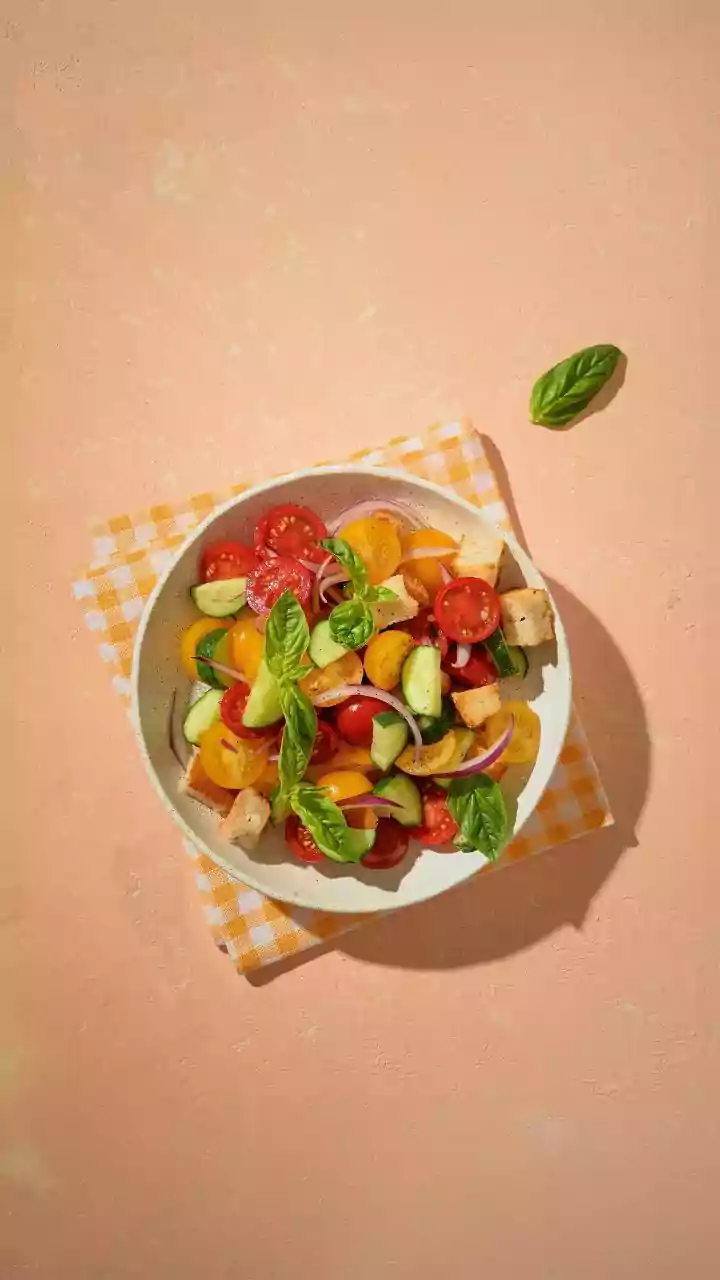
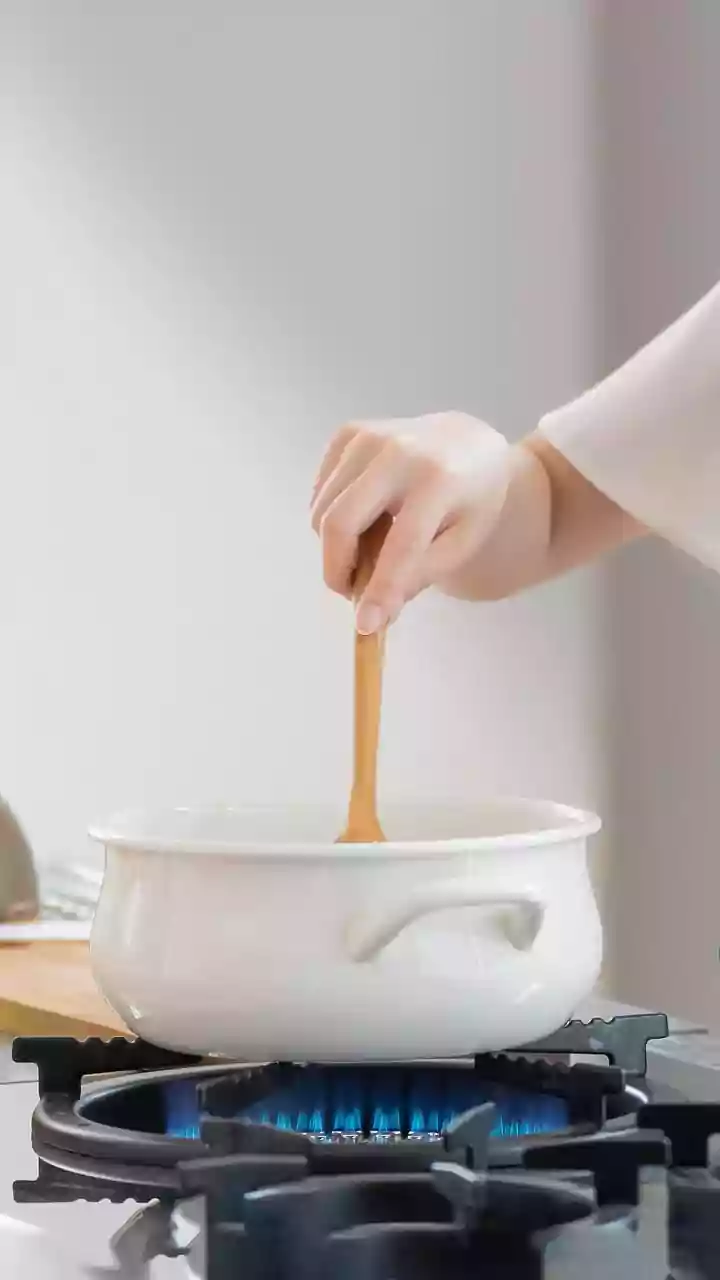
Walk into a no-waste cooking class, and you’ll find a curriculum that’s both practical and surprisingly sophisticated. Instructors, from local chefs to community garden leaders, teach techniques that unlock hidden flavors. A common lesson is mastering broths and stocks. Students learn to save vegetable peels, onion skins, celery ends, and herb stems in a freezer bag, simmering them later into a rich, flavorful base for soups and sauces—far superior to anything from a carton. Another focus is preservation. You’ll learn how to quick-pickle almost any vegetable, turning limp radishes or carrots into zesty, crunchy snacks. You’ll discover how to make “oleo-saccharum,” a bartender’s secret, by using sugar to extract flavorful oils from citrus peels for use in cocktails and lemonades. Stale bread becomes the hero ingredient in Italian Panzanella salad or hearty Ribollita soup. Cheese rinds are simmered in tomato sauce to add an umami depth bomb. These aren't just tricks; they're foundational skills that transform you into a more resourceful and intuitive cook.
From Michelin Stars to Your Local Kitchen
The movement owes a debt to high-profile chefs like Massimo Bottura, whose “Food for Soul” project turned surplus food into meals for the needy, and Dan Barber of Blue Hill, who championed the farm-to-table (and root-to-stem) ethos. What started in the temples of fine dining has now democratized, trickling down into community kitchens, culinary schools, and online tutorials across the country. Today’s no-waste evangelists are just as likely to be food bloggers on TikTok or instructors at a local library as they are to be world-famous chefs. They’re making the philosophy accessible and demonstrating that you don’t need a fancy kitchen or expensive ingredients to participate. All you need is a shift in perspective: to see a potato peel not as waste, but as a future crispy chip.