
The Myth of the Marathon Meal
Somewhere along the line, we absorbed the idea that the value of a shared meal is directly proportional to the host’s suffering. The more hours spent chopping, braising, and baking—the more love is supposedly on the plate. This is the gospel of the Sweaty
Kitchen Marathon, a holdover from a time of formal dinner parties and performative domesticity. It’s the belief that a truly impressive meal requires a dozen ingredients, multiple complex steps, and a small mountain of dirty dishes. But let’s be honest about what this marathon actually produces. It creates a stressed, distracted host who is more of a frantic line cook than a participant in the gathering. Conversations are cut short by oven timers. Joy is supplanted by anxiety over whether the soufflé will fall. We’ve been sold a vision of hospitality that prioritizes culinary acrobatics over human connection, and frankly, it’s exhausting. The goal isn’t to create a restaurant-quality tasting menu; it’s to bring people together.
Embracing the Art of Assembly
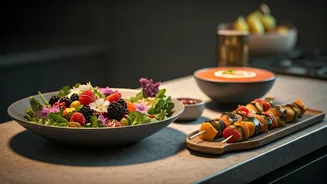
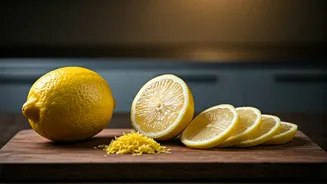
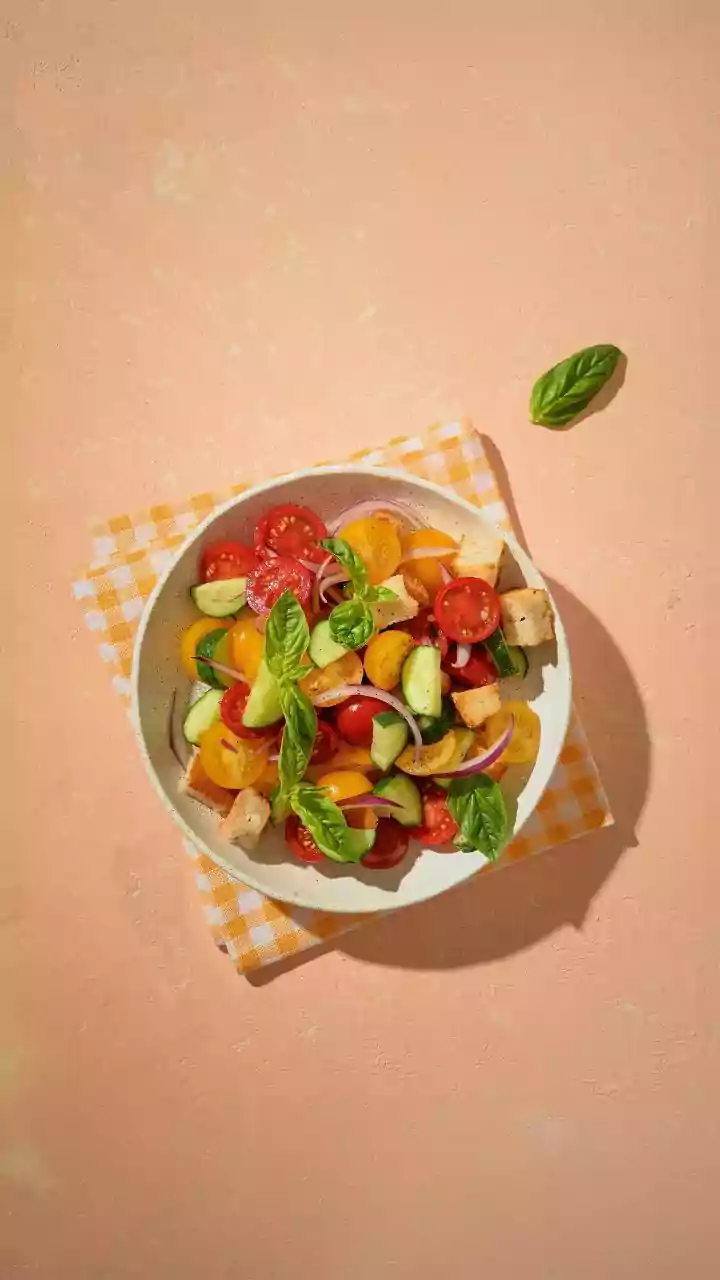
The alternative isn’t a sad, lazy dinner. It’s a “light plate,” and it’s an art form in its own right. This isn’t about 'not cooking'; it’s about 'less cooking.' It’s a philosophy centered on curation instead of complication. Think of it as the art of assembly. You’re not building a dish from scratch so much as you are gathering perfect, simple components and letting them shine together. A truly great light plate relies on the confidence of its ingredients. A sun-ripened heirloom tomato needs nothing more than a flake of sea salt and a drizzle of good olive oil. A creamy, briny feta doesn't need to be whipped into a dip; it can be served in a slab, showered in herbs and lemon zest. Prosciutto, melon, a fantastic loaf of bread, a bowl of chilled olives—these aren’t just appetizers. Arranged with care, they *are* the meal. This approach shifts the effort from the kitchen to the market, rewarding you for finding the best seasonal produce or that one perfect cheese.
What a 'Light Plate' Looks Like
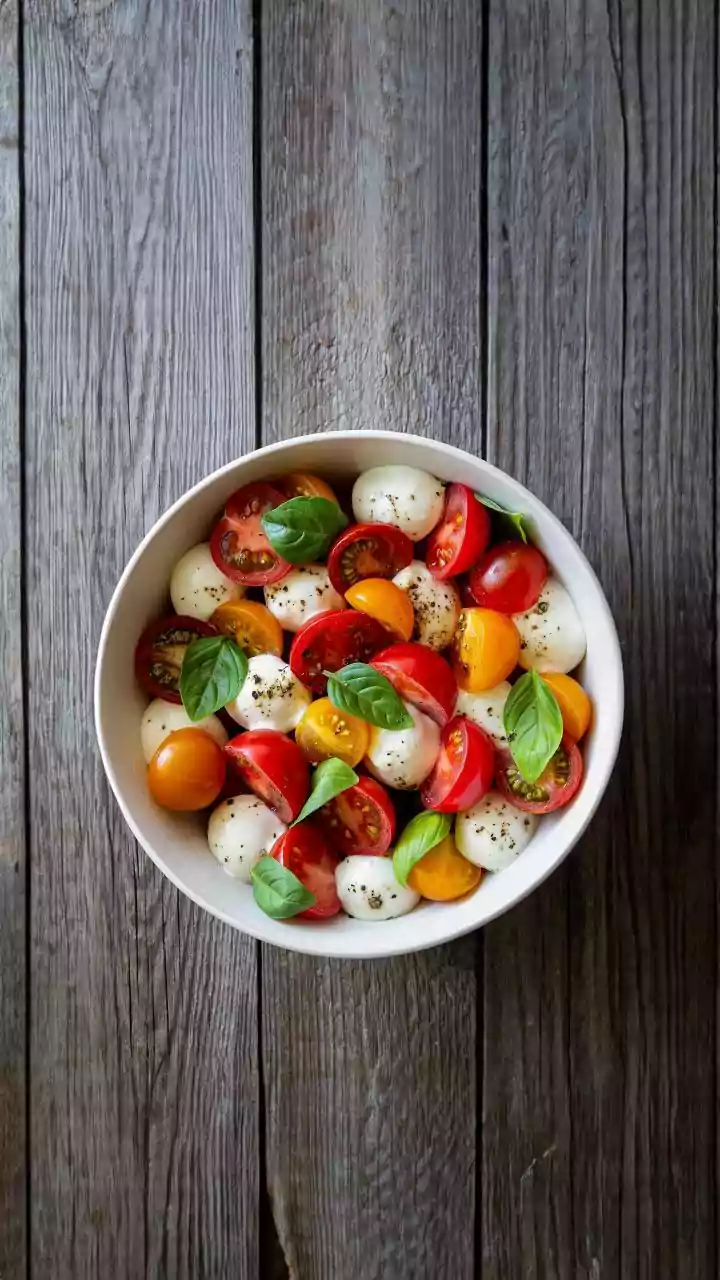
This philosophy can take many forms, freeing you from the confines of a single main course. It’s about creating a landscape of delicious things to graze on. We’ve seen this explode in popularity with trends like charcuterie boards and the viral “girl dinner,” which are just mainstream expressions of this core idea: simple, good things, eaten without fuss. Consider the possibilities for your next gathering: * **The Mediterranean Board:** A block of feta, marinated artichoke hearts, Kalamata olives, fresh hummus, sliced cucumbers, and warm pita bread. It’s a complete, satisfying meal that requires zero time over a hot stove. * **The Caprese Deconstructed:** Instead of meticulously layered slices, try a bowl of sweet cherry tomatoes, torn balls of fresh mozzarella, a handful of basil leaves, and a bottle of excellent balsamic for drizzling. * **The Ploughman's Lunch:** A classic British concept that is pure light-plate genius. A wedge of sharp cheddar, a crisp apple, some pickled onions, a dollop of chutney, and crusty bread. Hearty, delicious, and entirely assembled.
More Presence, Less Performance
Ultimately, opting for a light plate is a vote for presence over performance. When you’re not managing three different timers and a sink full of pots, you can actually sit with your friends. You can listen to their stories without one ear cocked toward the kitchen. You can pour another glass of wine and laugh without a cloud of culinary anxiety hanging over your head. The food becomes a beautiful, effortless backdrop for the main event: the connection. Your guests don’t want to see you suffer. They want your company. They want to feel relaxed and welcome, and that’s impossible when the host is radiating stress. A simple, beautiful spread of food sends a clear message: “I’m so glad you’re here, and I’m going to enjoy this time with you.” That is a far more powerful expression of love than any complicated, time-consuming dish could ever be.