


The Problem with 'One-Size-Fits-All'
Let’s be honest: the traditional, large-group tour has its place. It’s efficient and can feel safe for first-time visitors. But for many culture-focused travelers, its flaws have become glaring. You’re herded from one photo op to the next on a rigid schedule,
listening to a canned script through a crackling headset. You spend more time navigating souvenir shops than engaging with actual residents. The experience is often wide but incredibly shallow. This model treats destinations like a checklist. See the Eiffel Tower? Check. The Colosseum? Check. But it misses the *why*. It overlooks the quiet neighborhood cafe where artists gather, the generational stories behind a market stall, or the rhythm of daily life that gives a city its soul. Today’s traveler isn’t content to just see the sights; they want to understand the place, and the generic tour bus simply can’t deliver that depth.
What's In: Hyper-Specific Niche Tours
Instead of a 'Best of Rome' tour, culture lovers are now seeking out a 'Caravaggio in Rome' art history walk. Rather than a general city overview, they're booking a tour of Bauhaus architecture in Tel Aviv or a guided exploration of Nashville's historic recording studios. These hyper-niche tours are built for people with existing passions. The guides are often true experts—academics, artists, or industry veterans—not just professional sight-showers. The groups are small, fostering discussion and a shared sense of discovery among people who genuinely care about the subject. This approach transforms travel from a passive survey into an active, intellectual pursuit. It’s about connecting a personal interest with a new place, making the experience exponentially more rewarding.
What's In: Skill-Based Immersions
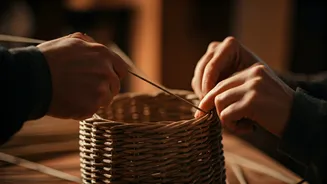
Why just eat pasta in Bologna when you can learn to make it from a local nonna? This is the core principle behind the boom in skill-based travel. Instead of simply observing a culture, travelers want to participate in it. These experiences go beyond the typical cooking class. Think multi-day workshops on traditional weaving in Oaxaca, a lesson in bonsai trimming from a master in Kyoto, or learning the basics of flamenco from a dancer in Seville. The souvenir isn't a trinket; it's a new ability and a deeper appreciation for the craftsmanship and tradition behind a cultural practice. This hands-on approach creates powerful, lasting memories that a simple photograph never could. It’s the difference between watching a movie about a place and being given a small role in it.
What's In: 'Day in the Life' Local Experiences
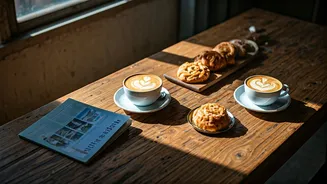
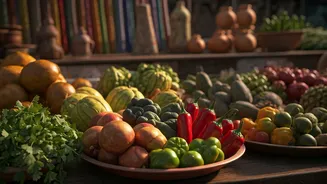
Perhaps the biggest shift is the move toward experiences that feel less like a tour and more like hanging out with a knowledgeable friend. Platforms like Airbnb Experiences and a host of smaller, local-led companies have tapped into this desire for authenticity. Here, the 'attraction' might be as simple as a morning spent browsing a neighborhood market with a chef, an evening of bar-hopping in a non-touristy district with a musician, or a hike to a local's secret viewpoint. These outings prioritize conversation and unscripted moments over historical lectures. You’re not a tourist being catered to; you’re a guest being welcomed. It’s a powerful way to break through the transactional nature of tourism and form a genuine human connection, gaining insight into what it’s actually like to live in that city.
What's In: The Self-Guided Digital Path
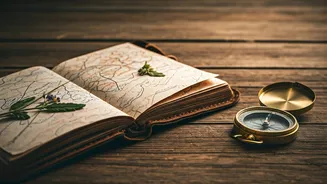
For the independent-minded, the best tour guide is now in their pocket. Armed with curated travel blogs, specialized podcasts (like audio walking tours), and sophisticated mapping apps, many travelers are ditching organized tours altogether. They're crafting bespoke itineraries tailored precisely to their own pace and interests. This allows for ultimate flexibility—lingering longer at a small museum that captivates them or making a spontaneous detour to a bakery they just read about. While it requires more upfront research, the payoff is a sense of ownership over the journey. They aren’t just following a path; they are creating their own, leading to a more personal and often more adventurous experience.