







Why Hydration Got an Upgrade
For decades, the advice was simple: drink eight glasses of water a day. That one-size-fits-all guidance is being replaced by a more personalized, sophisticated approach. The shift is driven by a broader wellness culture that champions optimization. We
track our sleep, our steps, and our screen time, so why not our fluid intake? The rise of electrolyte powders in eye-catching packaging, apps that send you drinking reminders, and 'smart' water bottles that glow to get your attention have turned hydration into an interactive, even fashionable, pursuit. This isn't just about avoiding dehydration anymore; it’s about proactively managing energy levels, improving cognitive function, and boosting skin health. The modern hydration conversation acknowledges that needs vary drastically from person to person. A construction worker in Arizona has different requirements than an office worker in Seattle, and the new tools and mindset finally make it easy to address that.
What a 'Hydration Plan' Actually Is
Forget complex charts and spreadsheets. For the average person, a hydration plan is simply a conscious strategy for fluid intake. Instead of drinking sporadically or only when you feel parched (a sign you’re already slightly dehydrated), a plan helps you be more intentional. It encourages you to think about three key things: how much, what, and when. It moves beyond just water, incorporating the hydrating power of foods like watermelon and cucumber, and acknowledging the role of beverages like herbal tea or milk. A good plan also considers when you might need an extra boost. For example, it might involve drinking a full glass of water upon waking to rehydrate after sleep, ensuring you drink before, during, and after a workout, or adding an electrolyte supplement after an hour of intense, sweaty exercise. It’s less of a rigid rulebook and more of a mindful framework tailored to your body and daily routine.
Do You Really Need One?
Let’s be clear: for many healthy, sedentary adults in temperate climates, the simple act of drinking when thirsty is often sufficient. Our bodies are equipped with a finely tuned thirst mechanism that works well for basic needs. However, a structured plan can be a game-changer for many others. You might benefit from a plan if you: frequently experience afternoon slumps, headaches, or brain fog; are physically active and sweat regularly; live in a hot or dry climate; are pregnant or breastfeeding; or simply want to optimize your overall feeling of well-being. A hydration plan isn't about fixing a problem that doesn't exist. It's about moving from a reactive state (drinking because you're thirsty) to a proactive one (drinking to maintain peak performance, focus, and energy throughout the day). It’s an act of tuning into your body's needs before it has to send you urgent, uncomfortable signals.
How to Build Your Own Simple Plan
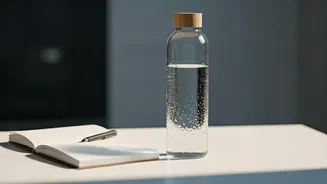
Creating a plan is easier than it sounds. Start with a baseline: a common guideline is to drink about half your body weight in ounces of fluid per day. If you weigh 160 pounds, that’s 80 ounces (or ten 8-ounce glasses). Use this as a starting point, not a strict rule. Next, adjust for your life. Add about 12-16 ounces for every 30 minutes of moderate exercise. If it’s hot or you're sweating a lot, you’ll need more. Then, think about timing. 'Bookending' your day is a great strategy: start with a large glass of water right after you wake up and have another before bed. During the day, try to sip consistently rather than chugging large amounts at once. Use a marked water bottle to help you pace yourself. Finally, consider your sources. About 20% of our fluid intake comes from food. Incorporate hydrating foods like berries, citrus fruits, and leafy greens. Reserve electrolyte drinks for times of significant sweat loss—water is usually enough for everyday sipping.