






The Old Travel Playbook
For decades, the formula for visiting the Andaman and Nicobar Islands, a remote Indian archipelago in the Bay of Bengal, was simple. You went during the dry season. Running from roughly November to April, this period promised calm seas, sun-drenched skies,
and ideal conditions for diving, snorkeling, and island-hopping. The monsoon season, from May to October, was a clear no-go zone, marked by torrential rains, high winds, and ferry cancellations that could leave you stranded. Travelers booked their flights and hotels months in advance, confident that a January trip meant perfect weather. This predictability turned remote specks of land like Havelock (Swaraj Dweep) and Neil (Shaheed Dweep) into bucket-list destinations for scuba enthusiasts and beach lovers from around the globe. The tourism industry was built on this reliable climatic clock. But that clock is now broken.
A Climate of Uncertainty
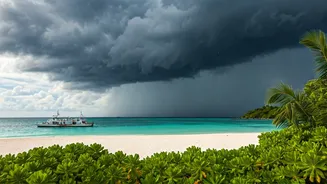
The Bay of Bengal has always been a hotbed for cyclones, but climate change is intensifying the situation, making weather patterns across the region more volatile and harder to predict. The clear, sharp line between a “safe” dry season and a “risky” monsoon season has blurred. Today, travelers face the potential for unseasonal cyclones, sudden, intense downpours in the middle of peak season, and rough seas that disrupt inter-island ferry services—the lifeline of any Andaman itinerary. In recent years, freak weather events have become more common. A cyclone in December, once a rarity, is now a plausible threat that has prompted mass tourist evacuations. A sunny week in February can be abruptly shattered by a multi-day storm that grounds all boats. This doesn’t mean the islands are perpetually battered by storms, but it does mean the element of chance has increased dramatically. Relying on the old November-to-April rule is no longer just naive; it’s a gamble with your safety and your vacation investment.
Finding Your 'Smarter' Window
So what does a “smarter weather window” look like? It’s less about picking the “perfect month” and more about adopting a flexible, informed, and resilient travel strategy. The best time to go is now a combination of time of year, trip duration, and personal risk tolerance. The core of the traditional high season, from mid-December to mid-March, still offers the highest probability of good weather, but with no guarantees. The shoulder months—November and April—present a classic trade-off: fewer crowds and lower prices, but a statistically higher chance of encountering disruptive weather. A smarter approach involves planning for shorter, more focused stays on a single island rather than a whirlwind tour of many. This minimizes your reliance on ferry schedules. If a storm does roll in, you’re in a comfortable hotel with resources, not stuck in transit. It also means actively monitoring weather forecasts from reliable sources like the Indian Meteorological Department (IMD) in the two weeks leading up to your trip, not just when you book.
Your New Andaman Travel Checklist
Adapting to this new reality requires a shift in how you plan and pack. Here are the new essentials for any Andaman trip: **1. Prioritize Flexibility:** Book flights and, crucially, hotels that offer refundable or flexible cancellation policies. The ability to change your plans at the last minute without a huge financial penalty is your single greatest asset. **2. Get Comprehensive Travel Insurance:** Don’t just get any policy. Read the fine print to ensure it explicitly covers trip cancellations and interruptions due to weather events, including cyclone warnings. Many standard policies have exclusions you don’t want to discover during an emergency. **3. Build in Buffer Days:** If your itinerary absolutely requires a ferry trip, build an extra day or two into your schedule on either side. A one-day delay due to rough seas is common; you don’t want it to cause you to miss your flight home. **4. Lean on Local Experts:** A good local dive shop or tour operator has their finger on the pulse of the islands. They know the microclimates, understand the ferry captains’ decisions, and can give you real-time advice that no weather app can match. Use them as a resource before and during your trip. **5. Pack for All Seasons:** Even if you’re traveling in peak “dry” season, pack a high-quality rain jacket and a dry bag for your electronics. A sudden squall can soak you and your gear in minutes.