


Beyond Barbecue and Cheddar
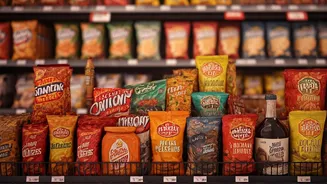
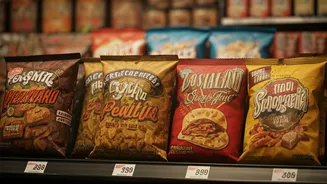
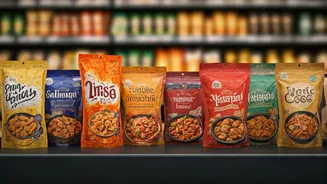
For decades, the American snack aisle was a predictable place. You had your classic potato chips, your zesty cheese puffs, and if you were feeling adventurous, maybe a jalapeño-flavored kettle chip. That era is definitively over. Today, that same aisle is a vibrant,
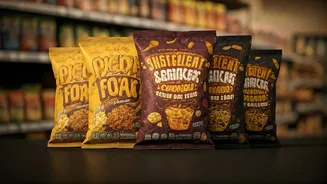
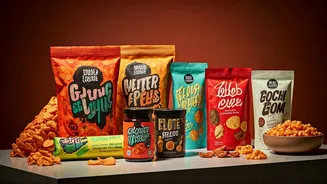
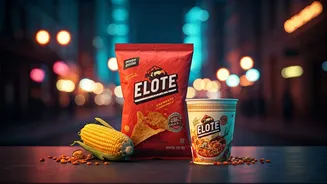
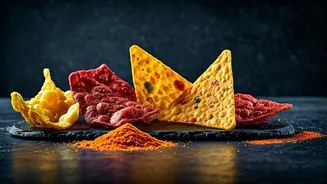
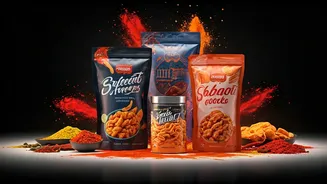
sometimes bewildering, culinary map. The new kings of crunch aren't generic concepts like 'spicy'; they are hyper-specific, regional, and authentic street-food profiles. We’re talking about the tangy, creamy, chili-dusted magic of Mexican elote (street corn) on everything from corn nuts to potato chips. We’re seeing the rich, complex, and savory notes of birria—a slow-braised Mexican stew—captured in the seasoning of a tortilla chip. These aren't just flavors; they're experiences. Brands like Trader Joe’s, with its wildly popular 'Elote Corn Chip Dippers,' and Frito-Lay, which has experimented with everything from 'Spicy Street Taco' Doritos to regional specialties, are leading the charge. This isn't a niche phenomenon; it's the new mainstream.
The Social Media-to-Supermarket Pipeline
So, why now? The answer, like so many modern trends, lies in our phones. Social media platforms, particularly TikTok and Instagram, have become global food courts. A food truck in Queens serving up incredible chicken and rice can go viral overnight, creating a nationwide craving. A home cook’s birria taco recipe can rack up millions of views, introducing a regional specialty to a massive new audience. Food has always been shareable, but the speed and scale are unprecedented. Younger consumers, primarily Millennials and Gen Z, are driving this shift. Raised on a more diverse culinary landscape and armed with a desire for authentic, story-driven experiences, they don't just want a snack; they want a taste of a culture. For them, trying a gochujang-flavored almond is a low-stakes way to explore the sweet and spicy world of Korean cuisine. This 'culinary tourism' from the couch, a trend supercharged during the pandemic, has created a built-in market for CPG companies savvy enough to listen.
Cracking the Flavor Code
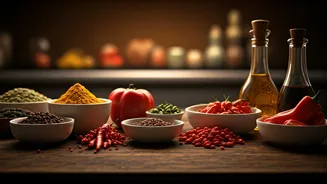
Translating a beloved street food into a dry seasoning for a shelf-stable snack is a monumental feat of food science. The challenge is capturing not just a single taste, but a complex profile. Elote, for example, isn't just corn and chili. It's the interplay of sweetness from the corn, creaminess from the mayo or crema, saltiness from the cotija cheese, acidity from the lime, and a kick from the chili powder. Food technologists and flavor houses work meticulously to deconstruct these experiences into powders and oils that can be evenly dusted onto a chip. They have to balance authenticity with broad appeal. A flavor might need to be toned down slightly to avoid alienating less adventurous palates, but not so much that it loses its soul. The success of brands like Takis, which refused to dilute its intense chili-lime punch, proved there’s a massive appetite for bold, unapologetic flavors. Now, the big players are learning that same lesson: Americans are ready for the real deal.
The Next Wave of Taste
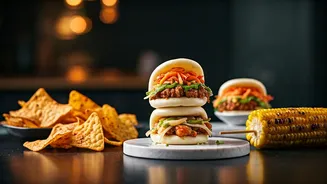
This flavor revolution isn't confined to the chip aisle. Look closely, and you'll see its influence spreading across the entire grocery store. It's in the freezer section, with frozen dumplings and bao buns featuring complex, regional fillings. It’s in the condiment aisle, where sriracha now sits alongside gochujang, sambal, and various chili crisps. You can find it in marinades for shawarma, pre-packaged kits for Thai green curry, and even in beverages inspired by Latin American agua frescas. The success of street-food snacks has acted as a gateway, proving to retailers and manufacturers that consumers are not just willing, but eager, to explore the world through their taste buds. Expect to see this trend deepen, with even more specific regional flavors from Southeast Asia, South America, and Africa making their debut. The next time you see a flavor you don't recognize, you’re not just looking at a new snack—you’re looking at the future of American food.