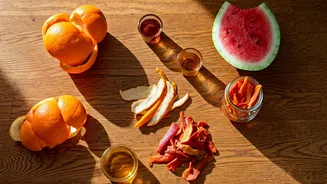

1. Citrus Peels: The All-Around Workhorse
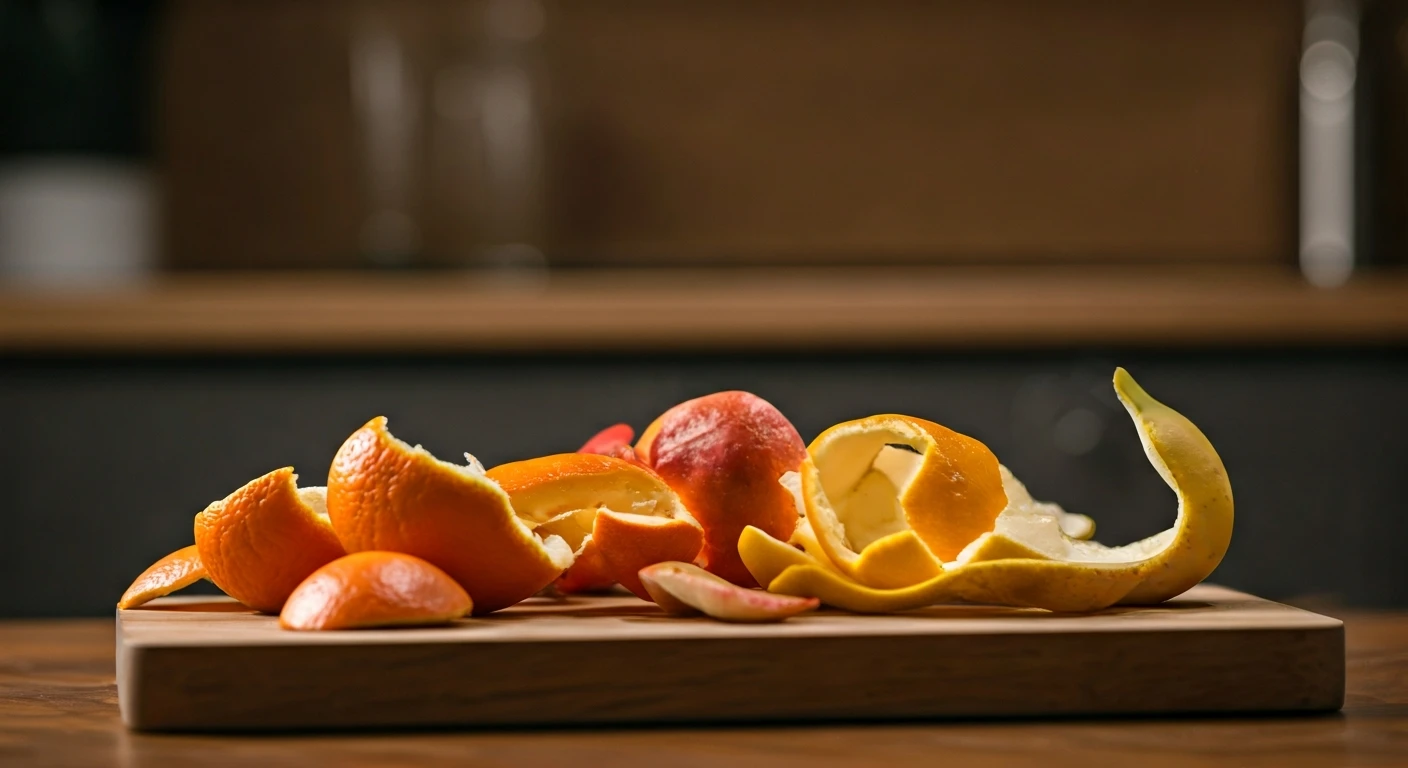
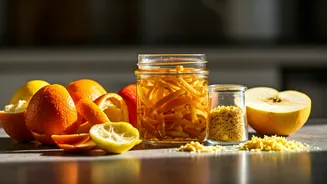
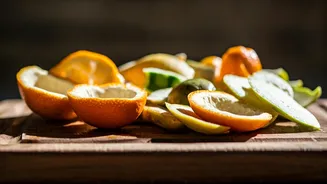
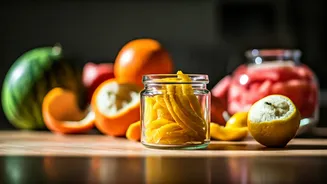
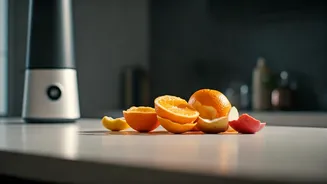
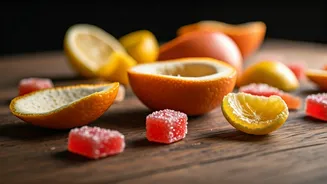
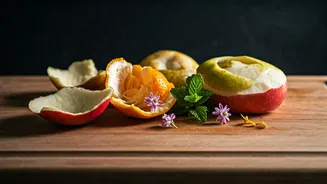
Citrus peels are the gateway to the world of scrap cooking. Their potent essential oils are packed with flavor that’s a shame to waste. The most classic transformation is making candied peels. By simmering orange, lemon, or grapefruit peels in a simple
syrup, you create chewy, sweet-tart morsels perfect for garnishing desserts, chopping into baked goods, or dipping in chocolate. To do this, you must first remove the bitter white pith. Use a vegetable peeler to get thin strips of just the zest, or boil thicker peels multiple times, changing the water to mellow them out. Beyond candy, citrus peels are the key to oleo saccharum, a bartender's secret weapon. Simply muddle your peels with sugar and let them sit for a few hours. The sugar will draw out the oils, creating a intensely fragrant, syrupy base for cocktails, lemonade, or iced tea. You can also dry the peels and grind them into a powder for seasoning blends or toss them into a jar with vinegar to create a vibrant, all-purpose cleaning solution or a zesty salad dressing base.
2. Watermelon Rinds: The Ultimate Summer Pickle
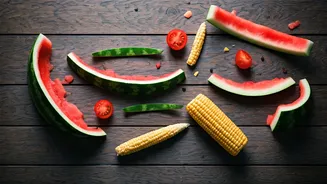
The thick, white rind of a watermelon, which makes up a significant portion of the fruit's weight, is completely edible and surprisingly versatile. Its firm, crisp texture and neutral flavor make it the perfect canvas for pickling. Pickled watermelon rind is a classic Southern delicacy for a reason—it’s sweet, tangy, and refreshingly crunchy. The process is straightforward. First, remove the tough green outer skin, leaving just the white part. Cut it into one-inch cubes and boil them until tender. Then, submerge them in a brine of vinegar, sugar, water, and spices like cinnamon, cloves, and star anise. After a day or two in the fridge, you'll have a unique condiment that pairs beautifully with grilled meats, cheese boards, or chopped into a summer salad for a surprising pop of flavor.
3. Stone Fruit Skins: A Sweet, Subtle Infusion
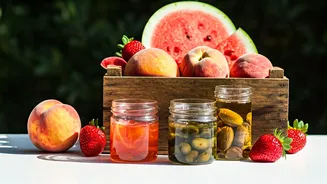
When you peel peaches for a pie or nectarines for a jam, don't let those fragrant skins go to waste. While they aren't great for eating on their own, their delicate floral and fruit notes are perfect for infusions. Collect your peach, plum, or nectarine skins in a small saucepan, cover them with just enough water and a bit of sugar, and simmer gently for about 15-20 minutes. The result is a beautiful, blush-colored syrup that captures the essence of summer. Strain it and store it in the fridge. This stone fruit syrup is fantastic drizzled over vanilla ice cream, stirred into yogurt, or used to sweeten iced tea and sparkling water. It’s an effortless way to add a gourmet touch to everyday treats.
4. Banana Peels: The Savory Surprise
This one may sound strange, but stay with us. Banana peels have gained viral fame for their ability to mimic savory textures, most notably as a plant-based substitute for pulled pork or bacon. The key is preparation. You'll want to use peels from ripe but not overly browned organic bananas. Scrape out any of the white, stringy pith from the inside, as it can be bitter. For a “pulled pork” effect, shred the peels with a fork and simmer them in your favorite barbecue sauce until they soften and absorb the flavor. For “bacon,” cut the peel into strips, marinate them in a mixture of soy sauce, maple syrup, and liquid smoke, and then pan-fry or bake until crisp. The texture is surprisingly convincing and a fantastic way to utilize the entire fruit.
5. Apple and Pear Peels: A Jelly from Scraps
As summer fades into fall, the apples and pears you use for pies and crisps provide one last gift: their peels and cores. These scraps are loaded with pectin, the natural gelling agent that makes jams and jellies set. To make a simple scrap jelly, combine your apple or pear peels and cores in a large pot and cover them with water. Simmer for about an hour until the water has taken on the fruit's color and flavor. Strain the liquid through a cheesecloth, measure it, and return it to the pot. Add an equal amount of sugar (or slightly less, to taste) and a squeeze of lemon juice. Boil the mixture until it reaches the gelling point (220°F on a candy thermometer), then pour into sterilized jars. It's a rustic, delicious jelly made from ingredients you would have otherwise thrown away.