



The Backlash Against the Catalog Look
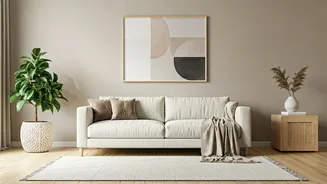
Walk into many modern apartments from Mumbai to Delhi, and you’ll notice a distinct shift. The once-coveted aesthetic of matching furniture sets and flawlessly polished surfaces, heavily influenced by Western catalogs and mass-market retailers, is losing
its luster. In its place is a curated, personal, and distinctly textured style. This isn't just a design trend; it's a cultural pivot. For a growing segment of India’s urban middle and upper classes, the ultimate luxury is no longer a home that looks like it was plucked from a showroom floor, but one that tells a unique story. The very idea of 'perfection' is being redefined. Instead of flawless symmetry, the new aspiration is authenticity—a space that reflects a personal journey and a connection to something more meaningful than a production line.
A Return to Roots and Craft
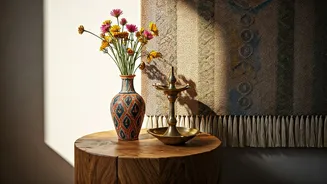
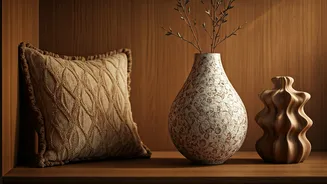
This movement is deeply intertwined with a renewed appreciation for India's staggering diversity of traditional crafts. For centuries, every region of the country has cultivated its own unique artisanal heritage, from the intricate block-printed textiles of Rajasthan and the delicate 'chikankari' embroidery of Lucknow to the bold metalwork of Bidar and the rich weaves of Kanchipuram. For a time, many of these crafts were seen as dated or were relegated to tourist souvenirs. Today, they are the stars of contemporary Indian interiors. Designers and homeowners are actively seeking out hand-carved wooden furniture, hand-spun 'khadi' upholstery, and hand-painted ceramics. This isn't about creating a museum of historical artifacts; it's about integrating living traditions into modern life, celebrating a heritage that is both beautiful and deeply rooted in a sense of place.
The New Status Symbol: Story and Soul
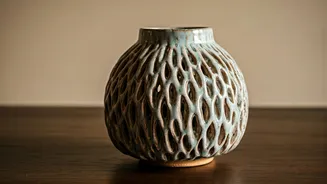
In this new design language, the most valuable feature of an object is its story. A slight irregularity in the weave of a rug isn't a flaw; it's evidence of the weaver’s hand. A subtle color variation in a set of ceramic bowls points to the small-batch kiln where they were fired. This appreciation for the 'hand of the maker' represents a significant shift in what constitutes a status symbol. The focus has moved from brand names to artisan names, from price tags to provenance. Social media platforms like Instagram have been instrumental in this change, allowing homeowners to discover small, independent studios and even connect directly with the artisans themselves. Buying a handmade piece is increasingly seen as a conscious choice—a vote for sustainability, ethical production, and the preservation of cultural skills. It's a way of saying, 'This object has a soul, and now it's part of my home’s soul, too.'
More Than Decor: An Economic Shift
The trend has profound economic implications. By choosing handmade, consumers are fueling a renaissance in the artisan economy, providing sustainable livelihoods for communities that have struggled to compete with industrial manufacturing. A new ecosystem of online marketplaces and boutique design firms has emerged to bridge the gap between rural artisans and urban buyers, ensuring fairer prices and greater visibility. This direct-to-consumer model empowers creators, many of whom are women, to gain financial independence and recognition for their skills. It's a powerful example of how consumer choices can drive grassroots economic change. For the person buying a hand-painted tray or a block-printed quilt, the purchase feels doubly good: it not only beautifies their home but also supports a chain of creativity and empowerment.