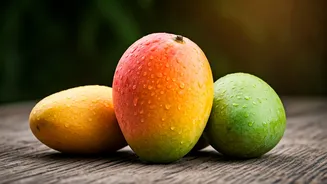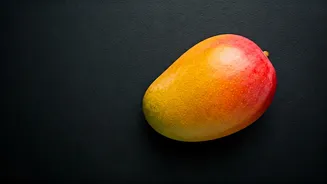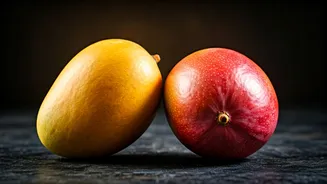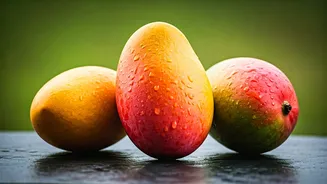


The Mango You Know vs. The Mangoes You Don't
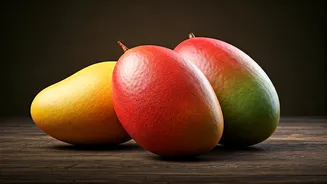
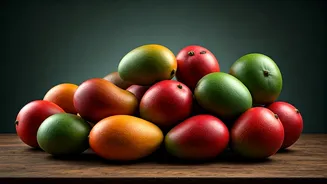
The mangoes most Americans encounter are chosen for durability, not flavor. Varieties like the Tommy Atkins were bred to withstand the long journey from Central and South America, prioritizing thick skin and a long shelf life over the nuanced, complex
taste that mango aficionados cherish. It gets the job done, but it’s like only ever drinking table wine when there’s a world of single-vineyard reserves waiting to be discovered. India, considered by many to be the mango’s ancestral home, boasts over a thousand distinct varieties, each with its own season, flavor profile, texture, and story. Thanks to improved logistics and a growing American appetite for authentic global flavors, a few of these legendary fruits are beginning to appear in specialty stores and online markets, offering a taste of something truly special.
Profile: The Zardalu Mango
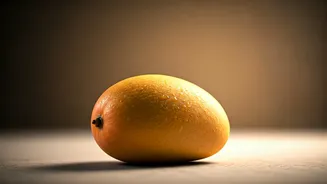
Hailing from the Bhagalpur district of Bihar in eastern India, the Zardalu is a mango with a pedigree. It’s so unique to its region that it has been granted a Geographical Indication (GI) tag, a status similar to Champagne in France or Parmigiano-Reggiano in Italy. This designation protects its origin and guarantees its authenticity. Unlike the blemish-free, uniform fruit we’re used to, the Zardalu is known for its distinct pale yellow skin and a captivating, sweet aroma you can smell from across the room. The flavor is intensely sweet, though it has more fiber than many other prized Indian varieties. It’s not a mango you simply eat; it’s an experience you savor. Its arrival in U.S. markets is part of a concerted effort to introduce global consumers to India’s rich agricultural heritage.
Profile: The Himsagar Mango
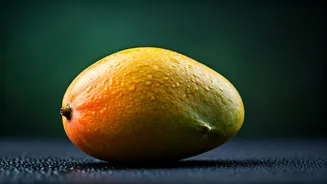
If the Zardalu is an aromatic ambassador, the Himsagar is the connoisseur’s choice. This medium-sized, greenish-yellow mango from West Bengal and Odisha is famous for one thing above all else: its complete lack of fiber. The flesh is a deep, creamy, buttery-smooth pulp that melts in your mouth. The flavor is exquisitely sweet and rich, often described with notes of honey and a floral perfume. Its season is frustratingly short—typically just a few weeks between May and June—making it a highly anticipated and sought-after treat in its native land. For Americans, getting your hands on a Himsagar is like finding a rare truffle. Its thin skin makes it delicate to transport, so its appearance here is a triumph of modern shipping and a testament to its incredible reputation.
Profile: The Banganapalli Mango
Of the three, the Banganapalli (also known as Benishan) from Andhra Pradesh might be the one you’re most likely to find. It’s one of India’s most famous commercial varieties and another proud holder of a GI tag. These are large, oblong mangoes with a beautiful, smooth, and vibrant yellow skin when ripe. The flesh is fiberless, firm, and juicy. What sets the Banganapalli apart is its perfectly balanced flavor profile. It’s sweet, but not overwhelmingly so, with a pleasant, subtle tangy note on the finish that keeps it refreshing and complex. This balance makes it incredibly versatile—perfect for eating fresh, but also excellent in salads, smoothies, and desserts. Its relatively robust nature has made it a pioneer in the Indian mango export market, paving the way for other regional treasures to follow.