



A World Tucked Behind the Peaks
For most Americans, the Himalayas conjure images of Mount Everest or the lush, green foothills of Nepal. Spiti is the opposite. Tucked away in the Indian state of Himachal Pradesh, it’s a cold desert valley that lies in a rain shadow. This means that while
the rest of the subcontinent is drenched by summer monsoons, Spiti remains almost entirely dry. Its name literally translates to “The Middle Land,” a fitting title for a place that feels suspended between India and Tibet, between the earth and the heavens. For nearly half the year, heavy snowfall cuts it off from the outside world, preserving a landscape and culture that feel utterly frozen in time. When the snows finally recede, they reveal a world of breathtaking austerity.
The Perfect Window: Why June?
Timing is everything in the Himalayas, and June is Spiti’s golden hour. This is the month when the high mountain passes, like the formidable Kunzum La (over 14,900 feet), are finally cleared of snow, making the valley accessible by road. The sun is strong, the air is crisp, and the crowds that will eventually follow have yet to arrive. Critically, the monsoon that begins battering the rest of India from June onwards doesn't reach here. The result is a travel sweet spot: you get clear, blue skies and comfortable daytime temperatures perfect for exploring, while the rest of the region is grappling with downpours. It’s an adventure that requires planning, but arriving in June means you’re experiencing the valley at its most welcoming and vibrant, with rivers running full of glacial melt and wildflowers dotting the stark terrain.
Landscapes of Raw, Dramatic Beauty
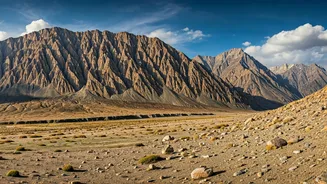
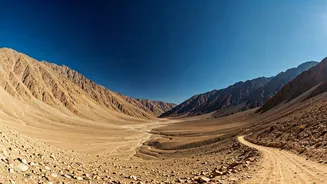
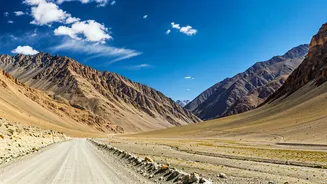
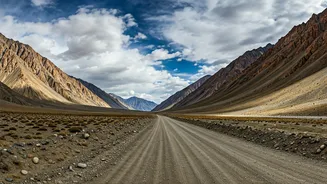
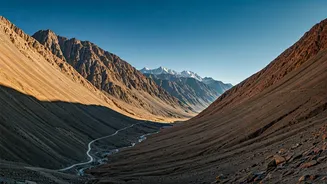
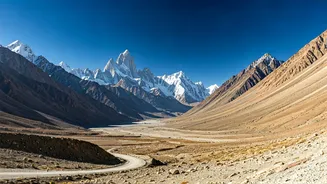
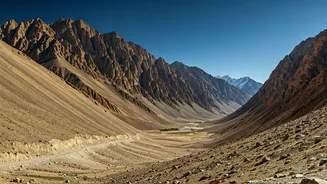
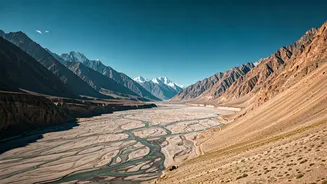
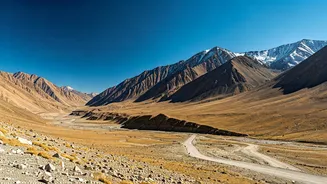
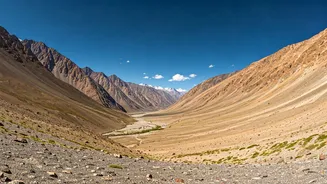
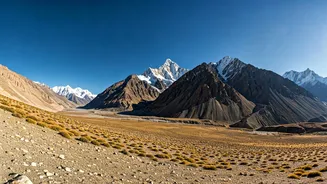
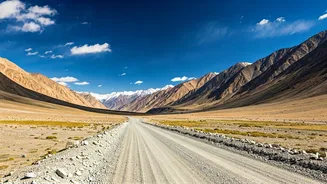
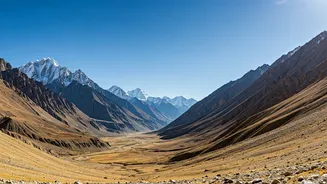
The word “dramatic” is an understatement here. Spiti’s landscape is a masterclass in geological grandeur. Jagged, barren mountains rise to impossible heights, their slopes devoid of trees but streaked with mineral deposits that shimmer in purple, green, and red. The Spiti River, a ribbon of turquoise silk, carves a deep gorge through the valley floor. The drive itself is an event, a winding journey on roads cut into sheer cliff faces that offer terrifyingly beautiful views at every turn. You’ll pass through a moonscape of eroded rock formations, vast plains, and high-altitude wetlands. One of the crown jewels is Chandratal, the “Moon Lake.” This crescent-shaped body of water, nestled at over 14,000 feet, reflects the sky and surrounding peaks with such perfect clarity it feels like a portal to another dimension.
Ancient Monasteries and Enduring Faith
Spiti’s soul is found in its ancient Tibetan Buddhist monasteries, which seem to grow organically from the cliffs. The most iconic is Key Monastery, a sprawling, fort-like complex that looks like a cascade of whitewashed boxes piled atop a conical hill. It has been standing for over a thousand years, withstanding invasions and the ravages of time. Inside, narrow corridors lead to prayer halls filled with the scent of butter lamps and the low hum of chanting monks. Equally mesmerizing is Tabo Monastery, a UNESCO World Heritage site known as the “Ajanta of the Himalayas” for its stunning, well-preserved murals and frescoes that date back to 996 AD. To visit these places is not just to see a historic site; it’s to step into a living, breathing center of faith that has defined life in this harsh landscape for centuries.