




1. The Rise of the 'Kitchen Garden'
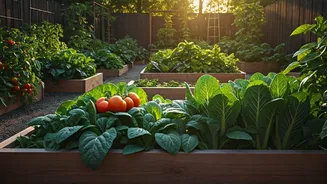
The perfectly manicured lawn is yielding ground to the humble, hardworking kitchen garden. Fueled by a desire for fresher ingredients and a hedge against rising grocery prices, Americans are dedicating patches of their yards to growing food. This isn't
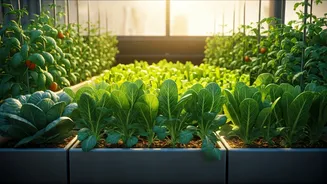
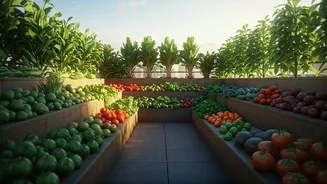
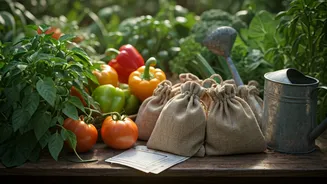
a revival of the sprawling, labor-intensive gardens of the past. Today's kitchen garden is smart and curated. It might be a simple 4x8-foot raised bed packed with high-yield favorites like zucchini, cherry tomatoes, and cut-and-come-again lettuces. The goal is maximum output for reasonable effort, providing a steady supply of produce for summer salads, grilling, and pestos, trimming the grocery bill one delicious harvest at a time.
2. Small Spaces, Big Flavors
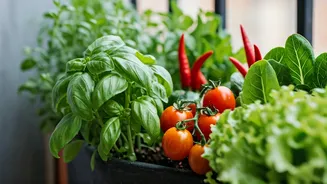
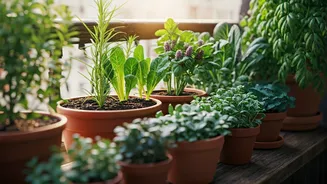
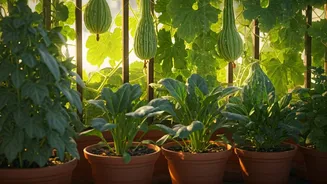
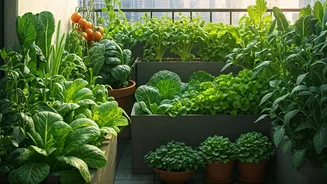
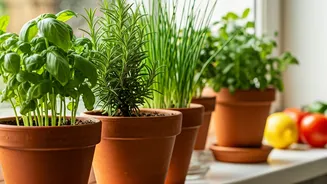
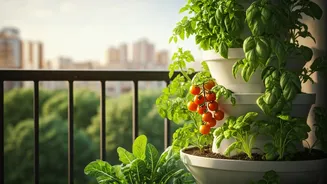
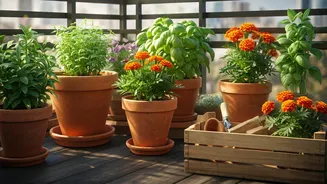
You don't need a sprawling suburban lot to join the edible gardening movement. In fact, some of the most exciting innovations are happening on balconies, patios, and windowsills. Container gardening has become incredibly sophisticated. With modern pots, vertical planters, and hanging baskets, city dwellers and apartment residents can cultivate a surprising amount of food. Think cascades of tumbling tomatoes, pots of vibrant basil and mint, and even compact varieties of cucumbers and peppers designed specifically for small-space living. The 'sensible' part comes from the efficiency: you control the soil, the water, and the nutrients, resulting in less waste and a garden that fits your life, not the other way around.
3. Water-Wise and Worry-Free Edibles
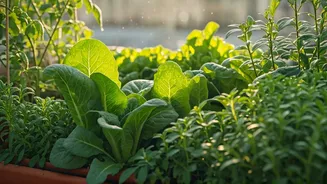
As climate patterns shift and water becomes a more precious resource, especially in the West and Southwest, 'sensible' gardening means being drought-tolerant. Gardeners are increasingly seeking out edible plants that can thrive with less water. This includes Mediterranean herbs like rosemary, thyme, and oregano, which love sunny, dry conditions. It also means embracing native edible plants that are already adapted to the local climate. Furthermore, techniques like mulching heavily to retain soil moisture, using drip irrigation systems, and grouping plants with similar water needs are becoming standard practice. It's a smart shift that reduces water bills and gardening chores while still putting food on the table.
4. Integrating Food into the Landscape
Who says a garden can't be both beautiful and productive? The concept of 'edible landscaping' dismantles the wall between ornamental and vegetable gardens. This sensible approach involves tucking food-producing plants into existing flower beds and decorative borders. For instance, the striking, rainbow-hued stems of Swiss chard can provide a vibrant pop of color that rivals any purely ornamental plant. The delicate purple flowers of a chive plant are as pretty as they are delicious. Artichoke plants offer dramatic, silvery foliage, while blueberry bushes can provide beautiful fall color after their summer harvest. This strategy makes efficient use of every square inch of garden space, creating a landscape that pleases the eye and the palate.
5. Prioritizing Perennials and Low-Effort Plants
The most sensible garden is one you don't have to replant from scratch every single spring. This is driving a surge of interest in perennial edibles—plants that come back year after year. Asparagus, rhubarb, and certain types of onions and herbs fall into this category. After an initial investment of time to get them established, they provide a reliable harvest with minimal annual fuss. On the annual side, gardeners are choosing 'low-effort, high-reward' crops. Think prolific herbs that you can snip all summer, bush beans that produce abundantly, or zucchini plants that famously yield more than you know what to do with. The focus is on resilience and productivity, freeing up the gardener to simply enjoy the fruits—and vegetables—of their labor.