






The New Nutritional North Star
Protein's rise to the top of the nutritional pyramid isn't an accident. It's a perfect storm of evolving science, savvy marketing, and changing lifestyle goals. For decades, the dietary villain was fat, then it was carbs. Now, protein is positioned as the hero.
A key reason is its role in satiety—the feeling of fullness. Studies consistently show that protein keeps you feeling satisfied longer than carbohydrates or fats, which is a powerful draw for anyone trying to manage their weight without feeling constantly hungry. Furthermore, as fitness culture has gone mainstream, the message that protein is essential for building and repairing muscle has moved from the bodybuilding niche to the general public. Whether you’re a serious athlete or just trying to maintain muscle mass as you age (a process called sarcopenia), protein is crucial. Food companies have capitalized on this, adding protein to products that never had it before and plastering “High Protein” labels on everything from cereal to ice cream, turning a basic nutrient into a premium selling point.
Finding Your Protein Sweet Spot
With all the hype, it’s easy to assume that more protein is always better. The truth is more nuanced. The official Recommended Dietary Allowance (RDA) for a sedentary adult is 0.8 grams of protein per kilogram of body weight. For a 150-pound person, that’s about 54 grams per day—an amount most Americans easily meet or exceed. However, this RDA is the minimum needed to prevent deficiency, not necessarily the optimal amount for every goal. Active individuals, athletes, and older adults generally need more. A common recommendation for those looking to build muscle or who are very active is to aim for 1.2 to 1.7 grams per kilogram of body weight (about 82 to 116 grams for that same 150-pound person). So, what’s the sweet spot? For most moderately active people, aiming for around 20-30 grams of protein per meal is a great benchmark. This approach helps spread your intake throughout the day, which can be more effective for muscle synthesis and keeping hunger at bay, rather than trying to cram it all into one massive, protein-heavy dinner.
Beyond Shakes and Bars
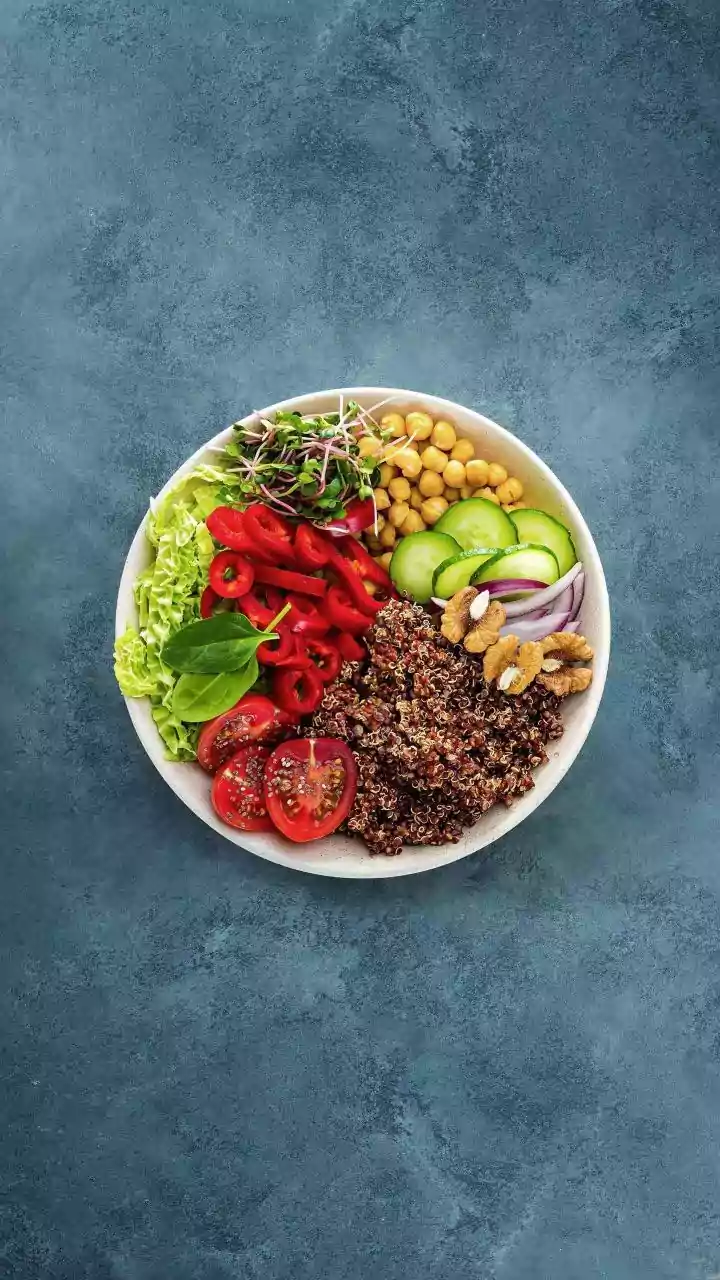
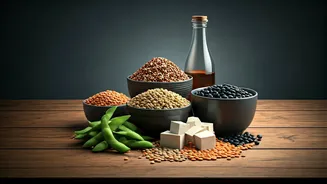
The marketing blitz might make you think you need specialized powders and bars to meet your protein goals. But for the vast majority of people, a food-first approach is more effective, more affordable, and frankly, more enjoyable. Whole food sources of protein come packaged with other essential nutrients like fiber, vitamins, and minerals that supplements often lack. The goal should be to incorporate a variety of protein sources into your meals. Think beyond just chicken breast. Lean meats, fish (like salmon and tuna), and eggs are fantastic animal-based options. But plant-based sources are powerhouses, too. Lentils, chickpeas, tofu, edamame, quinoa, and nuts are all excellent choices that also provide fiber and other health benefits. A cup of Greek yogurt for breakfast can have up to 20 grams of protein. A can of chickpeas added to your salad at lunch provides another 15. A simple 3-ounce serving of salmon for dinner adds over 20 more. By focusing on these whole foods, you can easily meet even elevated protein needs without ever touching a supplement.
The Role of Protein Supplements
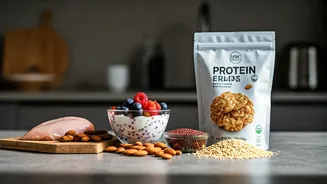
So, where do the ubiquitous protein powders, shakes, and bars fit in? They are best viewed as a tool of convenience, not a nutritional necessity. For busy people, a protein shake can be a quick and easy way to get a high-quality dose of protein post-workout or as part of a quick breakfast when you’re running out the door. They are also useful for elite athletes or individuals with extremely high protein requirements who may struggle to meet their needs through food alone. However, it’s important to read the labels carefully. Many supplements are loaded with added sugars, artificial sweeteners, and other fillers. A protein bar can look like a candy bar in disguise if you’re not careful. If you choose to use supplements, opt for brands with minimal ingredients and a good reputation. But remember, they are what their name implies: a supplement to a healthy diet, not a replacement for one. Don't let them crowd out the nutrient-dense whole foods that should form the foundation of your eating habits.