



A Legacy of Royal Patronage
To understand Lucknow’s mango dominance, you have to travel back to the 18th and 19th centuries. The city was the capital of Awadh, ruled by sophisticated, art-loving Nawabs. These rulers were not just politicians; they were patrons of the highest order,
funding poetry, music, cuisine, and, crucially, horticulture. They viewed the cultivation of exquisite fruits as a mark of cultural achievement. The Nawabs established vast mango orchards, known as 'baghs,' and sponsored grafting competitions, encouraging gardeners to create new, ever-more-delicious varieties. This wasn’t just farming; it was an art form. The result was a horticultural explosion, with Lucknow becoming a living laboratory for mango perfection. This royal foundation established a deep-rooted expertise and a reverence for the fruit that has been passed down through generations.
The Undisputed King: The Dussehri
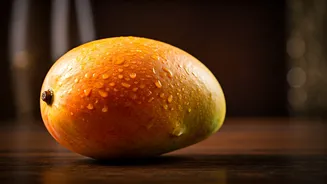
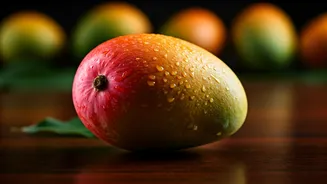
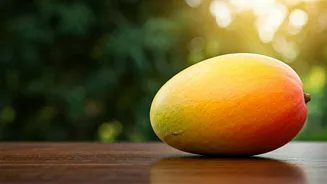
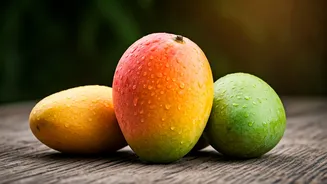
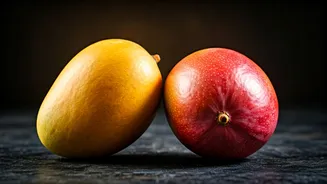
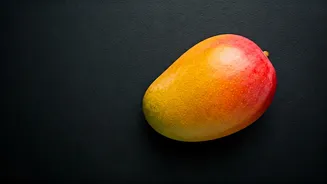
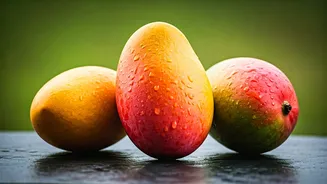
While Lucknow boasts hundreds of mango varieties, one stands above all others: the Dussehri. The story goes that the mother tree, now over 200 years old, still stands in the nearby village of Malihabad, the epicenter of Lucknow’s mango belt. This variety is the gold standard. Unlike the round, fleshy mangoes common in the U.S., the Dussehri is elongated and slender. Its skin is a modest yellow-green, but its flesh is a revelation: fiberless, intensely sweet with a honeyed fragrance, and a melt-in-your-mouth texture that is utterly distinct. Malihabad's unique alluvial soil, fed by the Ganges river basin, provides the perfect 'terroir' for the Dussehri to develop its signature flavor profile. For connoisseurs, no other mango quite compares, and its reputation alone is enough to solidify Lucknow’s claim.
More Than Just a Fruit
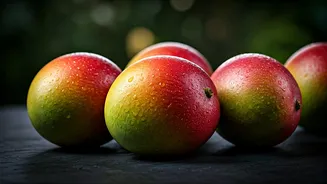
In Lucknow, the mango is not merely a food item; it’s a cultural institution. The arrival of the first mangoes in late spring is a celebrated event. Families host 'mango parties,' where guests gather for the sole purpose of eating basket after basket of chilled fruit. Mangoes are the ultimate gift, a symbol of love, respect, and hospitality. Business deals might be sweetened with a box of premium Chausas or Langras, other prized local varieties. The language of the city is filled with mango-related idioms and poetry. This deep cultural integration means that the fruit is tied to memory, tradition, and social connection. It’s the flavor of childhood summers, the centerpiece of family gatherings, and a source of immense regional pride. Arguing against Lucknow’s mango supremacy would be like arguing against a core part of its identity.
A Living, Breathing Orchard
Lucknow's claim isn't just historical; it’s alive and well. The mango belt surrounding the city, particularly in Malihabad, is a protected Geographical Indication (GI) zone, similar to how Champagne is protected in France. This designation recognizes that the unique qualities of the Dussehri mango are inextricably linked to this specific region. Every year, millions of tons of mangoes are shipped from these orchards across India and the world. The old families who have tended these groves for generations continue to practice their craft, blending traditional knowledge with modern techniques. They are the living custodians of the Nawabs' legacy, ensuring that the city's reputation for producing the world’s most sublime mangoes is renewed with every single harvest.