

The New Aesthetic of Eating Green
Forget dry scientific reports and guilt-inducing documentaries. The modern face of sustainable eating is vibrant, aspirational, and perfectly optimized for a 30-second video. We’re in an era where an influencer’s “empties” video isn’t about makeup, but
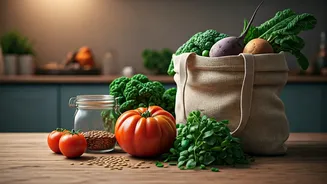
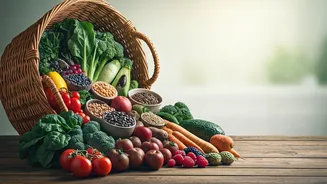
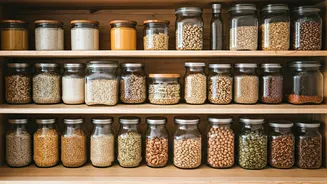
about finishing every last scrap from their fridge. Content creators are building massive followings by turning eco-consciousness into an aesthetic. There are the “zero-waste” kitchen tours, showcasing pantries filled with glass jars of bulk-bin grains. There are the “eat the rainbow” challenges, which subtly promote plant-forward, seasonal eating. And there are the ever-popular “what I eat in a day as a climatarian” videos, which break down food choices by their carbon footprint. It’s a far cry from the crunchy granola stereotype of the past; this is sustainability as a lifestyle brand, complete with soothing color palettes and actionable tips that feel less like a sacrifice and more like a satisfying life hack.
More Than Just 'Plant-Based'
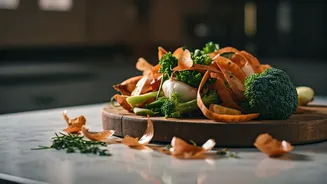
While plant-based diets are a huge part of the conversation, the new wave of content defines “sustainable” far more broadly—and sometimes, more confusingly. A truly sustainable diet, as defined by organizations like the U.N.’s Food and Agriculture Organization, considers the entire lifecycle of food. It’s not just about what you eat, but about how it was grown, processed, transported, and packaged. Critically, it also includes minimizing food waste. Social media has done a remarkable job of popularizing these less-obvious pillars of sustainability. Creators like Anne-Marie Bonneau (@ZeroWasteChef) have gone viral for showing how to turn wilted herbs into pesto or carrot peels into broth. This content resonates because it’s practical and cost-effective, reframing sustainability from an expensive niche interest to a thrifty, common-sense practice. The hook isn’t just “save the planet,” it’s also “save money and make your kitchen more efficient.”
The Algorithm's Appetite for Action
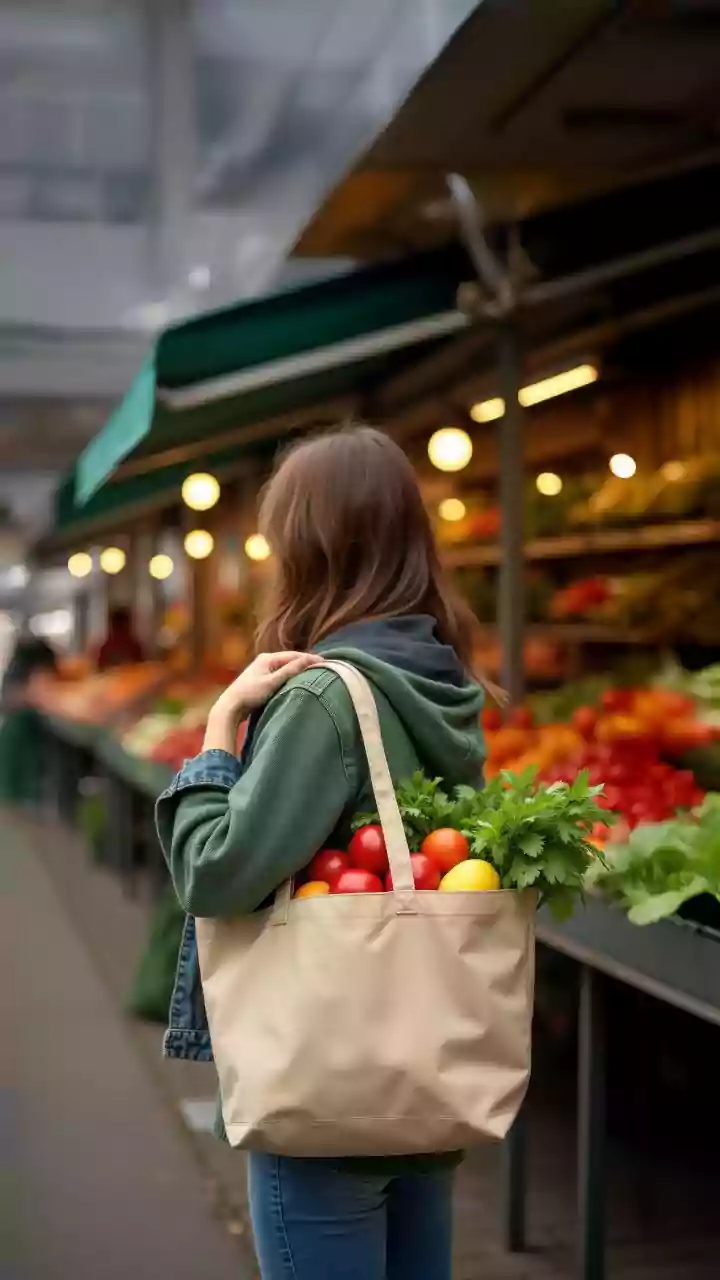
So why is this trend exploding now? In a word: anxiety. Faced with overwhelming news about climate change, people are desperate for a sense of agency. A sustainable diet, as presented online, offers just that. It breaks down a massive, systemic problem into a series of small, manageable, and highly visual personal choices. You can’t personally negotiate international climate accords, but you *can* start a compost bin, shop at a farmers market, or try a “Meatless Monday.” This content provides a feeling of empowerment and participation. The algorithms on platforms like TikTok and Instagram reward this. They favor positive, solution-oriented content that is easily replicable. A user seeing a viral video on regrowing scallions in a glass of water is more likely to engage, try it themselves, and maybe even post their own version, creating a virtuous cycle of content that is both feel-good and algorithm-friendly.
Authenticity or 'A-Haul-thenticity'?
Herein lies the tension. While this content raises awareness, it also risks becoming a performance of virtue. Critics point to “greenwashing” at the individual level, where the aesthetic of sustainability becomes more important than the impact. The focus can shift from meaningful reduction to conspicuous consumption of “eco-friendly” products, like expensive bamboo utensil sets, beeswax wraps, and designer bento boxes—often showcased in Amazon “hauls.” The pressure on creators is to produce a constant stream of fresh, engaging content, which can be at odds with the core message of consuming less. It blurs the line between genuine advocacy and a new form of consumerism cloaked in earth tones. This framing also places the immense burden of solving climate change on individual shoppers, distracting from the much larger role that corporations and governments play in the food system.