



The National Park, Reimagined
Visiting a major U.S. National Park between June and August can feel less like communing with nature and more like navigating a theme park. But visit that same park in October or April, and the entire experience transforms. The off-season is when you
can find solitude on popular trails, hear the wind instead of shuttle buses, and witness the landscape in a different, often more dramatic, light. Consider Zion National Park in November, when the summer heat has faded and crisp air makes the canyon walls pop. Or Acadia National Park in late September, after the leaf-peeping rush, when you can enjoy coastal hikes in peaceful silence. Traveling this way isn't just more pleasant; it’s more sustainable. It reduces the strain on park infrastructure during peak months and provides a more consistent economic lifeline to surrounding gateway towns.
The Coastal Town’s Quiet Season
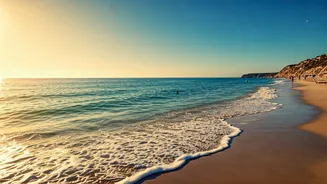
Beach towns are synonymous with summer, but their real charm often shines brightest in the shoulder seasons of spring and fall. When the summer rentals empty out, places like Cape Cod, Massachusetts, or the Outer Banks of North Carolina settle into a relaxed, local rhythm. The weather is often still beautiful—perfect for long walks on an empty beach—but the prices for accommodations plummet. More importantly, your tourist dollars go further in supporting the year-round community. You’re not just another face in the crowd; you’re a welcome visitor helping local cafes, shops, and galleries thrive outside the frantic three-month peak. It’s a chance to experience the soul of a place, not just its sun-drenched surface.
The International Eco-Haven
Many travelers are conditioned to avoid the “rainy season.” But in top eco-tourism destinations like Costa Rica, it’s rebranded as the “green season”—and for good reason. This is when the rainforest is at its most lush, waterfalls are thunderous, and the landscape is bursting with life. While you may have an afternoon shower, you’ll be rewarded with fewer tourists, lower flight and hotel costs, and a more authentic experience. Eco-lodges that pride themselves on conservation and community integration are often quieter, allowing for more personal interactions with guides and staff. This travel model directly supports conservation efforts, proving that a country's natural assets are more valuable when preserved. By visiting during the green season, you’re participating in a tourism cycle that truly sustains the environment it showcases.
The Mountain Town Without the Skis
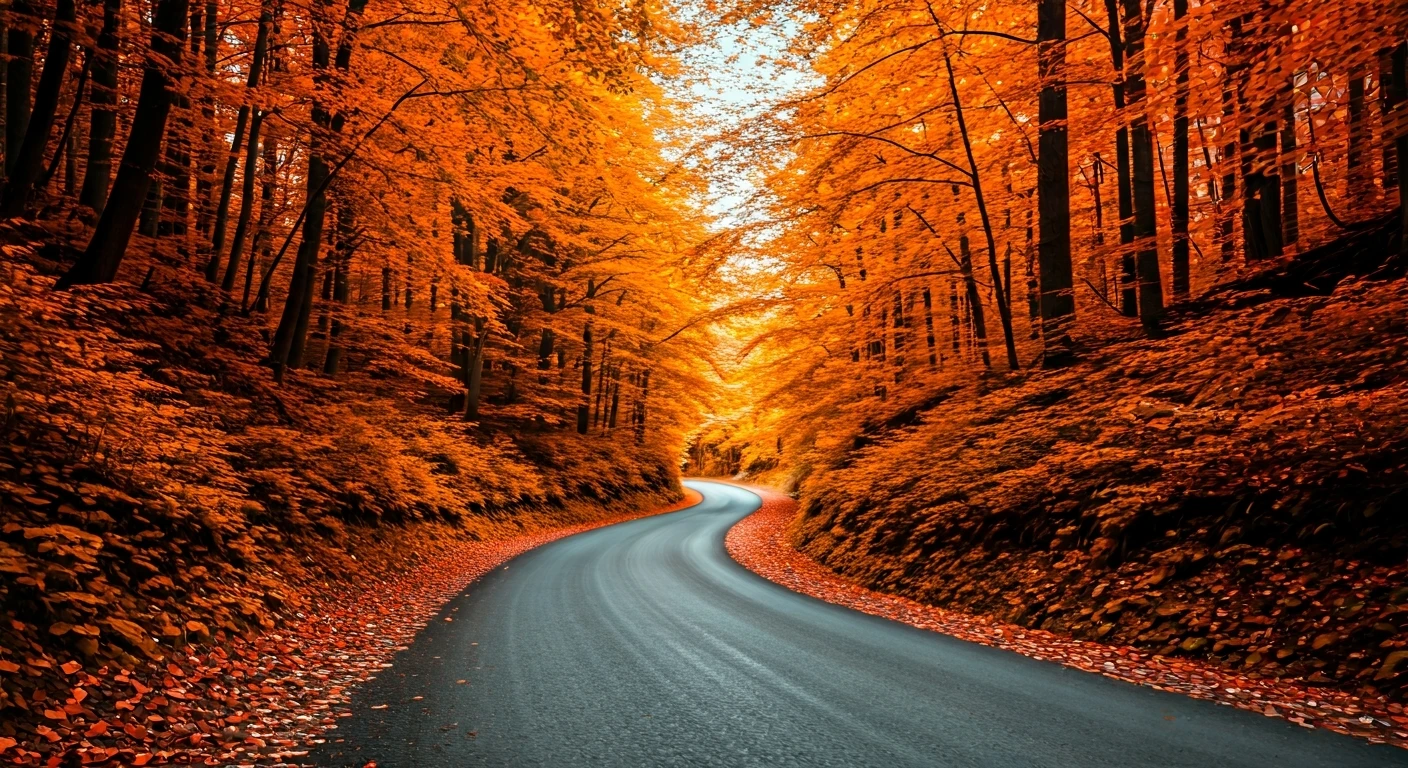
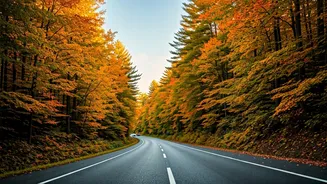
Ski resorts are masters of managing seasonality, but you don't need snow to enjoy a mountain town. In fact, autumn is arguably the most spectacular season in places like Aspen, Colorado, or Stowe, Vermont. The hills ignite with color, the air is cool and clean, and the hiking and mountain biking are world-class. These towns have invested heavily in becoming four-season destinations, with vibrant food scenes, breweries, and cultural festivals that shine during the fall. Choosing to visit during this “second season” alleviates the pressure on winter infrastructure and creates more stable, year-round employment for residents. You get to enjoy the stunning alpine scenery and amenities without the ski-lift lines or premium winter pricing.