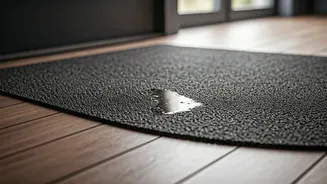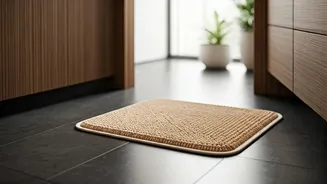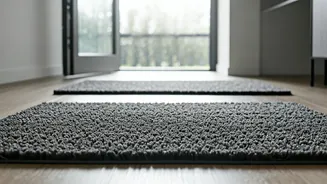




What Exactly Is a Stone Mat?
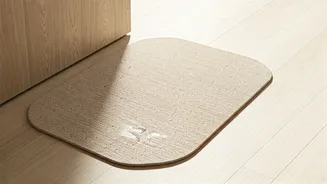
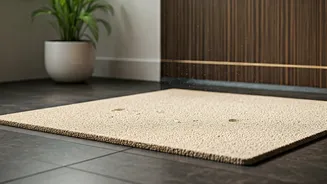
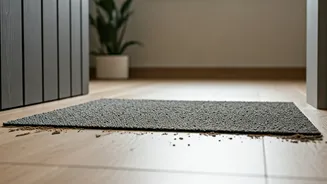
At first glance, it looks like a thin slab of slate or concrete, a piece of modern decor mistakenly left on the floor. But these mats are made from something far more interesting: diatomaceous earth. It’s a naturally occurring, sedimentary rock formed
from the fossilized remains of tiny aquatic organisms called diatoms. For millions of years, their silica-based skeletons have been accumulating in riverbeds and lakes. When harvested and compressed, this chalky, porous material creates a hard surface with seemingly magical properties.
The Science of Instant Dry
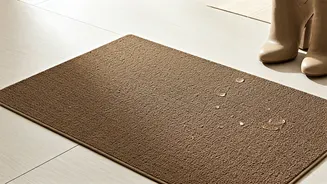
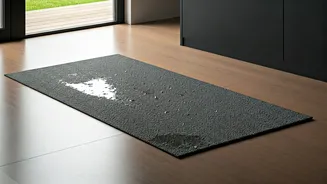
The secret to a diatomaceous earth mat’s effectiveness lies in its microscopic structure. The material is incredibly porous, filled with countless tiny holes that act like a super-powered sponge. When water from a wet boot or a dripping umbrella hits the surface, it’s instantly wicked away and distributed throughout the mat’s internal pore structure. This isn’t like a traditional bath mat that simply soaks up water and becomes saturated. Instead, the vast surface area inside the mat allows the moisture to evaporate with remarkable speed, often within a minute. The result? You step on, the water vanishes, and the mat is left dry to the touch, preventing the dreaded mucky puddle from forming or being tracked further into your home.
Minimalism Meets Mess-Proofing
Traditional entryway mats are functional but rarely beautiful. They are often bulky, rubber-backed affairs that trap dirt, hair, and moisture, quickly becoming a dingy eyesore. Diatomaceous earth mats, however, are a study in minimalist design. Their clean lines, neutral color palette (typically shades of gray, white, or beige), and low profile integrate seamlessly into modern, contemporary, or Scandinavian-inspired interiors. They offer a solution that doesn't scream “utility.” Instead of a shaggy rug that holds onto odors and requires constant washing, you get a sleek, solid surface that actively works to stay clean, dry, and odor-free because it doesn’t allow for the damp conditions where mold and bacteria thrive.
The Practical Considerations
Before you replace every rug in your home, there are some important trade-offs to consider. While these mats are miraculous with water, they don't handle coarse debris well. They won’t trap pebbles, sand, or large clumps of mud the way a bristly coir mat will. For this reason, many people find they work best as an indoor mat, placed just inside the door to catch the moisture, while a more traditional scraper mat remains outside to handle the heavy lifting. They also require occasional maintenance. Over time, the pores can become clogged with oils and dirt, reducing absorbency. A quick, light sanding with the included sandpaper every few months is all it takes to refresh the surface and restore its thirst for water. Finally, they are rigid and can crack or break if dropped or placed on an uneven surface, so they require a bit more care than a flexible rubber mat.