



A Front-Row Seat to a Divine Spectacle
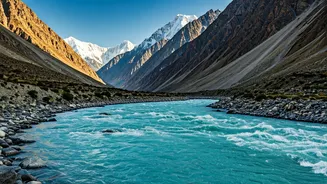
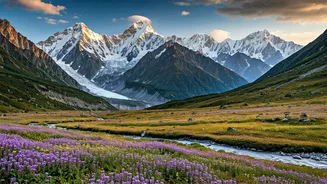
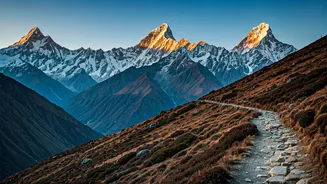
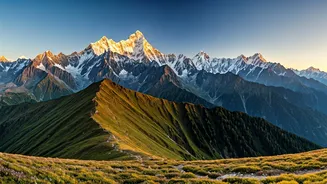
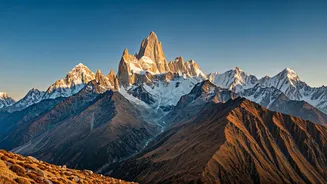
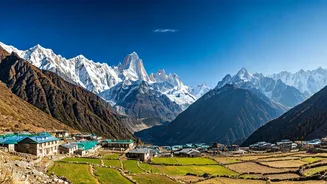
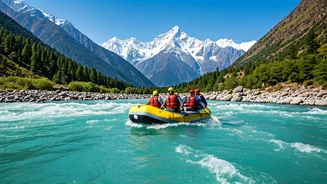
Let’s start with the main event: the view. Many Himalayan towns offer mountain scenery, but Munsiyari serves up a jaw-dropping, uninterrupted panorama of the Panchachuli peaks. These five snow-capped summits, whose name translates to “the five hearths,”
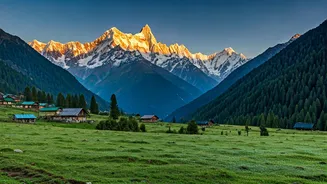
are steeped in local legend, believed to be the final cooking spot for the epic heroes of the Mahabharata before they ascended to heaven. From Munsiyari, you aren’t just glimpsing these giants from a distance; you’re sitting right at their feet. The peaks dominate the skyline, changing color with the sun from a soft morning gold to a fiery alpenglow at dusk. Unlike more developed hill stations where hotels and commercial buildings can obstruct the view, Munsiyari’s amphitheater-like setting ensures that the majestic Panchachuli range is the star of the show. It’s an immersive, humbling experience that makes you feel like you’ve stumbled upon one of the world’s best-kept secrets.
The Gateway to Hardcore Trekking
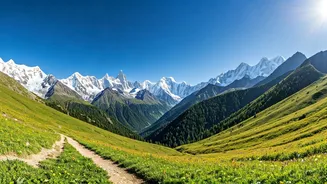
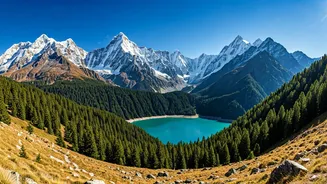
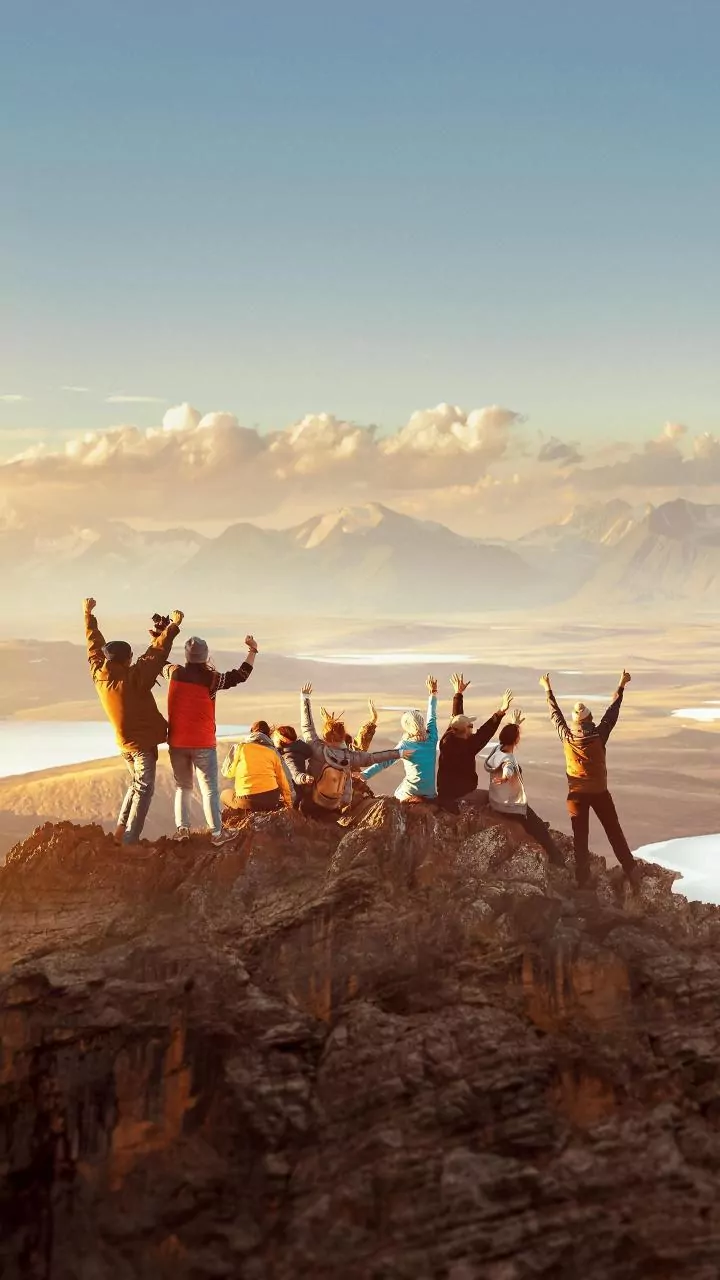
While some destinations offer casual nature walks, Munsiyari is a launchpad for serious adventure. This is where you come when you’re ready to graduate from weekend hikes to life-altering expeditions. The town is the starting point for some of India’s most celebrated and challenging treks, including the route to the Milam Glacier, one of the largest in the region. This multi-day journey takes you through remote villages, alpine meadows, and rugged moraines, following ancient trade routes once used by merchants crossing into Tibet. For the truly ambitious, there’s the Nanda Devi Base Camp trek, an arduous but profoundly rewarding pilgrimage to the foot of India’s second-highest peak. Choosing Munsiyari is a power move because it signals you’re not there for the tourist-friendly cable cars; you’re there to put boots on the ground and earn your views in one of the planet’s most formidable landscapes.
A Living Connection to Ancient Culture
Munsiyari’s appeal runs deeper than its stunning geography. Located in the Kumaon region of Uttarakhand, close to the borders of both Nepal and Tibet, the town is a cultural crossroads. It’s the historic home of the Bhotia people, a community with deep roots in trans-Himalayan trade. For centuries, they navigated treacherous passes to barter goods with Tibet, creating a unique culture rich with stories, resilience, and distinctive traditions. While the trade routes have since closed, the heritage remains. You can see it in the intricate handwoven carpets and shawls made from sheep’s wool, in the distinct local cuisine, and in the architecture of the older homes. Visiting Munsiyari isn’t just about seeing mountains; it’s about stepping into a living museum of a resilient mountain culture that has thrived in isolation for generations. It offers a connection to a way of life that feels worlds away from the commercialized gloss of mainstream tourism.
The Underrated Luxury of 'Offbeat'
So what does “offbeat” actually mean here? It means forgoing five-star hotel chains for cozy, family-run guesthouses. It means the journey to get there—a long, winding drive through the mountains—is part of the adventure itself, filtering out the casual weekend crowds. It means you’ll find more trekking gear shops than souvenir stands. This lack of hyper-commercialization is Munsiyari’s greatest strength. The quiet atmosphere allows the natural beauty and local culture to shine through without distraction. You won’t be jostling for a spot at a viewpoint or waiting in line at an overpriced cafe. Instead, you’ll be sharing a cup of chai with your guesthouse owner, listening to stories from a local guide, or simply sitting in silence as you watch the clouds drift across the Panchachuli. In a world of over-tourism, choosing a place like Munsiyari is the ultimate power move—a decision to trade convenience for authenticity.