







1. It Literally Builds a Better Brain
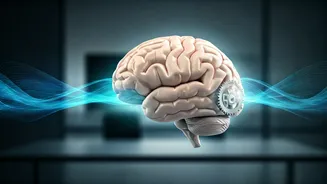
Forget metaphorical gains; exercise physically changes your brain for the better. When you engage in aerobic exercise—like running, cycling, or even brisk walking—your brain releases a protein called Brain-Derived Neurotrophic Factor (BDNF). Think of
BDNF as Miracle-Gro for your neurons. It supports the survival of existing brain cells and encourages the growth of new ones, particularly in the hippocampus, a region vital for learning and memory. A 2019 study in the *Journal of Science and Medicine in Sport* confirmed that even short bursts of high-intensity interval training (HIIT) can significantly boost BDNF levels. This means the 30 minutes you spend on the treadmill isn't just for your heart; it's actively upgrading the hardware you use to process information, recall key facts for a presentation, and learn new skills for your job.
2. It Sharpens Your Focus and Decision-Making
The feeling of being 'in the zone'—that state of deep, uninterrupted focus—is the holy grail of knowledge work. Regular exercise is one of the most reliable ways to get there. Physical activity increases blood flow to the prefrontal cortex, the brain's command center responsible for executive functions like planning, attention, and decision-making. By improving vascular health, exercise ensures this critical area gets the oxygen and nutrients it needs to operate at peak efficiency. The result? You're better able to tune out distractions, resist the urge to multitask, and make clearer, more rational choices under pressure. It's the difference between staring blankly at a spreadsheet and seeing the patterns within it.
3. It Unlocks Creative Problem-Solving
Ever had a brilliant idea pop into your head while on a walk? There's a scientific reason for that. While intense exercise is great for focus, lower-impact activities are a goldmine for creativity. A well-known Stanford University study found that walking increased creative output by an average of 60%. This type of movement allows for 'divergent thinking,' a thought process used to generate creative ideas by exploring many possible solutions. It lets your mind wander productively, making novel connections you'd miss while staring intently at a screen. When you're stuck on a complex problem, stepping away from your desk for a walk isn't procrastination; it's part of the work process. It's a strategic reboot for the creative parts of your brain.
4. It Builds Genuine Stress Resilience
Modern work is a marathon of deadlines, difficult colleagues, and unexpected crises. Fitness acts as a biological form of stress inoculation. On a chemical level, exercise boosts feel-good neurotransmitters like endorphins and serotonin while helping to regulate cortisol, the primary stress hormone. By exposing your body to the physical stress of a workout, you train your central nervous system to recover more efficiently from all types of stressors—including psychological ones. People who exercise regularly don't just feel better; they often report a lower emotional reaction to workplace pressures. They've built up a physiological buffer that helps them stay calm and composed when things get chaotic, which is a superpower in any office.
5. It Acts as an Energy Multiplier
It sounds counterintuitive, but expending energy through exercise creates more energy for your day. The 'I'm too tired to work out' excuse is a trap. When you engage in regular physical activity, you increase the number and efficiency of mitochondria in your cells. These are the tiny power plants that convert fat, sugar, and oxygen into the fuel your body and brain run on. More and better mitochondria mean more available energy for everything else—from powering through an afternoon slump to having the stamina for a challenging project. Instead of seeing exercise as something that drains your battery, reframe it as the activity that charges it up for high-performance work.