



The Mighty Millet Comeback
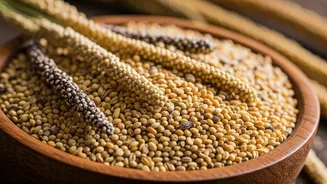
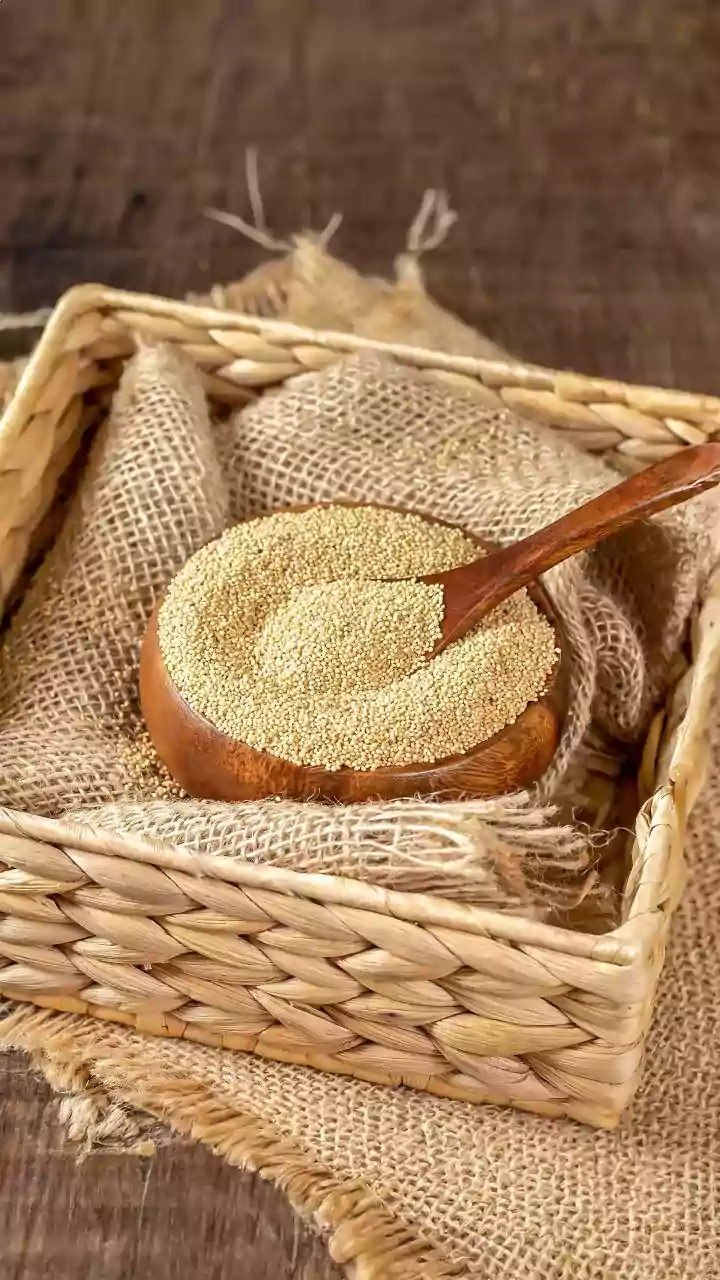
Remember when quinoa was the exotic “ancient grain” on every cafe menu? Meet its new, and arguably more versatile, competition: millets. Grains like sorghum (jowar), pearl millet (bajra), and finger millet (ragi) have been staples in Indian households
for centuries. Long overshadowed by wheat and rice, these hardy, gluten-free grains are experiencing a massive resurgence. Why? They are fiber powerhouses, promoting digestive health and providing a slow, steady release of energy that prevents sugar crashes. In India, they’re traditionally ground into flour to make dense, nutty-flavored flatbreads (bhakri) or cooked into savory porridges. In the U.S., you’ll find millet flour in the international aisle, perfect for experimenting with gluten-free baking or making your own rustic flatbreads. They cook up just like quinoa or couscous, making them a simple addition to salads and grain bowls.
The Undisputed Power of Pulses
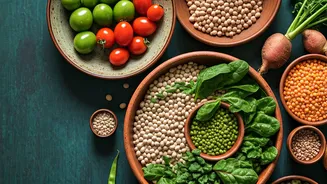
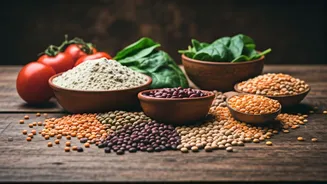
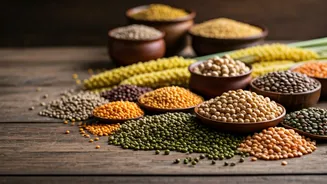
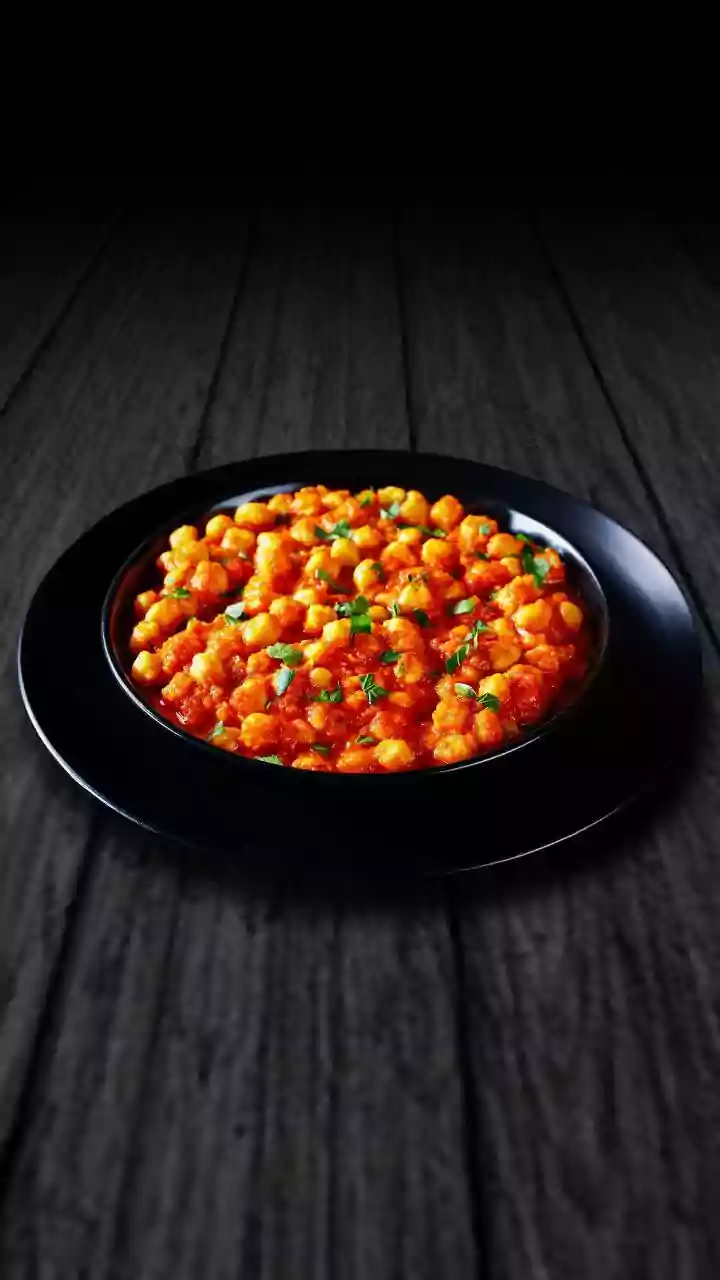
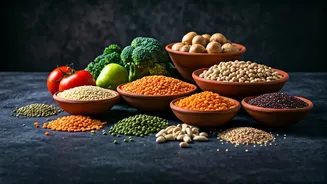
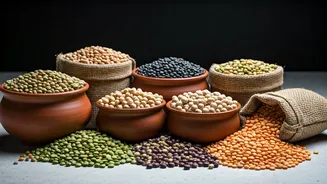
If you’ve ever eaten at an Indian restaurant, you’ve eaten pulses. This category, which includes lentils (dal), chickpeas (chana), and kidney beans (rajma), is the backbone of Indian vegetarian cuisine. For generations, these legumes have been the primary source of protein and fiber for millions. A simple bowl of dal, served with rice or roti, is a perfectly balanced meal. What makes them so compelling now is their alignment with modern dietary goals. They are incredibly high in soluble fiber, which helps manage cholesterol and blood sugar, and insoluble fiber, which keeps the digestive system running smoothly. Pulses are also cheap, sustainable, and incredibly versatile. From the creamy comfort of Dal Makhani to a zesty chickpea salad or a hearty Rajma Chawal, they offer a delicious way to pack more plant-based fiber into your diet without sacrificing flavor or satisfaction.
Beyond White Flour: Whole Wheat's Reign
The soft, fluffy naan bread you love is a treat, but the everyday bread of India is the humble roti (or chapati). The key difference is the flour. Roti is traditionally made from finely stone-ground whole wheat flour called “atta.” Unlike the refined all-purpose white flour common in the West, atta retains the bran and germ of the wheat kernel, which is where all the fiber, vitamins, and minerals are. Making the switch from white bread to whole wheat is a well-known health tip, and atta takes it a step further. Its fine texture creates a soft, pliable dough that’s perfect for making simple, unleavened flatbreads on a skillet at home. It’s a simple swap that fundamentally changes the nutritional profile of a meal, turning a simple carb into a complex, fiber-rich food that supports gut health and keeps you feeling full longer.
Vegetables as the Main Event
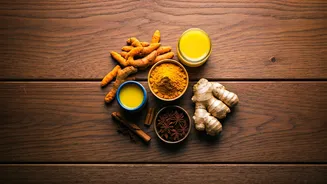
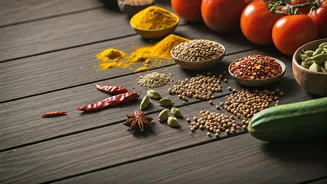
In many Western meals, vegetables are a side dish—an afterthought to the protein. In traditional Indian cooking, they often are the main event. And we’re not just talking potatoes. A whole universe of fiber-rich vegetables stars in regional cuisines. Think of okra (bhindi), sautéed with spices until it’s no longer slimy but crisp and flavorful. Consider the variety of gourds—bottle gourd (lauki), ridge gourd (torai)—cooked into gentle, fragrant stews. And don’t forget the greens, from spinach in Saag Paneer to fenugreek leaves (methi) stirred into lentil dishes. These vegetables are typically cooked with spices that not only add incredible flavor but also offer their own health benefits, turning a simple plate of veggies into a complex, satisfying, and fiber-dense meal.
Fermentation for a Happy Gut
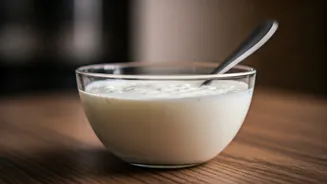
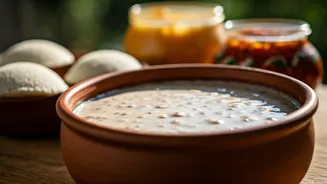
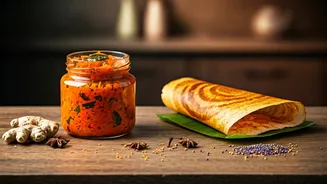
Long before kombucha became a billion-dollar industry, South Indian kitchens were mastering the art of fermentation for flavor and health. Dishes like idli (steamed rice cakes) and dosa (savory crepes) are made from a batter of rice and lentils that has been left to ferment overnight. This natural process does two wonderful things. First, it breaks down the starches and proteins, making the nutrients easier for your body to absorb. Second, it creates beneficial probiotics that contribute to a healthy gut microbiome. When you eat a fluffy idli or a crispy dosa, you’re not just getting the fiber from the lentils and rice; you’re also consuming a prebiotic and probiotic food that tastes incredible. It's ancient wisdom perfectly packaged for our modern obsession with gut health.