


It’s All About The Gut
The single biggest driver behind the fermentation frenzy is our collective obsession with gut health. For decades, bacteria were the enemy—something to be sanitized and eliminated. But a wave of scientific research has reframed that relationship, revealing
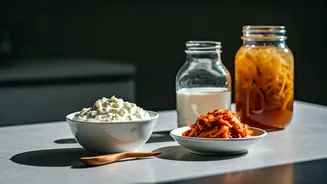
the importance of our gut microbiome: the trillions of microbes living in our digestive tract. Suddenly, “probiotics”—beneficial live bacteria—became a wellness buzzword. Fermented foods are natural, whole-food sources of these good bugs. While yogurt has been a familiar probiotic source for years, the new craze is a direct extension of that logic. Consumers seeking to improve digestion, boost immunity, and even enhance mental clarity are turning to kombucha, kefir, and kimchi as a delicious way to populate their gut with friendly flora. It’s a food-as-medicine approach that feels both proactive and natural.
Our Palates Got More Adventurous
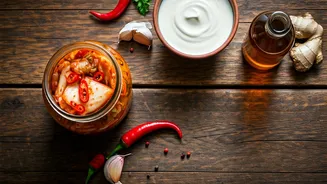
Let’s be honest: American palates of the past were not exactly known for embracing funky, sour, or umami-rich profiles. But thanks to globalization, travel, and chefs acting as culinary ambassadors, that has changed dramatically. Foods that were once found only in specialty ethnic markets are now mainstream. Kimchi, the spicy, pungent heart of Korean cuisine, is a prime example. Once relegated to Korean BBQ joints, it’s now a trendy topping for tacos, fries, and grain bowls. Similarly, miso, a fermented soybean paste from Japan, is used by chefs to add savory depth to everything from salad dressings to caramel sauce. This culinary curiosity has created a demand for more complex and interesting flavors, and fermentation delivers in spades. The tangy fizz of kombucha and the creamy tartness of kefir offer a welcome break from the monotony of sugary sodas and plain milk.
The Instagram and Influencer Effect
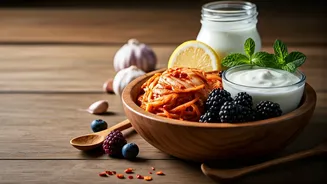
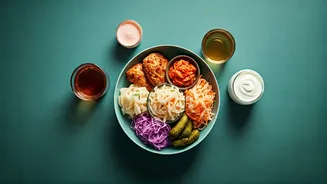
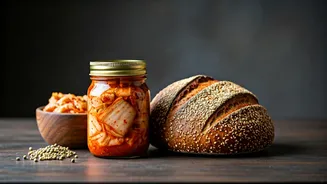
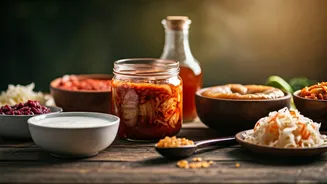
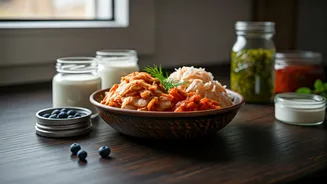
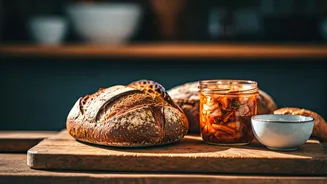
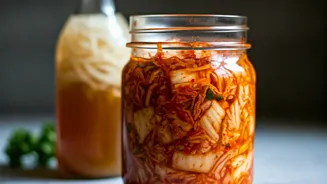
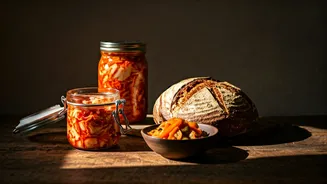
Never underestimate the power of a pretty picture. Fermented foods are incredibly photogenic. The vibrant reds of kimchi, the jewel-toned hues of beet-infused sauerkraut, and the bubbly, sunset-colored gradients of a craft-brewed kombucha are tailor-made for a social media feed. Wellness influencers and food bloggers were quick to jump on the trend, showcasing their colorful fermentation creations and extolling their health virtues. This created a powerful visual loop: people saw beautiful, healthy-looking foods online, got curious, and tried them. The DIY aspect also played a huge role. Making your own sourdough starter or kombucha SCOBY became a kind of wellness status symbol, a rustic, hands-on hobby that felt like an antidote to our overly processed, digital lives. When your favorite influencer is posting about their homemade water kefir, it makes the whole concept feel accessible and aspirational.
A Return to Ancient Wisdom
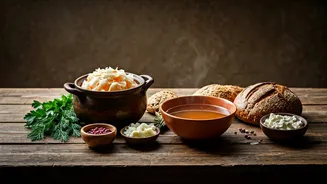
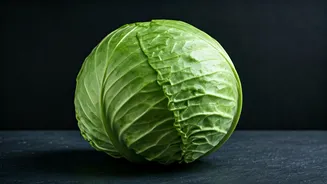
While the trend feels sudden, fermentation itself is an ancient preservation technique used by virtually every culture throughout history. Before refrigeration, fermenting vegetables, grains, and dairy was a matter of survival. This deep-rooted history gives the trend a sense of authenticity and timelessness that resonates with consumers tired of fads and processed foods. There’s a powerful narrative in rediscovering the “old ways” of eating. It connects us to a sense of tradition and self-sufficiency. In a world of complicated ingredient lists and questionable additives, the simplicity of a traditional sauerkraut (cabbage and salt) or kefir (milk and kefir grains) is deeply appealing. It’s not a lab-created superfood; it’s a time-tested staple that our ancestors understood intuitively. This blend of ancient wisdom and modern science is what gives the fermented food movement its staying power.