






Understanding the Monsoon Calendar
Before you can plan around the rain, you need to understand its rhythm. Unlike a simple 'rainy season,' the Andaman and Nicobar Islands experience two distinct monsoons. The main event is the southwest monsoon, which typically arrives in mid-May and lasts
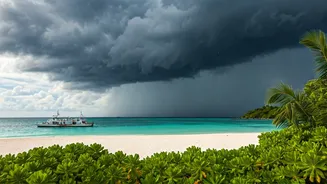
through September. This is the period of heaviest, most consistent rainfall, bringing strong winds and rough seas. Following a brief, often beautiful respite, the northeast monsoon rolls in around November, lasting through December. While generally less intense than its predecessor, it can still bring significant rain and disrupt travel. The peak tourist season, from January to early May, exists for a reason: it offers the calmest seas and sunniest skies. Traveling outside this window, especially from June to August, means you are intentionally planning your trip during the wettest, most unpredictable time of the year. This doesn't make a trip impossible, but it fundamentally changes its nature.
The Ferry Fiasco: Getting Around
The single biggest complication of monsoon travel in the Andamans is transportation. The archipelago is a scattered chain of islands, and your entire itinerary depends on ferries. During the peak season, fast, comfortable private catamarans like Makruzz and Green Ocean connect Port Blair to popular islands like Havelock (Swaraj Dweep) and Neil (Shaheed Dweep). Come the monsoon, this entire system becomes fragile. Private ferry companies often drastically reduce their schedules or suspend services altogether due to rough seas and a lack of passengers. This leaves travelers reliant on government-run ferries. While cheaper, these vessels are slower, less comfortable, and prioritize locals, meaning tourist tickets can be hard to secure. More importantly, all ferry services—private and public—are subject to cancellation at a moment's notice due to weather conditions. Being stranded on an island for an extra day or two is a very real possibility, which can throw off flight schedules and hotel bookings. If your itinerary involves multiple islands, the risk of disruption multiplies.
Activities Under a Cloud
For most visitors, the Andamans are synonymous with world-class water activities. Unfortunately, the monsoon puts a damper on almost all of them. Scuba diving and snorkeling, the region's main attractions, are often completely off the table. The reasons are simple: rough seas make boat journeys to dive sites unsafe, and runoff from the rain-soaked islands turns the normally crystal-clear water murky, reducing visibility to near zero. Many dive shops on Havelock and Neil Islands simply close down for the season. Glass-bottom boat rides and sea walking are similarly affected. Even beach time is compromised. While you might get lucky with a few hours of sunshine, many beaches can be windy and rain-lashed, and swimming can be dangerous due to strong currents. Iconic spots like Radhanagar Beach might still be beautiful, but you won’t be getting the postcard-perfect sunbathing experience.
The Silver Lining Playbook
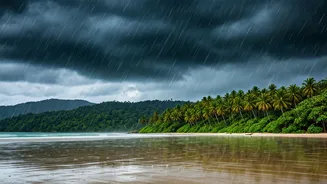
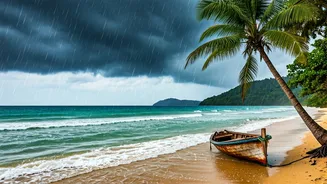
So, is it all bad news? Not necessarily. If you adjust your expectations, monsoon travel has its own unique charm and tangible benefits. The most obvious is the cost. With tourism at a low, flights and high-end hotels offer deep discounts, making a luxury stay far more affordable. The islands are also blissfully empty. You’ll escape the crowds that throng the beaches and restaurants during peak season, offering a sense of serenity and seclusion that’s hard to find otherwise. The landscape itself transforms. The rain saturates the islands' lush forests, turning them a vibrant, electric green. The sky becomes a dramatic canvas of shifting grey clouds, and the sound of the rain can be incredibly relaxing. For photographers, writers, or anyone simply looking to disconnect and unwind in a beautiful, moody setting, the monsoon can be the perfect backdrop.
A Realistic Monsoon Itinerary
If you decide to brave the rains, a successful trip hinges on a smart, flexible plan. First, base yourself in Port Blair. It's the largest settlement with the most reliable infrastructure and the most all-weather attractions. You can explore the historic Cellular Jail, a poignant reminder of India's freedom struggle, and visit museums like the Samudrika Naval Marine Museum and the Anthropological Museum. Instead of planning multi-day stays on other islands, consider day trips only when the weather and ferry schedules permit. Be prepared to scrap those plans entirely. Embrace the local culture: explore the Aberdeen Bazaar, try different cuisines, and spend time in cozy cafes. Think of your trip less as an island-hopping adventure and more as a relaxing retreat. Pack a good book, a waterproof jacket, and a willingness to go with the flow.