



The Restaurant Food Misconception
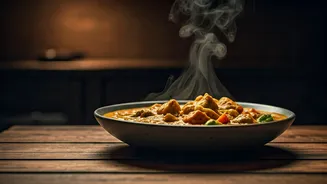
Let’s clear something up: the food you get at most American Indian restaurants is not what people in South Asia eat every day. Restaurant cooking is designed for celebration. It’s richer, creamier, and often sweeter to create a luxurious, memorable experience.
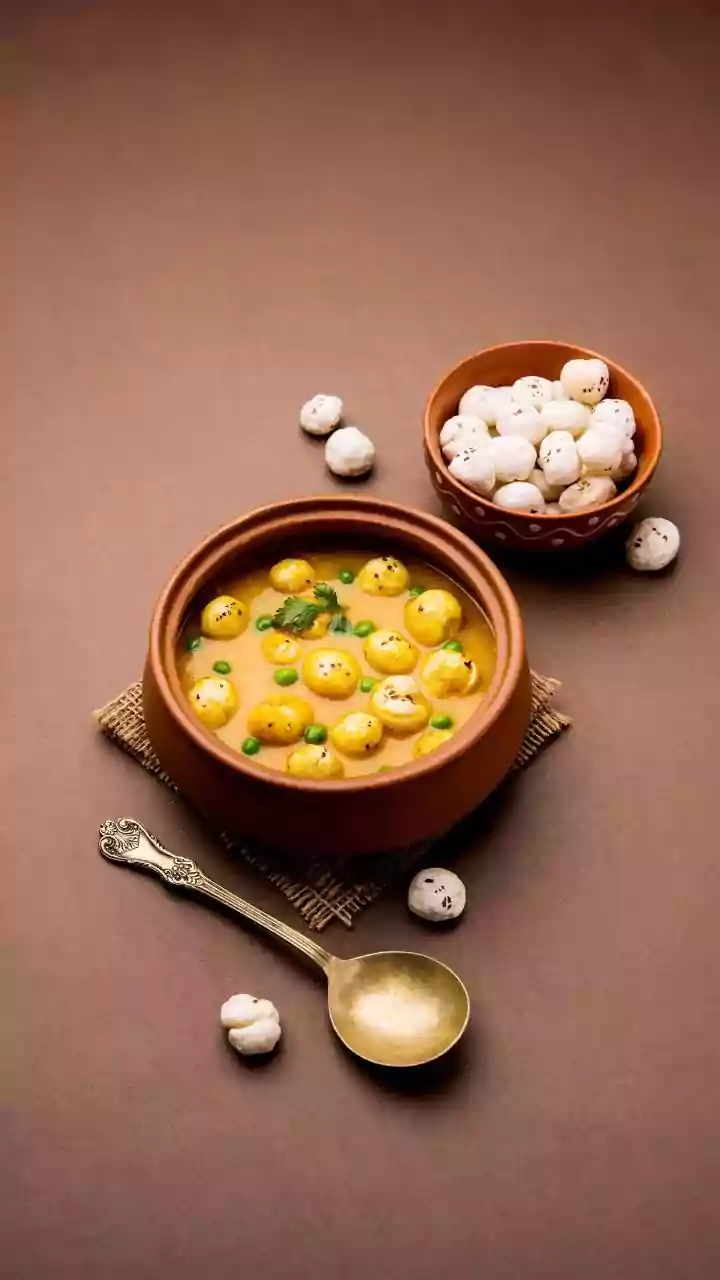
Dishes like Chicken Tikka Masala or Malai Kofta are loaded with butter, cream (malai), and oil to create their signature velvety textures. They are the equivalent of a steakhouse dinner—a fantastic treat, but not daily fare. This style of cooking, largely derived from North Indian Mughlai traditions, became the global ambassador for “Indian food.” It’s undeniably delicious, but it created a powerful myth that all Desi cuisine is heavy. The reality is that home cooking, the true soul of the cuisine, is a different world entirely. It’s built on principles of balance, nourishment, and seasonal ingredients.
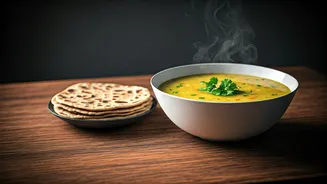
The Everyday Hero: Dal
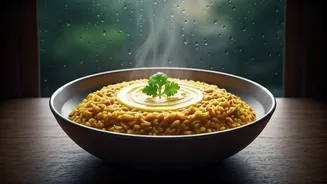
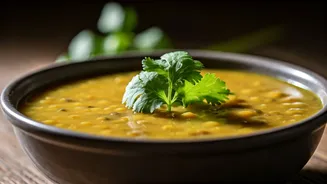
If there’s one dish that defines daily home cooking across the Indian subcontinent, it’s dal. Dal is a simple, soupy stew made from lentils or legumes. It’s the cornerstone of millions of meals, providing essential protein that balances a vegetarian-centric diet. There are countless varieties, from the thin and soupy Masoor Dal (red lentils) to the heartier Chana Dal (split chickpeas). What makes dal so light and comforting? It’s primarily water, lentils, and a few spices. The magic comes from the tarka (or tadka), a final flourish where spices like cumin seeds, mustard seeds, and garlic are bloomed in a small amount of hot ghee or oil and poured over the top. This technique infuses the entire dish with incredible flavor without adding significant fat or calories. Served with a side of plain rice or a simple roti, a bowl of dal is nourishing, easy to digest, and profoundly satisfying.
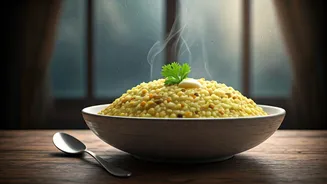
The Ultimate Comfort Bowl: Khichdi
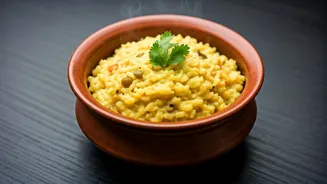
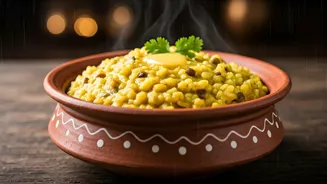
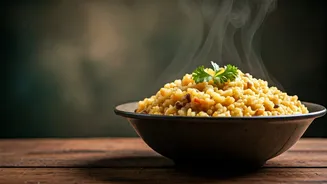
Khichdi is the culinary equivalent of a warm hug. It is, arguably, the most beloved comfort food in South Asia. In its most basic form, it’s a simple, porridge-like mixture of rice and lentils (often moong dal) cooked together in one pot until soft and creamy. It’s what parents make for sick children, what people eat when they’re feeling under the weather, and what everyone craves on a rainy day. While simple, khichdi is a complete protein and incredibly easy on the digestive system. It can be made with just salt, turmeric, and a dollop of ghee, or it can be elevated with vegetables and more complex spices. Its gentle, savory flavor and soft texture make it the perfect reset button for your palate and your stomach. It’s the antithesis of heavy, complicated food, proving that comfort can come from simplicity.
Simply Delicious: The Humble Sabzi
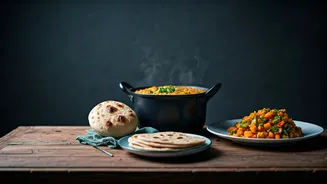
Forget the creamy, heavy sauces. The most common way to eat vegetables in a Desi household is in the form of a sabzi. A sabzi is simply a vegetable dish, usually cooked quickly with minimal oil and a handful of spices. It can be a “dry” preparation, like a stir-fry, or have a light, water-based gravy. The focus is on the vegetable itself—be it potatoes and cauliflower (Aloo Gobi), okra (Bhindi Masala), or spinach (Palak). The spices, like turmeric, cumin, and coriander, are there to enhance the vegetable’s natural flavor, not mask it. These dishes come together in minutes and are packed with nutrients and fiber. A typical home-cooked meal might feature a sabzi, a small bowl of dal, and a roti, creating a perfectly balanced, light, and fulfilling plate.
Lighter Grains and Breakfasts
The perception of heaviness also extends to the breads. While fluffy, buttery naan is a restaurant favorite, the everyday bread of choice is the roti or chapati. Made from just whole wheat flour and water, these unleavened flatbreads are cooked on a dry skillet. They are light, rustic, and the perfect vehicle for scooping up dal and sabzi. Even breakfast can be a light affair. Poha, a popular dish in Western India, is made from flattened rice flakes that are quickly steamed with onions, potatoes, and spices—it’s savory, gluten-free, and incredibly light. In the South, idli are steamed, fluffy cakes made from a fermented rice and lentil batter. Served with a thin lentil stew (sambar) and coconut chutney, they provide a gentle and energizing start to the day.