
Goodbye to the Old Binary
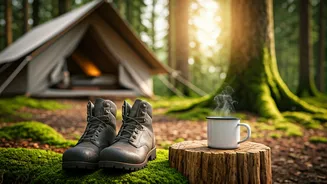
The classic American vacation once presented a stark choice for nature lovers. You could go rustic—truly rustic—with sleeping bags, unpredictable weather, and a distinct lack of plumbing. Or you could opt for comfort at a large-scale national park lodge
or resort, sharing your slice of nature with hundreds of other people, buffet lines, and chlorinated pools. There wasn't much in between. If you wanted an immersive natural experience without sacrificing thread count and a well-made cocktail, your options were limited and often astronomically expensive. That old binary is collapsing. A new movement in hospitality is proving that you can have both deep wilderness immersion and high-touch, design-forward comfort. Enter the boutique nature lodge, the travel industry’s answer to a generation that values experiences over things, and sustainability as much as style.
What Makes a Lodge 'Boutique'?
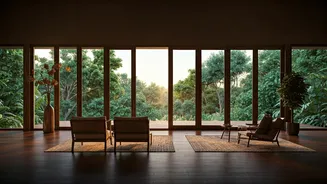
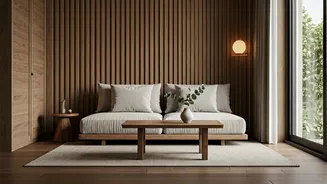
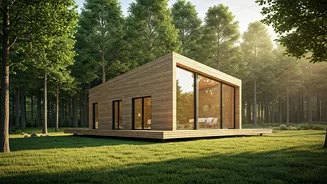
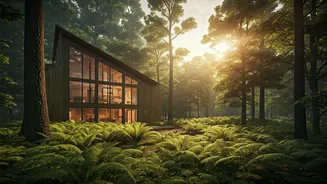
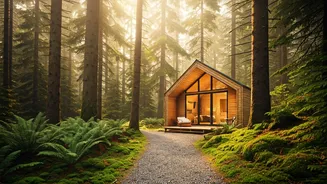
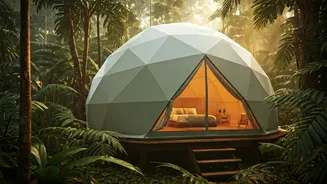
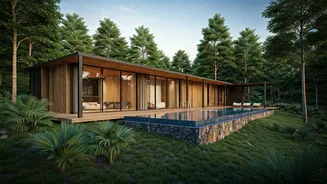
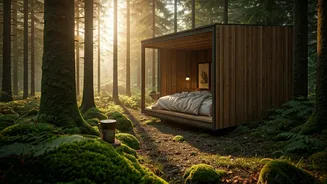
This isn’t just a fancy cabin in the woods. The boutique lodge is a specific ethos. First, scale is key. These properties are intentionally small, often featuring anywhere from five to fifty rooms, cabins, or luxury tents. This intimacy fosters a sense of quiet and exclusivity, a far cry from the bustling lobbies of mega-resorts. Think of Utah’s Amangiri, with its minimalist suites blending into the desert rock, or The Post Ranch Inn, perched on the cliffs of Big Sur. Second, design is paramount. Instead of generic hotel decor, these lodges feature architecture and interiors that are deeply connected to their location. They use local materials, commission work from area artisans, and design structures that frame the natural landscape rather than competing with it. The goal is for the building to feel like an extension of the environment, whether it's an A-frame cabin nestled in the Catskills or a glass-walled suite in the Montana wilderness. These are spaces designed to be photographed, shared, and remembered.
The Post-Pandemic Accelerator
While this trend was budding before 2020, the pandemic poured gasoline on the fire. Suddenly, the desire for wide-open spaces, privacy, and domestic travel became an urgent, mainstream priority. City dwellers, tired of being cooped up, sought escapes that offered fresh air without the risks of crowded hotels or airports. The boutique lodge model—with its standalone cabins, private entrances, and emphasis on outdoor activities—was perfectly positioned to meet this demand. Companies like AutoCamp, with its fleet of stylish, custom Airstreams, and Getaway, with its minimalist tiny cabins outside major cities, saw explosive growth. They offered a turnkey solution for a beautiful, isolated nature experience. This created a new baseline expectation for travelers: a getaway could be both easy and deeply restorative, providing a sense of solitude without the logistical headaches of traditional camping.
Sustainability Meets Style
Crucially, this new era of nature travel is intertwined with modern notions of sustainability. Today’s discerning traveler isn't just looking for a pretty view; they’re increasingly aware of their environmental footprint. The best boutique lodges are integrating eco-consciousness into their very fabric, but without the crunchy, granola aesthetic of the past. This is sustainability as a luxury feature. It means chef-driven restaurants centered on hyper-local, farm-to-table ingredients. It means sophisticated water reclamation systems, solar-powered energy, and construction using sustainable or reclaimed materials. These properties operate on the principle that true luxury is not about excess, but about thoughtful, responsible design that enhances its surroundings. They allow guests to feel good about their indulgence, offering a five-star experience that is, at its core, deeply respectful of the nature it celebrates.