

The Grain That Got a Glow-Up
In the world of food trends, most flames burn bright and fast. One season's star ingredient is the next season's forgotten relic. But in India, the culinary obsession with millets is proving to have serious staying power. What started as a government-backed,
UN-endorsed campaign for the “International Year of Millets” in 2023 has blossomed into a full-blown creative movement. Top chefs from Mumbai to Delhi aren't just ticking a box; they're genuinely inspired. They're digging into the country's agricultural heritage to rediscover a family of grains that are not only versatile and delicious but also happen to be incredibly good for you and the planet. This “fever” isn’t a sickness; it’s a renaissance, turning what was once considered rustic “peasant food” into a canvas for modern gastronomy.
A Crash Course in Millets
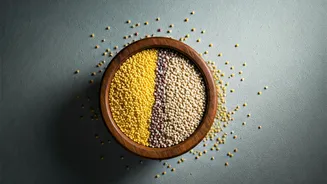
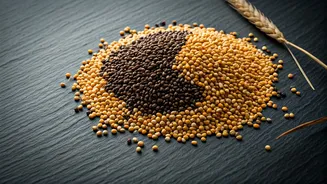
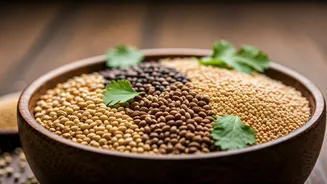
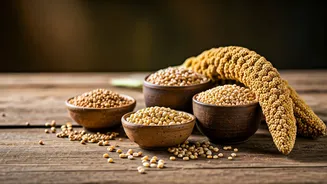
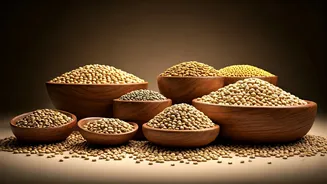
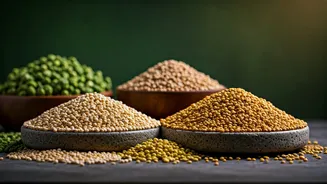
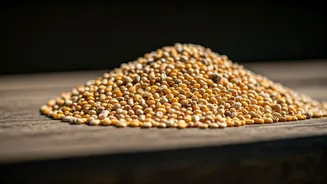
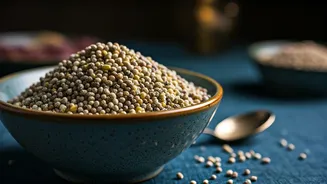
So, what exactly are we talking about? For many Americans, the word “millet” might conjure images of birdseed. It’s time for a major rebrand. Millets are a group of small-seeded grasses that have been cultivated for thousands of years in Asia and Africa. They are not a single thing, but a diverse family, much like the category of “berries.” Think of them as ancient grains, similar to quinoa or farro. The main players you'll see on Indian menus include *jowar* (sorghum), a hearty grain often used for flatbreads; *bajra* (pearl millet), which has a nutty flavor; and *ragi* (finger millet), a deep reddish grain prized for its high calcium content. There are also smaller varieties like foxtail millet, little millet, and barnyard millet, each with a unique texture and taste profile. They are all gluten-free and pack a nutritional punch far greater than polished white rice or refined wheat.
From Humble Staple to Haute Cuisine
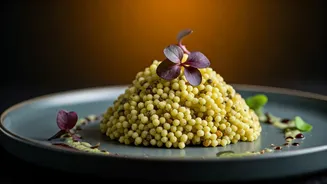
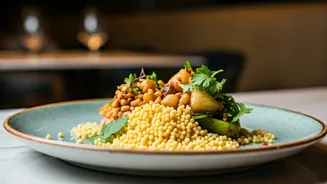
This is where the story gets really delicious. Indian chefs are moving millets far beyond their traditional roles in porridge and flatbreads. At high-end restaurants, you’ll find foxtail millet being used like couscous in vibrant salads or cooked creamy like a risotto. Chefs are using puffed sorghum as a crunchy, gluten-free topping for soups and desserts. We’re seeing millet crepes, millet crackers served with artisanal cheese, and even millet-based burger buns. For example, a restaurant might feature a dish like a *bajra* and corn chowder, giving a classic American soup a distinctly Indian, nutrient-dense twist. Another might serve a delicate fish on a bed of lemon-and-herb-infused little millet. By swapping in these grains, chefs are not only adding novel textures and earthy flavors to their dishes but also telling a story about India's rich agricultural biodiversity.
The 'Why' Behind the Wheat Alternative
The millet movement is fueled by more than just culinary curiosity. There are three powerful drivers behind its success. First, health. As consumers everywhere become more mindful of what they eat, millets check all the boxes: they are high in fiber, protein, and essential minerals, and they have a low glycemic index, making them great for managing blood sugar. Second, sustainability. Millets are often called “miracle grains” for their resilience. They are drought-resistant, require far less water than rice and wheat, and can grow in poor soil without heavy chemical inputs. For a country facing climate change and water scarcity, this is a huge win for food security. Finally, there's the cultural pride aspect. The push for millets is part of a larger trend of celebrating indigenous ingredients and traditional food systems, moving away from a reliance on just a few globally dominant crops.