

First, What Are the Western Ghats?
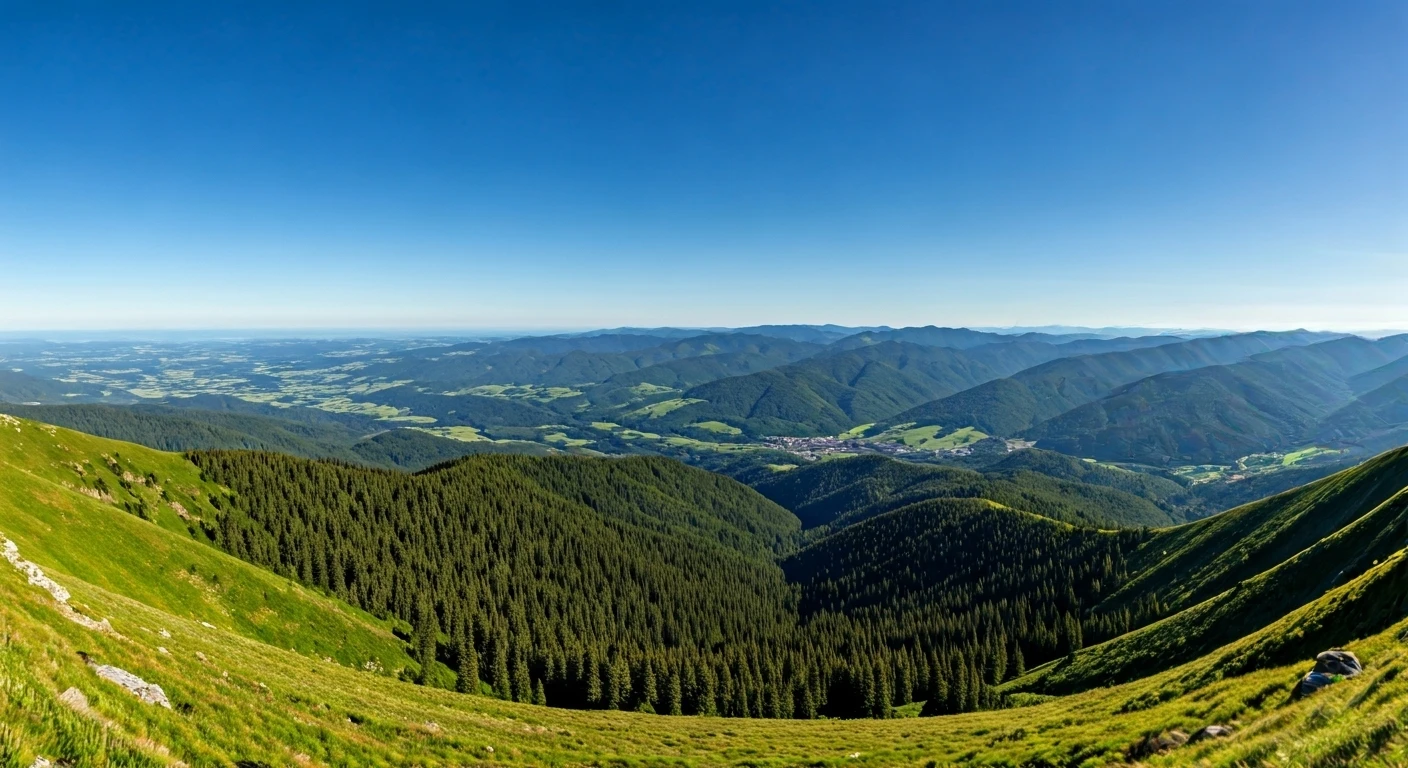
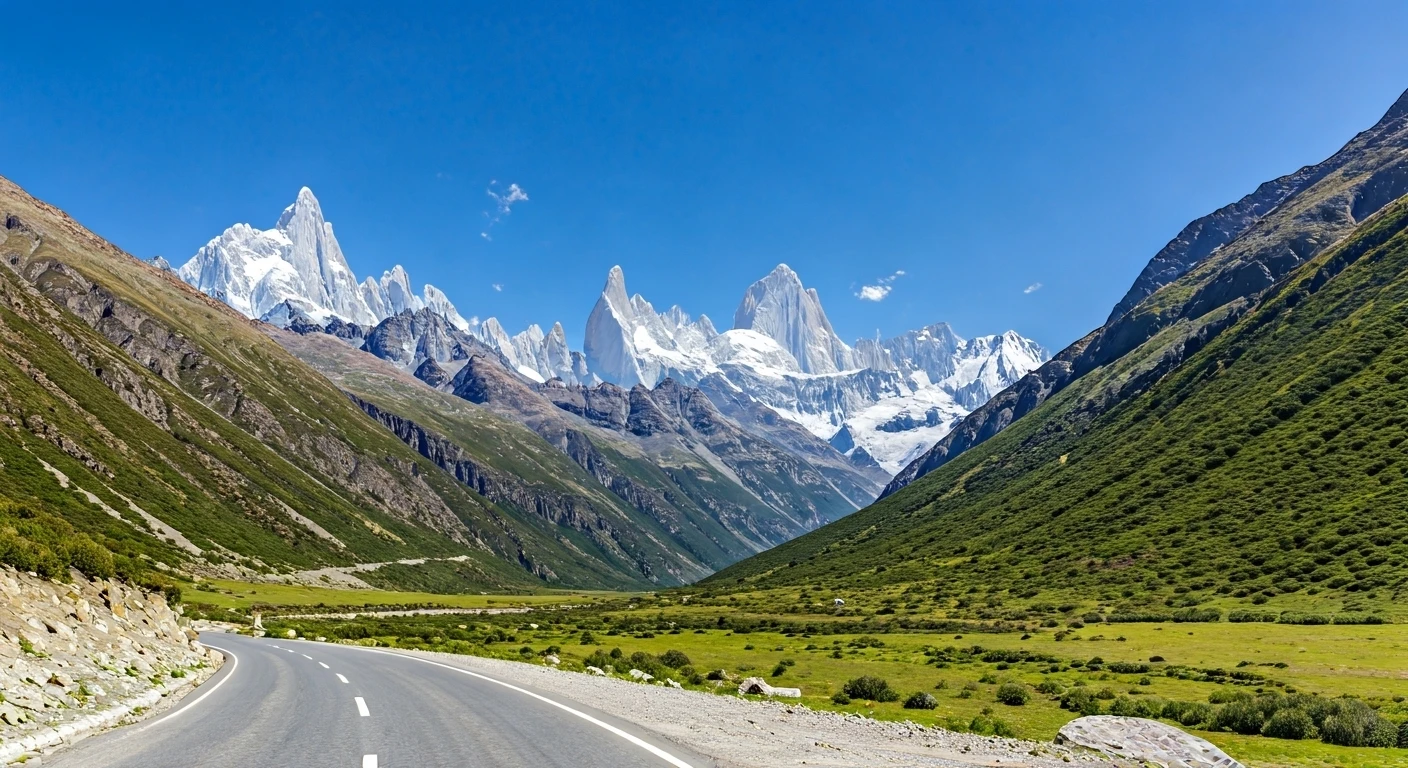
Before we dive into destinations, let's set the scene. Running parallel to India’s western coast for nearly a thousand miles, the Western Ghats are a chain of mountains older than the Himalayas. This UNESCO World Heritage site is one of the world's most
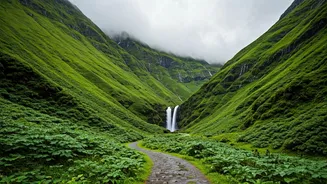
important biodiversity hotspots, teeming with unique flora and fauna. While beautiful year-round, the monsoon season (typically June to September) transforms the region from a dry, sun-baked landscape into a vibrant, super-saturated paradise. The rain isn't a nuisance to be avoided; it's the main event, nourishing the forests, filling the rivers, and creating a dramatic, almost mystical atmosphere that has to be seen to be believed.
Munnar, Kerala: Tea Gardens in the Mist
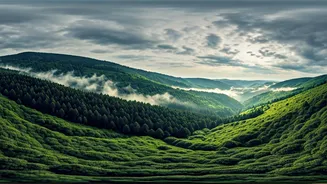
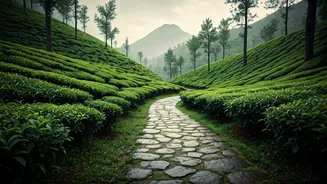
If you've ever seen a postcard of rolling green hills blanketed in a perfect layer of tea bushes, it was probably Munnar. During the monsoon, this iconic hill station in the state of Kerala becomes even more magical. The clouds descend to kiss the mountaintops, weaving through the valleys and creating an ethereal, moody landscape. The rain washes the tea leaves to a brilliant, glossy green, and waterfalls like Attukad and Lakkam suddenly thunder with newfound power. It’s the perfect place to curl up in a cozy resort with a cup of freshly brewed local tea, watching the rain paint the world outside your window. While some trekking trails may close for safety, scenic drives through the misty plantations are an unforgettable experience.
Coorg, Karnataka: The Scotland of India
Known for its coffee plantations, cool climate, and verdant hills, Coorg (or Kodagu) earns its nickname, “The Scotland of India.” When the monsoon arrives, the region’s beauty intensifies. The air becomes thick with the aroma of wet earth and blooming coffee blossoms. The main attractions here are the waterfalls. Abbey Falls, typically a gentle cascade, becomes a roaring spectacle, and Iruppu Falls is equally impressive. This is the time for a drive through the winding roads, stopping at viewpoints to watch the clouds drift over sprawling estates. Stay in a traditional homestay on a coffee plantation to fully immerse yourself in the local culture and wake up to the sound of rain drumming on the roof—a truly therapeutic experience.
Wayanad, Kerala: Ancient History and Wild Nature
For the traveler who wants a bit of adventure mixed with their scenery, Wayanad is the answer. This less-developed region of Kerala is a tapestry of rainforests, spice plantations, and ancient history. During the monsoon, the entire district feels like a single, massive rainforest. You can trek to the prehistoric Edakkal Caves (be sure to wear sturdy, non-slip shoes), whose interiors are protected from the rain, or visit the spectacular Meenmutty Falls, which requires a challenging but rewarding hike. The drive up the Thamarassery Ghat road, with its hairpin bends offering stunning, fog-shrouded views, is an adventure in itself. Wayanad offers a wilder, more untamed monsoon experience.
Mahabaleshwar, Maharashtra: Hill Station Charm
One of the most popular hill stations for residents of Mumbai and Pune, Mahabaleshwar offers a classic British Raj-era charm. Perched high in the Ghats, it becomes a haven of mist and greenery in the monsoon. Famous viewpoints like Arthur's Seat and Kate's Point offer breathtaking (if sometimes completely white-out) views of the valleys below. The rain replenishes the region's rivers and the scenic Lingmala Waterfall is in its full glory. It's also the heart of India's strawberry production, and while the main season is winter, the green fields are a lovely sight. Rent a boat on the placid Venna Lake on a day when the rain lets up, or simply enjoy the cool, crisp air from the comfort of a colonial-style hotel.