






The Road Is the Destination
Forget smooth highways. The journey to Kye Monastery (often spelled Ki or Key) is a rite of passage. Most travelers start from either Manali or Shimla, embarking on a multi-day drive that feels like a slow-motion rollercoaster on the edge of the world.
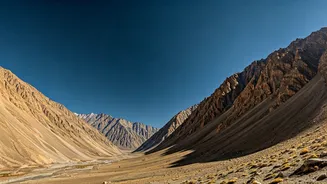
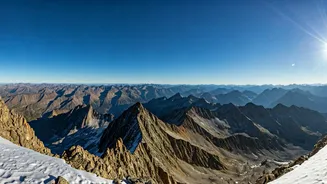
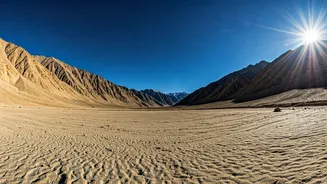
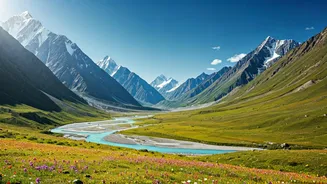
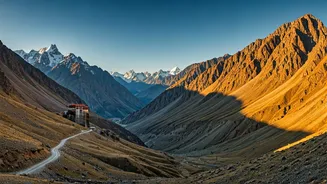
The roads are a brutal mix of pavement, gravel, and straight-up riverbeds. Landslides are not an “if” but a “when,” often leaving convoys of vehicles stranded for hours, a makeshift community forming at 12,000 feet. Every hairpin turn reveals a new vista of impossible scale: barren mountains painted in shades of ochre and violet, with the turquoise Spiti River carving its way through the valley floor thousands of feet below. This is the first act of the drama—a physical and mental test where the landscape itself is the main character, demanding your full attention and respect. You’re not just a tourist; you’re a minor player in an epic geological saga.
A Fortress in the Sky
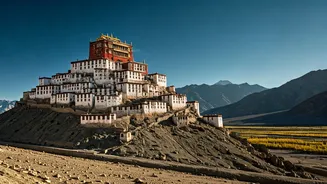
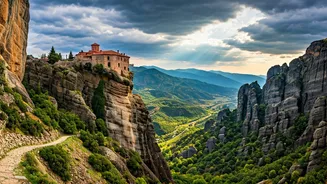
After hours of bone-jarring travel, you see it. Perched impossibly on a conical hill at over 13,600 feet, Kye Monastery doesn’t look like it was built. It looks like it grew out of the mountain itself. Resembling a fantastical fortress from a Tolkien novel, its white-washed walls and jumbled rooms cascade down the hillside in a chaotic yet harmonious stack. This isn't a single, grand building but a complex of rooms, prayer halls, and narrow passages that have been added over centuries, often in response to repeated attacks and invasions. Its very architecture tells a story of survival. The first glimpse is a genuine gasp-out-loud moment. Against the stark, empty backdrop of the Himalayas, this vibrant hub of life and faith feels like a miracle—a testament to human resilience in a place where survival is anything but guaranteed.
Breathing Thin Air, Finding Peace
The external drama of the journey gives way to an internal one upon arrival. The air is thin here, and every step can feel like a monumental effort. Altitude sickness is a constant, low-grade threat, a headache-inducing reminder of your physical vulnerability. Yet, stepping inside the monastery walls is like entering another dimension. The chaos of the road melts away. Young monks, some just small children with impossibly bright smiles, scurry through ancient courtyards. The air hums with the low murmur of chanting and the scent of burning juniper incense and butter lamps. You can sit in a centuries-old prayer hall, surrounded by vibrant murals depicting Buddhist deities, and feel a profound sense of calm descend. The real drama here is the contrast: the struggle of your body to simply exist at this altitude versus the deep, soul-settling peace of the monastery’s spiritual atmosphere.
More Than Just a Photo Op
Kye Monastery is the most photographed spot in Spiti Valley, but it’s far from a sterile museum. It is a living, breathing center of Tibetan Buddhist learning, home to hundreds of lamas. Visitors are often invited to share a cup of salty butter tea with the monks, a simple act of hospitality that bridges a vast cultural divide. The monks are the keepers of its history, a story marked by attacks from Mongols and other regional armies throughout the centuries. They’ve rebuilt it time and again. Seeing a young monk scrolling on a smartphone against a backdrop of ancient thangka paintings is a perfect snapshot of its reality: a place where a thousand years of tradition coexists with the 21st century. The experience forces you to reconsider what “remote” and “ancient” truly mean in a connected world.