





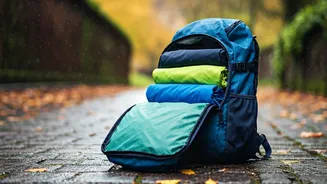
Humidity’s Worst Enemy: Cotton
Before we get to the solution, let’s talk about the problem. Your favorite, soft cotton t-shirt is a traveler’s worst nightmare in a humid climate. Cotton is hydrophilic, meaning it loves water. It absorbs moisture—both from rain and your own sweat—and
holds onto it tenaciously. The result? A heavy, clammy garment that clings to your skin, encourages chafing, and can take days to fully dry in the saturated air of a place like Thailand or India during the rainy season. Worse, that perpetually damp fabric becomes a perfect breeding ground for mildew and bacteria, leaving you with a funky-smelling suitcase and nothing clean to wear. In the battle against tropical humidity, cotton is guaranteed to lose.
The Simple Science of Quick-Dry
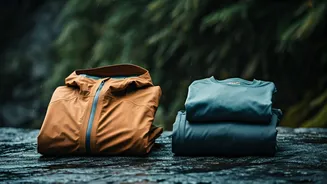
So, what makes “quick-dry” clothes different? It’s all about the material. Instead of cotton, these garments are typically made from synthetic fibers like polyester or nylon, or specially processed natural fibers like merino wool. These materials are hydrophobic—they repel water. When they get wet, the water doesn't soak into the core of the fibers. Instead, it sits on the surface, allowing it to evaporate much more rapidly. The fabric’s structure also often incorporates a wicking action, which pulls moisture away from your skin and spreads it across the outer layer of the garment, increasing the surface area for even faster drying. This means a shirt rinsed in a hotel sink can be dry and ready to wear by morning, even without direct sun.
Think Beyond the T-Shirt
A single quick-dry shirt is a good start, but a truly effective monsoon wardrobe is a head-to-toe system. The benefits of fast-drying, moisture-wicking material are just as crucial for your lower half and undergarments. Look for lightweight travel pants or convertible pants made from nylon blends. They’ll dry in a flash after a sudden downpour and won’t weigh you down. Most importantly, invest in quick-dry underwear and socks. A pair of merino wool or synthetic socks will keep your feet far drier and more comfortable than cotton, helping prevent blisters and fungal issues that can thrive in damp footwear. One pair of wet cotton socks can ruin a day of exploring.
The Anti-Odor Advantage
In a travel scenario where you’re packing light and laundry facilities are uncertain, re-wearing clothes is a necessity. This is where another feature of high-quality travel clothing comes in: antimicrobial properties. Many quick-dry garments are treated with silver ions or other agents that inhibit the growth of odor-causing bacteria. This means you can often wear a shirt, pants, or pair of socks for two or three days before they start to smell. This isn’t just about staying fresh; it means you can pack fewer items, freeing up valuable space and weight in your backpack or suitcase. It’s the difference between packing for three days and packing for a week.
How to Pack and Care for Your Gear
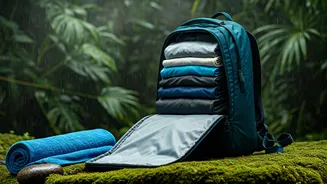
The beauty of a quick-dry wardrobe is its simplicity. You can get by with just a few key pieces: two or three shirts, one or two pairs of pants/shorts, and three or four pairs of socks and underwear. The system works because you can easily wash items in a sink at night and have them dry by morning. To speed up the process, after rinsing, lay the wet garment on a towel, roll the towel up tightly, and wring it out. This transfers a huge amount of moisture into the towel, leaving the clothing just lightly damp. Then, hang it in a spot with some air circulation—near a fan or air conditioner is ideal—and it will be ready to go in hours.