


The End of 'Either/Or' Eating
For decades, the food landscape was defined by a stark choice: delicious but “bad” or healthy but bland. You could have the greasy burger or the joyless kale salad. Gen Z, the digitally native cohort born between 1997 and 2012, is systematically dismantling
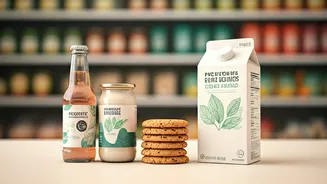
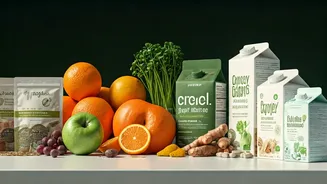
that binary. Their approach isn’t about subtraction—cutting carbs, fat, or calories—but about addition. What benefits can this food provide? The result is a booming market for what the industry calls “permissible indulgences.” Think of sodas like Olipop and Poppi, which offer the classic bubbly sweetness but are packed with prebiotics for gut health. Consider the explosion of high-protein ice creams like Halo Top or Ninja Creami creations that turn a simple protein shake into a decadent-tasting dessert. It’s the snackification of wellness, where every bite or sip is an opportunity to get a little something extra, whether it’s adaptogens for stress, collagen for skin, or fiber for digestion.
Fueled by a Visual #FoodTok World
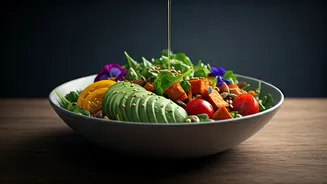
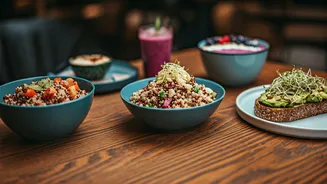
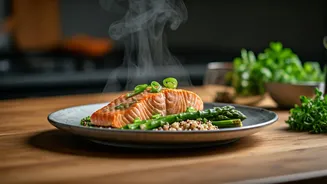
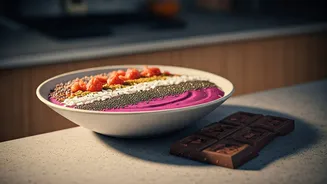
This trend isn't just happening in grocery store aisles; it’s being curated, co-created, and catapulted into the mainstream by social media. On TikTok, where #FoodTok has billions of views, aesthetics are everything. A meal has to look as good as it tastes and makes you feel. Viral trends often embody the indulgent-yet-nutritious ethos perfectly. Take the viral cottage cheese bowl: a humble, high-protein base becomes a canvas for colorful fruits, crunchy nuts, and a drizzle of honey, turning a dieter's staple into a visually appealing, satisfying meal. Or consider “nature’s cereal,” a simple bowl of berries and pomegranate seeds in coconut water that went viral for being as beautiful as it was refreshing. For Gen Z, who grew up documenting their lives online, the visual appeal of food is inseparable from its value. If it looks good on camera and offers a health halo, it’s a winner.
Beyond the 'Diet' Mentality
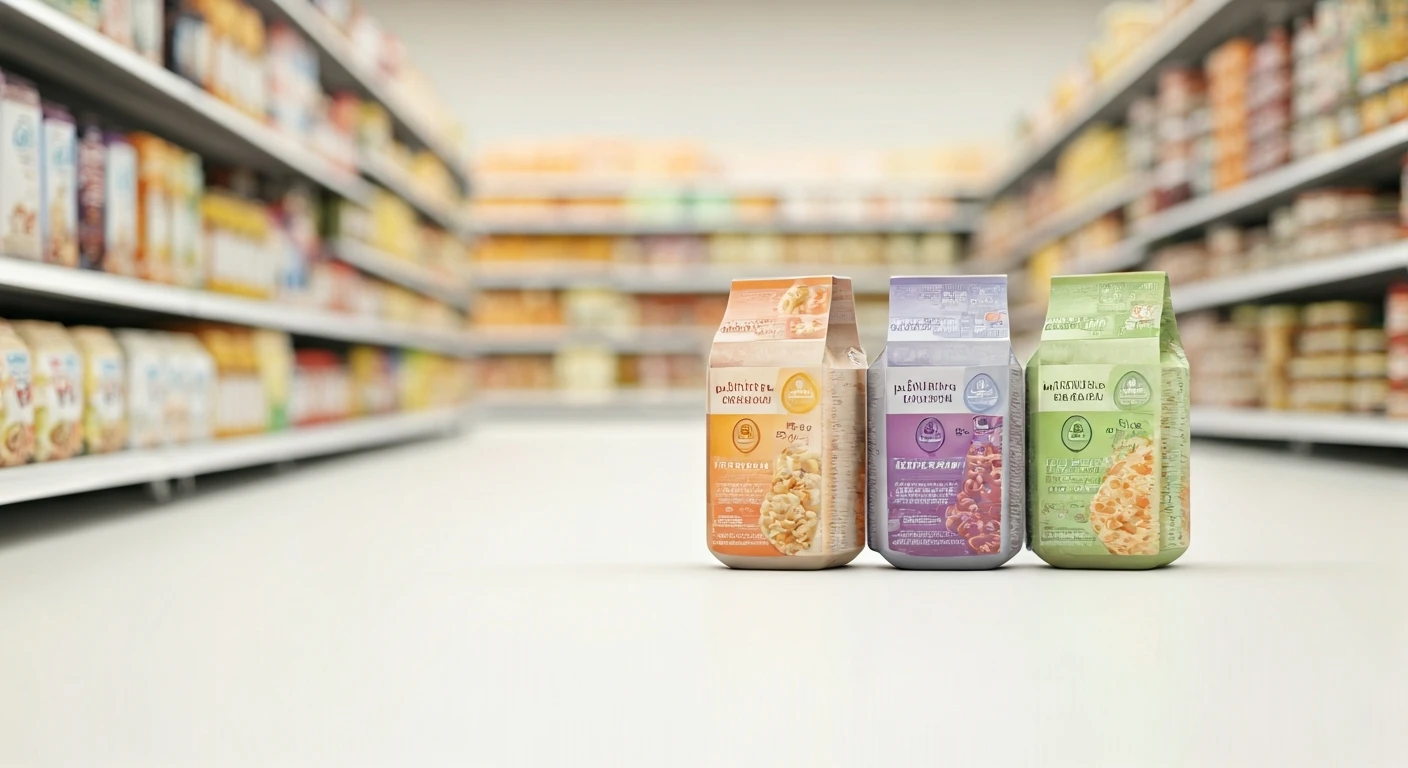
Millennials were the generation of diet culture, marked by obsessive calorie counting, restrictive eating plans, and an often-punishing relationship with food. Gen Z, having witnessed this, is largely rejecting the all-or-nothing approach. Their focus is less on weight loss and more on holistic wellness: mental health, gut health, energy levels, and skin clarity. They’re more interested in “clean labels” and understanding ingredients than they are in a low-fat sticker. This has led to the rise of “stealth health,” where nutritious elements are seamlessly integrated into comfort foods. Think pasta made from chickpeas, chips made from vegetable flour, or brownies packed with black beans and avocado. The goal isn't to trick themselves into eating vegetables; it's to upgrade their favorite foods so they can enjoy them without the baggage of guilt or deprivation. It’s a philosophy of abundance, not restriction.
A Demand for Honesty and Authenticity
This generation is famously skeptical of legacy corporations and slick marketing. They value transparency, sustainability, and authenticity. They want to know the story behind their food, who made it, and what the brand stands for. This has fueled the success of smaller, mission-driven brands that speak their language. These companies often use social media not just to sell, but to educate their audience about ingredients like ashwagandha or lion's mane mushroom. They foster community and build trust by being radically transparent about their sourcing and production. For Gen Z, a product isn't just a list of ingredients; it's an entire package of values. The indulgence comes from knowing they’re supporting a brand that aligns with their worldview, and the nutrition comes from the clean, functional ingredients they can actually understand.