



First, What Is a Monsoon Anyway?
For many Americans, the word “monsoon” conjures images of distant, tropical locales with months of unrelenting rain. And that’s partly right. A monsoon isn’t a single storm but a massive, seasonal shift in wind patterns that brings a dramatic change in precipitation.
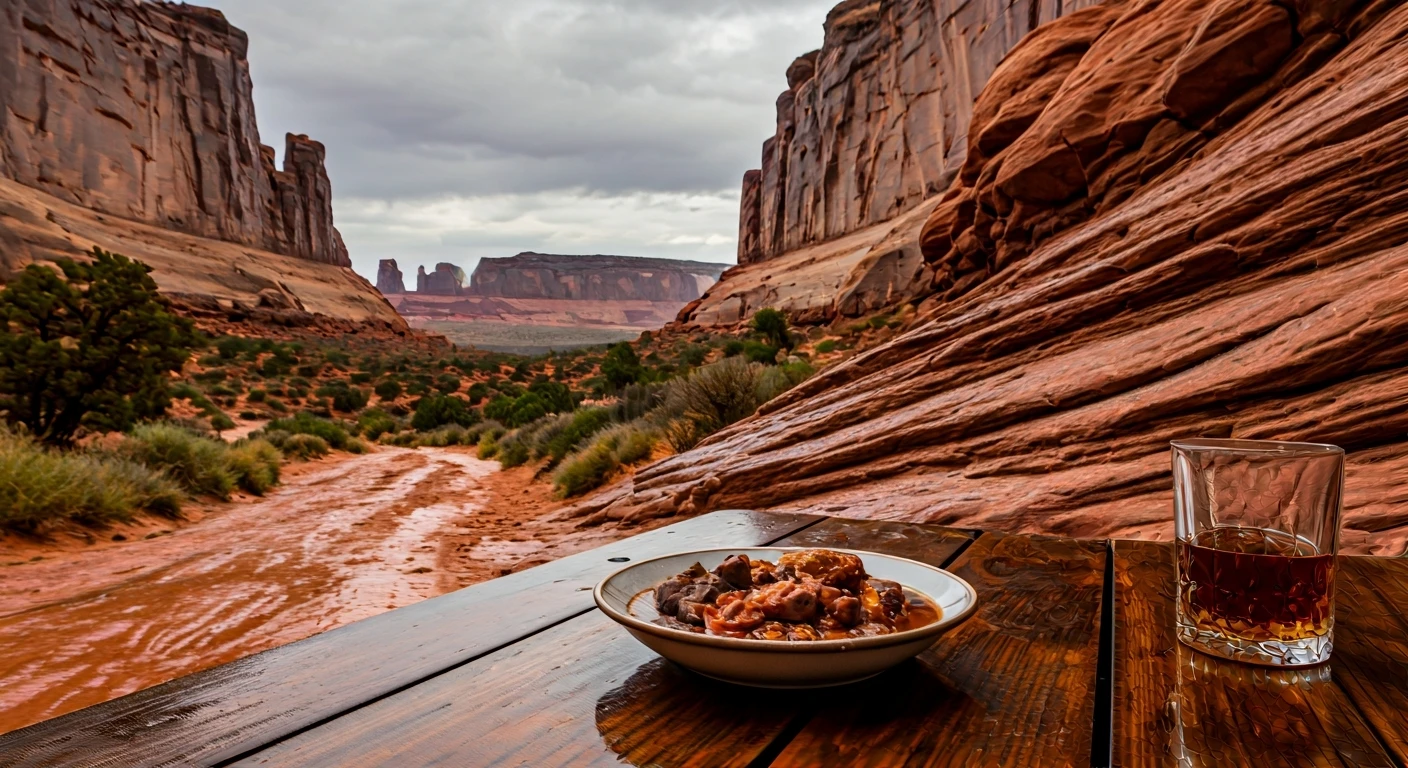
The U.S. even has its own version: the North American Monsoon, which delivers essential, often intense, summer rainfall to the Southwest. But for the rest of the country, “monsoon” has become a useful shorthand for something more familiar: that week of April showers that feels less like a shower and more like a biblical flood, or the stalled weather front in October that keeps everyone indoors under a perpetually gray sky. It’s not just rain; it’s a weather event that changes the texture of daily life. It’s weather you have to reckon with. And in that reckoning, there’s an opportunity.
The Comfort Food Instinct
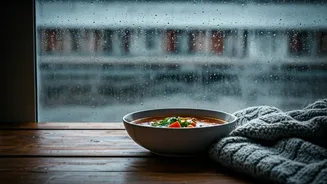
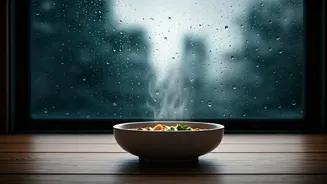
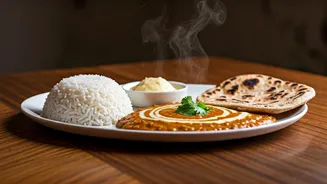
When the world outside is dark, cold, and wet, our bodies instinctively know what to do: seek warmth and energy. The craving for a hearty stew, a bubbling casserole, or a simple bowl of soup isn’t just a whim; it’s rooted in our psychology and physiology. Rainy, overcast days can lead to a dip in serotonin, the brain's feel-good chemical. Carb-rich comfort foods can help boost its production, providing a temporary mood lift. There’s also the simple physics of it. A warm meal literally raises our internal body temperature, creating a feeling of coziness that counteracts the damp chill seeping in from outside. Beyond science, there's the powerful pull of nostalgia. The smell of a pot roast simmering or bread baking in the oven often taps into deep-seated memories of being cared for, of safety and security. A warm meal is a primal signal to our brains that we are safe, sheltered, and provided for, even as the wind howls.
More Than Just Dinner, It’s a Flex
So, where does the “flex” come in? In modern slang, a flex is an act of showing off. But the *smart* flex is more subtle. It’s not about posting a hyper-stylized photo of your coq au vin (though, you do you). The real flex is the quiet competence it demonstrates. It’s the act of having the foresight to keep your pantry stocked with onions, garlic, canned tomatoes, and broth. It’s the decision to engage in an act of creation—chopping, stirring, simmering—rather than succumbing to the passive, expensive convenience of delivery apps. In a world where we can have almost anything brought to our door, choosing to cook a meal from scratch during a storm is a small act of rebellion. It’s a vote for self-sufficiency. It says, “The weather doesn’t control my comfort; I do.” It turns a period of gloomy inaction into an occasion for deliberate, sensory pleasure. The flex isn't the meal itself, but the mindset that produces it: prepared, resourceful, and centered.
The Anatomy of a Perfect Rain-Day Meal
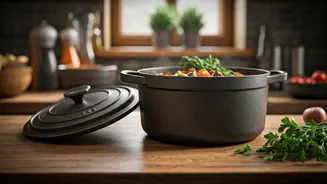
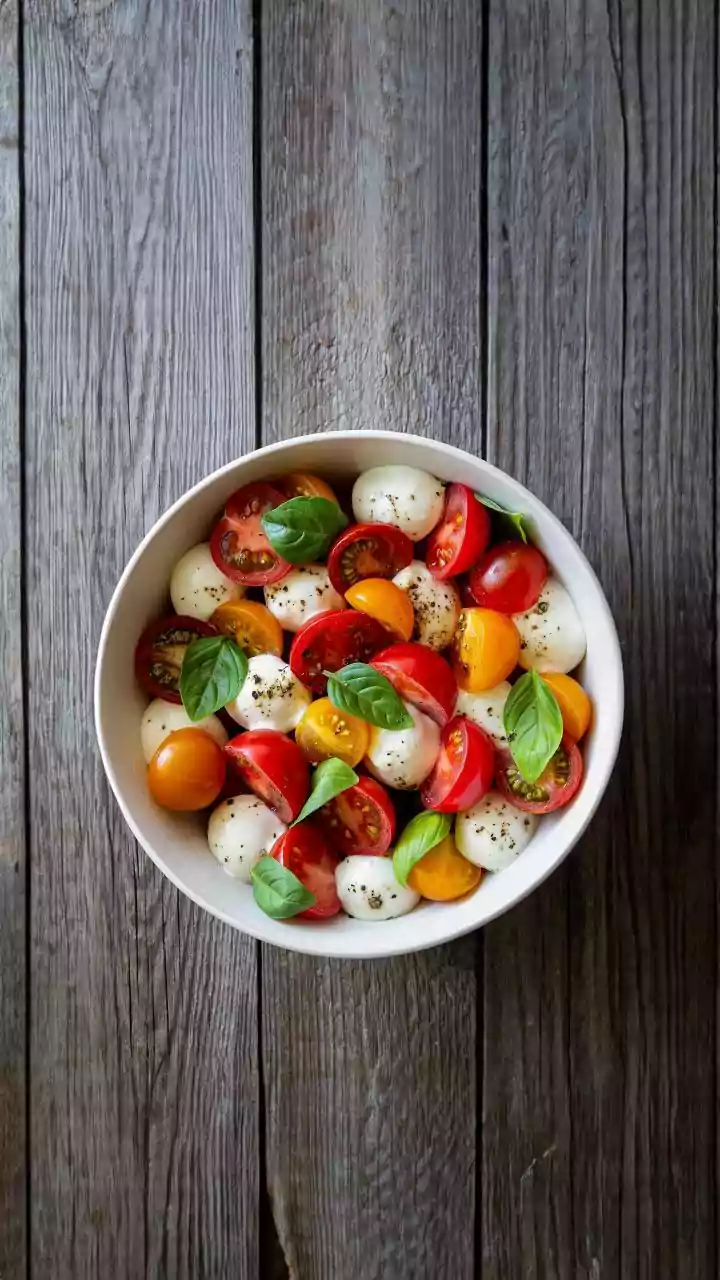
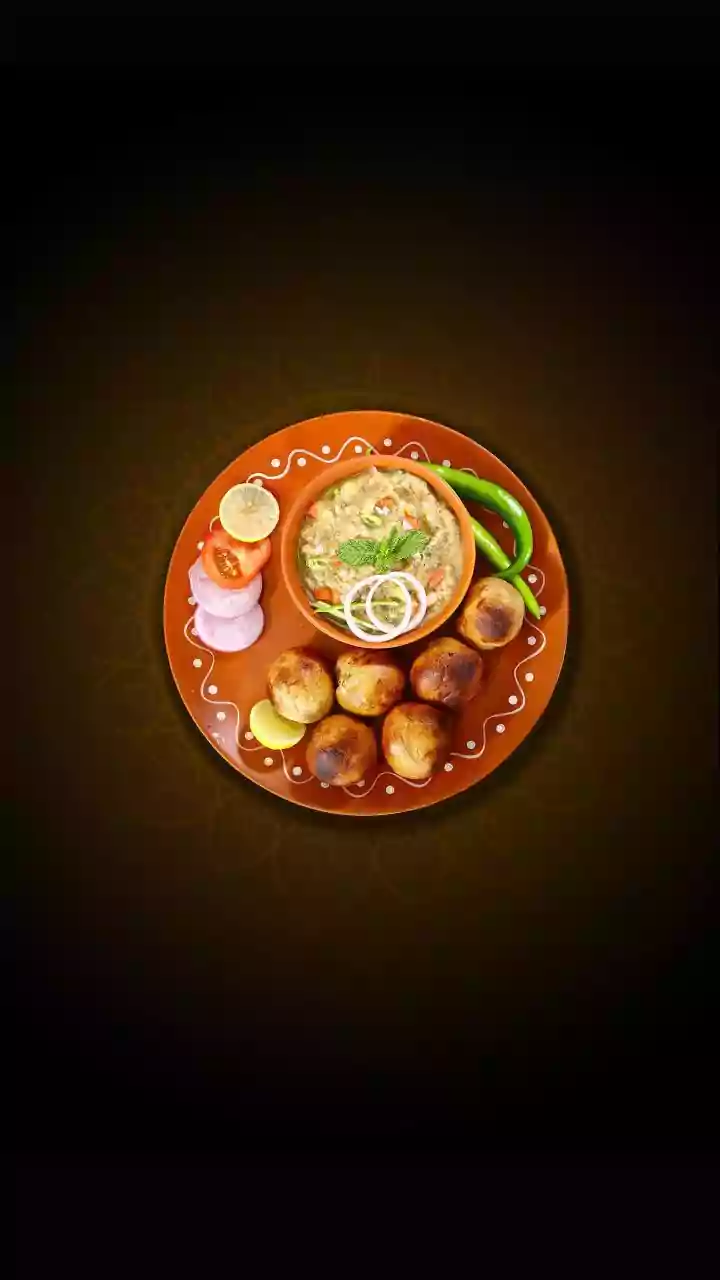
The ideal monsoon meal isn't about complex recipes. It’s about a feeling. It should be something that benefits from time—a quality you suddenly have in abundance when you’re stuck inside. Think of a chili or a beef stew that only gets better the longer it simmers on the stove, filling every room with a rich, savory aroma. Think of a braise, where a tough cut of meat becomes impossibly tender over hours in the oven, its heat a welcome addition to the kitchen’s climate. Baked goods are another pillar of the monsoon flex. A loaf of no-knead bread, a simple apple crisp, or a batch of chocolate chip cookies doesn’t just provide a treat; the act of baking itself is a ritual. It’s methodical, it’s transformative, and it makes the entire house smell like a sanctuary. These foods are projects, but low-stakes ones. They require presence, not perfection, and the payoff is a deep, soul-satisfying warmth that no delivery driver can provide.