


It's Not Reheating, It's Reinventing
The fundamental difference lies in a simple philosophy: you don’t just warm food up, you give it a new life. This isn't about dutifully eating a lesser version of last night’s dinner. It’s about transformation. At the heart of this is a cultural ethos
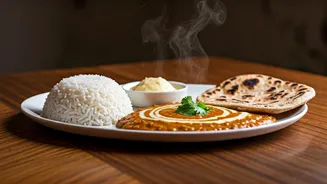
of resourcefulness and a deep-seated respect for food that means nothing goes to waste. A container of leftover dal (lentils) or a few dry chapatis (flatbreads) aren't seen as remnants, but as ingredients. This mindset shifts the entire dynamic from a chore to a creative challenge, where the goal is to create something so good you’d never guess its humble origins.
The All-Powerful Tadka
One of the most potent weapons in the Indian leftover arsenal is the tadka, or tempering. This simple technique involves blooming whole or ground spices like mustard seeds, cumin seeds, and dried red chilis in hot oil or ghee. The fragrant, sizzling mixture is then poured over a dish right before serving. A fresh tadka can instantly awaken a day-old dal, imbuing it with a burst of fresh aroma and crackling texture. It’s a five-minute flavor reset that makes leftovers taste like they were just made. The same principle applies to leftover sabzi (cooked vegetables) or rice, giving them an immediate upgrade that a microwave could never achieve.
Yesterday’s Rice, Today’s Star
Nowhere is the leftover magic more apparent than with rice. A container of plain, cold, day-old rice is the perfect canvas. The separated, firm grains are ideal for absorbing new flavors without getting mushy. A common and beloved transformation is phodnicha bhat (tempered rice), a Maharashtrian specialty where rice is stir-fried with onions, spices from a tadka, sometimes turmeric for color, and fresh cilantro. Another classic is lemon rice, where a tadka with mustard seeds, lentils, and peanuts is combined with turmeric and a generous squeeze of lemon juice, then tossed with the cold rice. It becomes a bright, tangy, and satisfying meal in its own right—a far cry from a clump of reheated grains.
The Humble Roti's Second Act
What about those few leftover rotis or chapatis that have gone a bit stiff? Tossing them would be sacrilege. Instead, they’re often torn or chopped into small pieces and turned into a savory, stir-fried dish called roti upma or phodnichi poli. The roti pieces are sautéed with onions, tomatoes, chilis, and spices, softening them and infusing them with flavor. The result is a comforting, carb-heavy breakfast or snack that feels entirely intentional. In some regions, leftover flatbreads are crumbled into a spicy vegetable or meat curry, absorbing the gravy and adding body, similar to the Southern Indian dish kothu parotta.
New Forms, New Flavors
The ingenuity extends beyond simple stir-fries. Leftover dal that’s too thick can be thinned into a soup, but more creatively, it’s often mixed with whole wheat flour to create a dough for dal parathas. These savory, stuffed flatbreads are pan-fried and served with yogurt or pickles, creating a complete and portable meal. A scoop of leftover aloo gobi (potato and cauliflower) or any dry vegetable dish becomes the perfect filling for a grilled sandwich, a wrap, or even a savory puff pastry. The original dish is merely a component, a flavorful base to be built upon, proving that in the right hands, leftovers aren’t just the end of one meal, but the exciting beginning of another.