



Out with the Baggy, In with the Blazer
For the past few years, the dominant Gen Z aesthetic felt like a direct-to-consumer fever dream. Fueled by TikTok, it was a fast-paced cycle of micro-trends: cottagecore one month, dopamine dressing the next, all underpinned by a deep reverence for the baggy,
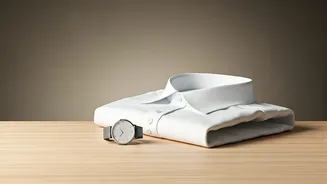
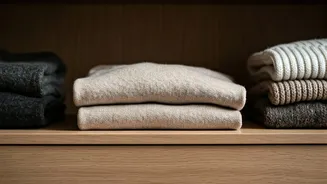
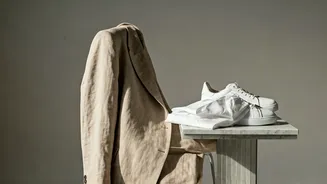
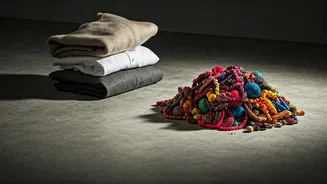
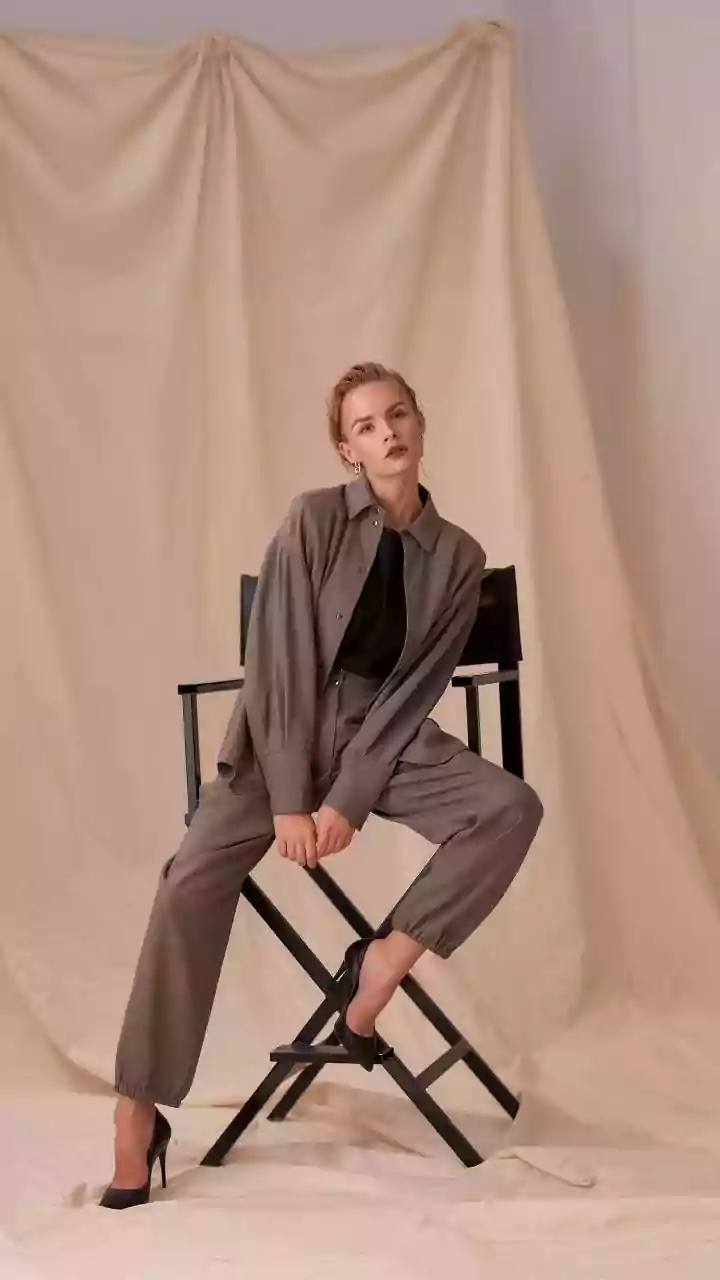
low-rise chaos of the early 2000s. It was fun, experimental, and relentlessly youthful. But trends, like people, grow up. Suddenly, the algorithm is serving a different look. The ultra-baggy cargo pants are being swapped for tailored, wide-leg trousers. The cropped baby tees are making way for high-quality knit sweaters and crisp button-downs. And everywhere you look, there’s a blazer—not the shrunken, formal kind, but an oversized yet structured piece that instantly confers a sense of intention.
The Anatomy of a 'Cleaner Fit'
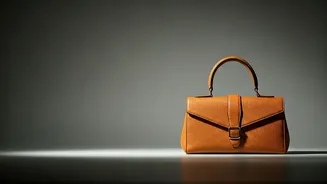
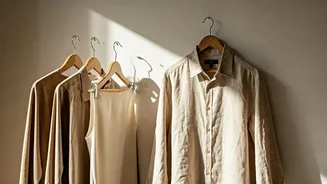
What defines this new chapter in Gen Z style? It’s less about specific brands and more about silhouette, texture, and fit. The key is structure. While comfort remains non-negotiable—these aren’t the restrictive, body-conscious looks of Millennial memory—the structure comes from tailoring. Think trousers that drape just right, blazers with defined shoulders that hold their shape, and trench coats that create a clean, long line. The color palette has also matured. The neons and clashing prints of dopamine dressing are receding, replaced by sophisticated neutrals: cream, camel, charcoal, navy, and black. It’s a look built on timeless, versatile pieces rather than fleeting, disposable trends. This shift is often dubbed “quiet luxury” or the “old money aesthetic” online, but at its core, it’s about investing in the architecture of a good outfit.
Dressing for the Job You Want (or the Economy You Have)
This stylistic evolution isn’t happening in a vacuum. For many in Gen Z, this is their first encounter with a shaky economy and a competitive job market as young adults. Dressing in a more “put-together” way can be a form of psychological armor, a way to project competence and stability in an unstable world. The look conveys seriousness without sacrificing style. It’s also a reaction against the burnout of the micro-trend cycle. The constant pressure to keep up with what’s new on TikTok is exhausting and expensive. Embracing classic, well-made pieces is more sustainable, both for the wallet and the planet. It signals a move away from dressing for the internet’s approval and toward building a personal uniform that feels authentic and lasting.
It's Not Your Parents' Professional Wear
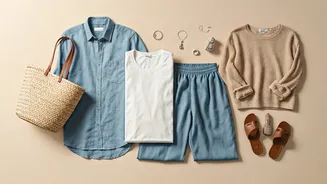
While the pieces may sound familiar—blazers, trousers, loafers—make no mistake: this is not a return to traditional, stuffy office attire. Gen Z’s take on “grown-up” style is filtered through their own distinct lens. The silhouettes are still relaxed and often gender-fluid. A sharp blazer might be paired with chunky sneakers and a baseball cap. Tailored trousers are worn with a simple white t-shirt, not a starched, collared shirt. There's an effortless cool to it, a sense of playing with the codes of adulthood rather than being constrained by them. It's less about conforming to a corporate dress code and more about cherry-picking the elements of classic style that feel powerful and relevant right now.